
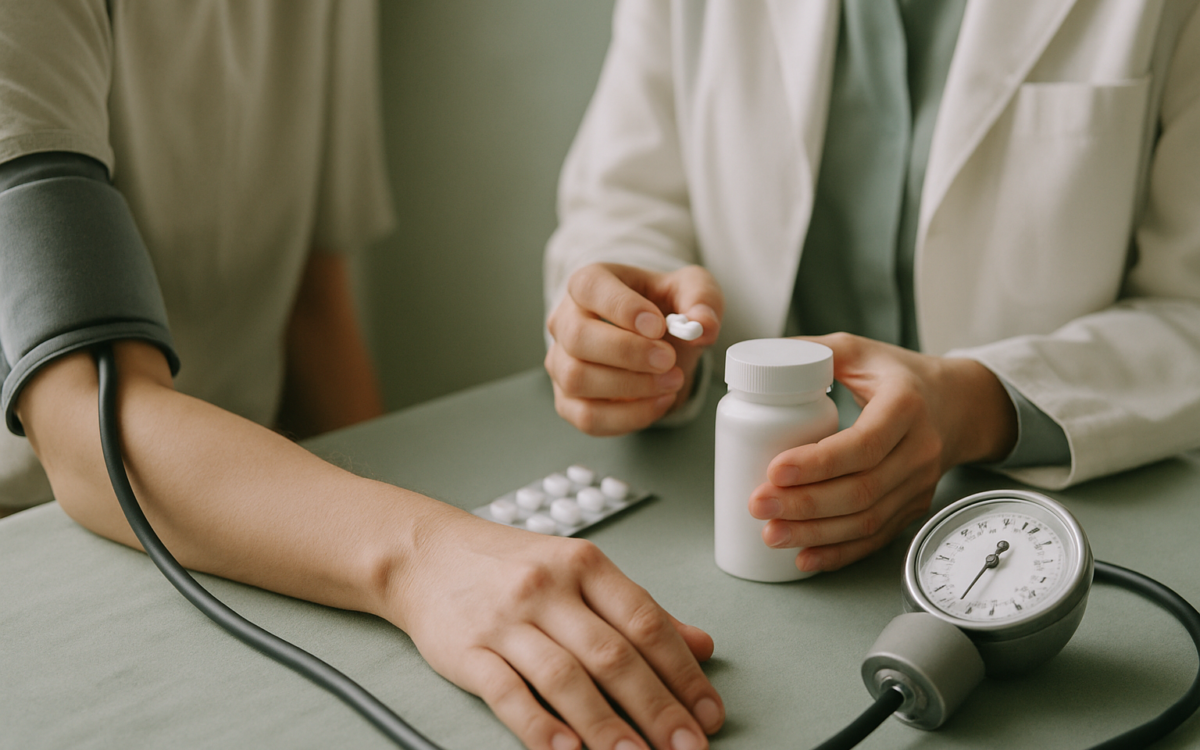
High blood pressure, also known as hypertension, affects millions of people worldwide. It often comes without obvious symptoms, making it crucial to manage effectively to avoid serious health risks such as heart disease and stroke. Understanding how to treat high blood pressure can empower you to make informed decisions about your health.
What is high blood pressure?
Blood pressure is the force of blood pressing against the walls of your blood vessels. It is measured in millimeters of mercury (mm Hg) and is recorded as two numbers: systolic (the top number) and diastolic (the bottom number). A normal reading is typically around 120/80 mm Hg. When these numbers are consistently at or above 130/80 mm Hg, you may be diagnosed with high blood pressure, according to the CDC.
Why is managing blood pressure important?
High blood pressure can lead to serious health issues if left untreated. It can damage your blood vessels and organs, increasing the risk of heart attack, stroke, kidney disease, and other complications. Therefore, taking steps to manage your blood pressure is vital for maintaining overall health and well-being.
Lifestyle Changes for a Healthier Blood Pressure
Many people can effectively lower their blood pressure through lifestyle changes. Here are some evidence-based strategies:
- Maintain a healthy weight: Being overweight can increase your risk of developing high blood pressure. Losing even a small amount of weight can help lower your numbers.
- Eat a balanced diet: Focus on a diet rich in fruits, vegetables, whole grains, lean proteins, and low-fat dairy. The DASH diet (Dietary Approaches to Stop Hypertension) is specifically designed to help reduce blood pressure.
- Reduce sodium intake: Limiting your salt intake can help reduce blood pressure. Aim for no more than 2,300 mg of sodium per day, and ideally reduce it to 1,500 mg for greater effect.
- Increase physical activity: Regular aerobic exercise, such as walking, cycling, or swimming, can help lower your blood pressure by keeping your heart and blood vessels healthy. Aim for at least 150 minutes of moderate-intensity exercise each week.
- Limit alcohol consumption: Drinking alcohol in moderation can help manage blood pressure. For most adults, moderate drinking means up to one drink per day for women and up to two drinks per day for men.
- Quit smoking: Smoking is a significant risk factor for high blood pressure and can cause damage to your heart and blood vessels. Quitting smoking can improve your overall health.
Stress Management Techniques
Chronic stress can contribute to high blood pressure. Learning to manage stress is essential for maintaining healthy blood pressure levels. Consider these techniques:
- Practice mindfulness and meditation: Meditation can help reduce stress by promoting relaxation. Try dedicating a few minutes each day to mindfulness practices.
- Engage in deep breathing exercises: Deep, slow breathing can calm your body and mind. It can be especially helpful in stressful situations.
- Adopt relaxation techniques: Activities like yoga, tai chi, or listening to music can aid in relaxation and reduce stress.
Medications for High Blood Pressure
In some cases, lifestyle changes alone may not be sufficient to control high blood pressure. If your doctor determines it is necessary, they may prescribe medication to help. There are several classes of blood pressure medications, including:
- Diuretics: Often called
