
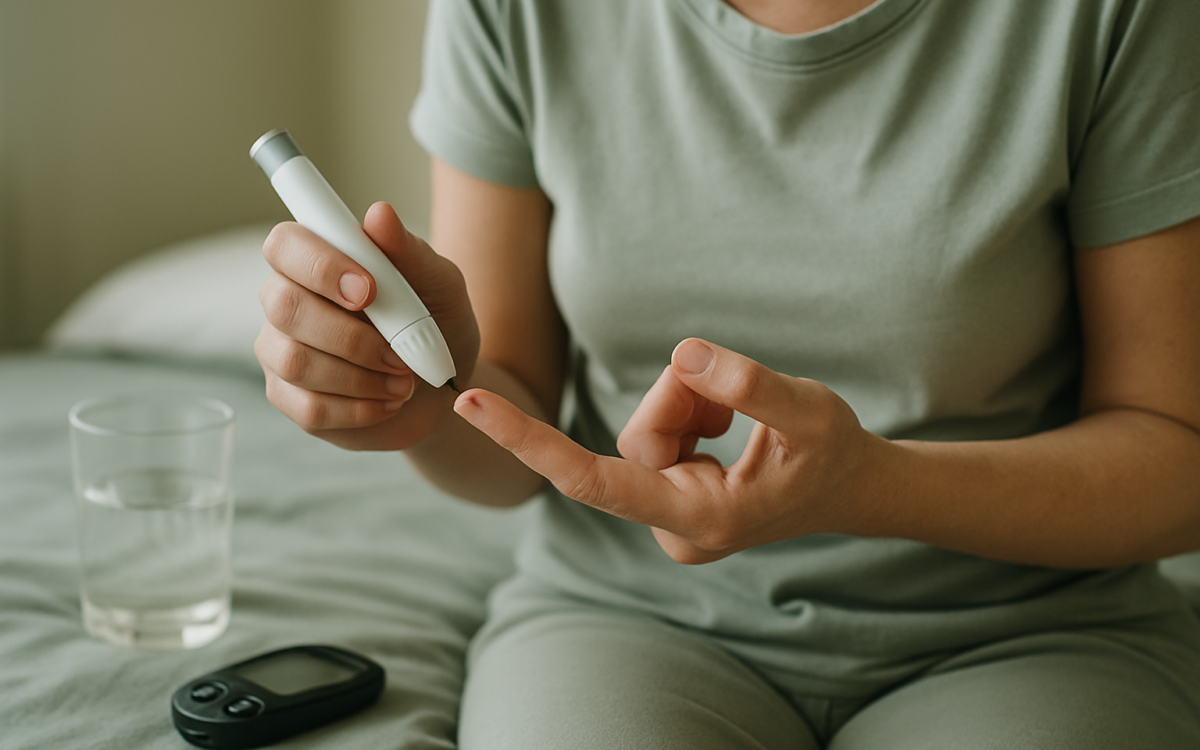
Hyperglycemia, often referred to as high blood sugar, is a common condition among people with diabetes. While it can occasionally occur in individuals without diabetes, understanding its signs and symptoms is essential for managing overall health. Being aware of hyperglycemia not only helps individuals recognize when it occurs but also emphasizes the importance of monitoring blood sugar levels.
What Is Hyperglycemia?
Hyperglycemia occurs when there is an excessive amount of glucose in the bloodstream. Normally, insulin—a hormone produced by the pancreas—helps regulate blood sugar levels by allowing glucose to enter the body’s cells for energy. However, if the body doesn’t produce enough insulin or cannot use it effectively, glucose builds up in the blood. This condition can lead to various complications if left untreated.
Common Causes of Hyperglycemia
Understanding the causes of hyperglycemia can help in its prevention and management. Here are some common triggers:
- Inadequate insulin or medication: For those with diabetes, missing insulin doses or not taking prescribed medications can lead to increased blood sugar.
- Poor diet: High intake of sugary foods and drinks can spike blood sugar levels.
- Physical inactivity: Lack of exercise can lead to rising glucose levels, as the body uses less sugar for energy.
- Stress: Emotional or physical stress can elevate blood sugar through hormonal changes in the body.
Recognizing the Early Signs of Hyperglycemia
Early detection of hyperglycemia is crucial for managing the condition effectively. Some early signs include:
- Increased thirst: Feeling unusually thirsty, even after drinking water, is a common indication that blood sugar levels might be high.
- Frequent urination: Elevated blood sugar can lead to increased urination as the kidneys work to filter out excess glucose.
- Fatigue: People may experience sudden tiredness or lethargy when blood sugar is high.
Other Symptoms to Watch For
If hyperglycemia continues or worsens, other symptoms may emerge. These can include:
- Blurred vision: High blood sugar levels can affect the eyes’ ability to focus, leading to temporary vision changes.
- Dry mouth and skin: Dehydration from frequent urination can cause dryness.
- Headaches: Persistent high blood sugar can lead to headaches due to dehydration and metabolism changes.
- Slow healing of cuts or wounds: High blood sugar can affect the body’s ability to heal properly.
Severe Symptoms of Hyperglycemia
If hyperglycemia is left unmanaged, it can escalate into more severe conditions, including diabetic ketoacidosis (DKA) or hyperglycemic hyperosmolar state (HHS). The severe symptoms might include:
- Nausea and vomiting: Feeling sick may indicate DKA, where the body starts breaking down fat as an alternative energy source.
- Difficulty breathing: Severe hyperglycemia can lead to rapid, shallow breathing due to acidosis.
- Confusion or unconsciousness: In extreme cases, high blood sugar can affect consciousness.
How to Monitor Blood Sugar Levels
Monitoring blood sugar levels is essential for those at risk of hyperglycemia. Here are some tips to do this effectively:
- Regular testing: Individuals with diabetes should routinely check their blood sugar levels using a glucometer or continuous glucose monitor.
- Keeping a log: Maintain a record of blood sugar readings, diet, and physical activity to notice patterns more easily.
- Understanding target ranges: Consult with a healthcare provider to know the acceptable blood sugar range for your condition.
When to See a Doctor
It’s important to consult a doctor if you experience persistent symptoms of hyperglycemia, particularly if they worsen over time. Also, seek medical attention if:
- Your blood sugar levels remain consistently above your target range.
- You experience severe symptoms, like confusion or difficulty breathing.
- You notice signs of dehydration or persistent nausea and vomiting.
Regular check-ups with a healthcare provider are vital for managing diabetes and preventing complications related to hyperglycemia.
Conclusion
Recognizing the signs and symptoms of hyperglycemia is crucial for effective management and prevention of serious health complications. Staying informed and monitoring blood sugar levels can empower individuals to take control of their health. If you notice any symptoms of hyperglycemia, consulting with a healthcare provider is essential to understand your options and maintain optimal health. For further information, you can visit trusted sources like the NIH or the CDC.
