
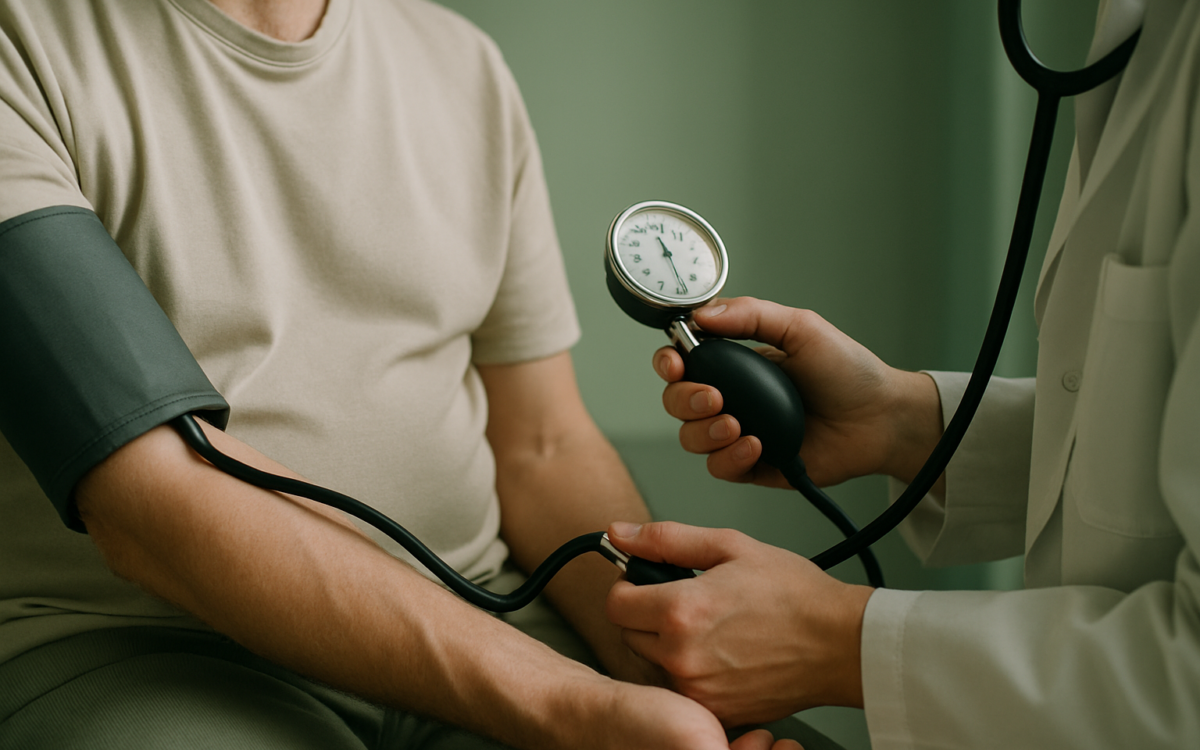
When we think about heart health, one important topic that often comes up is hypertensive cardiovascular disease (HCV). This condition is closely tied to high blood pressure, or hypertension, and its effects can be quite serious. Understanding HCV is crucial for taking steps to protect your heart and overall health. In this article, we will explore what hypertensive cardiovascular disease is, its causes, symptoms, and ways to manage it effectively.
What Is Hypertensive Cardiovascular Disease?
Hypertensive cardiovascular disease refers to a range of health problems that arise because of high blood pressure. Over time, unchecked hypertension can lead to significant damage to the heart and blood vessels. This damage can result in various conditions, such as heart attacks, heart failure, and stroke. According to the CDC, high blood pressure is a leading risk factor for these serious cardiovascular events.
Causes of Hypertensive Cardiovascular Disease
The primary cause of hypertensive cardiovascular disease is, as the name implies, high blood pressure. Blood pressure is determined by the amount of blood your heart pumps and the resistance of the arteries. Here are some common factors that can lead to hypertension and, subsequently, HCV:
- Diet: A diet high in salt, fat, and sugar can contribute to high blood pressure.
- Obesity: Excess weight often leads to increased blood pressure and cardio-related issues.
- Physical Inactivity: Lack of exercise can result in overweight and higher blood pressure.
- Aging: As we age, blood vessels can become less flexible and stiffer, leading to hypertension.
- Genetics: A family history of hypertension can increase your risk.
- Stress: Chronic stress may contribute to increased blood pressure and heart conditions.
Symptoms to Watch For
Hypertensive cardiovascular disease may not always present noticeable symptoms, making it difficult to detect without regular check-ups. However, some signs may indicate that blood pressure is impacting your heart health. Here are some symptoms you should be aware of:
- Chest pain or discomfort
- Shortness of breath
- Fatigue or extreme tiredness
- Swelling in the legs, ankles, or feet
- Irregular heartbeat or palpitations
- Visual disturbances
If you notice any of these symptoms, it’s important to discuss them with your healthcare provider.
Diagnosing Hypertensive Cardiovascular Disease
Diagnosing hypertensive cardiovascular disease typically involves several steps. Initially, your doctor will measure your blood pressure, and you may undergo routine lab tests. These tests can help determine if your blood pressure has caused any damage to your heart and blood vessels. Common tests include:
- Electrocardiogram (ECG): This test records the electrical activity of the heart.
- Echocardiogram: A type of ultrasound that checks the heart’s pumping ability and structure.
- Blood tests: To check cholesterol levels, kidney function, and other important factors.
Based on those results, your doctor can assess your risk for heart disease and other complications associated with hypertension.
Managing and Preventing Hypertensive Cardiovascular Disease
Managing hypertensive cardiovascular disease involves treating high blood pressure and reducing the risk of associated heart problems. Here are some effective strategies:
- Medication: Doctor-prescribed medications can help control blood pressure. Common types include diuretics, ACE inhibitors, and beta-blockers.
- Healthy Diet: Following a balanced diet rich in fruits, vegetables, whole grains, and lean proteins can help manage blood pressure. The DASH (Dietary Approaches to Stop Hypertension) diet is especially beneficial.
- Regular Exercise: Aim for at least 150 minutes of moderate aerobic activity per week.
- Avoid Smoking: Quitting smoking can improve heart health and lower blood pressure.
- Limit Alcohol: Reducing alcohol intake can also help lower blood pressure.
- Stress Management: Engaging in relaxation techniques like yoga, meditation, or deep breathing can reduce stress levels and improve overall health.
Making these lifestyle changes can significantly impact heart health and help prevent further complications.
Living with Hypertensive Cardiovascular Disease
Living with hypertensive cardiovascular disease requires ongoing attention to your health. Regular check-ups and monitoring blood pressure at home can help track your progress. It’s essential to stay informed about your condition and work with your healthcare provider to develop a personalized management plan.
Remember, while hypertensive cardiovascular disease can be serious, with the right approach, many people live fulfilling lives. Awareness and proactive management are key components in maintaining heart health.
When to See a Doctor
If you suspect you have symptoms related to hypertensive cardiovascular disease or have concerns about your blood pressure, it’s important to consult your doctor. Timely diagnosis and management can significantly reduce your risk of severe complications.
In conclusion, while hypertensive cardiovascular disease is a serious condition, understanding its causes, symptoms, and management strategies can help you maintain heart health. By making informed choices and staying proactive, you can significantly reduce your risk and lead a healthy, fulfilling life.
