
In contemporary health discussions, the term ‘hypo’ frequently arises, relating to various medical conditions. But what does it truly mean, and why is it essential to understand? In this article, we’ll explore different contexts where ‘hypo’ is used, its implications for health, and critical signs to watch for.
What Does Hypo Mean?
The prefix ‘hypo’ originates from Greek, meaning ‘under’ or ‘below normal.’ In medical terminology, it denotes a deficiency or reduced level of a particular substance or function in the body. For example, you might hear terms like hypoglycemia or hypothermia, both signifying lower-than-normal levels of blood sugar and body temperature, respectively.
Understanding Hypoglycemia
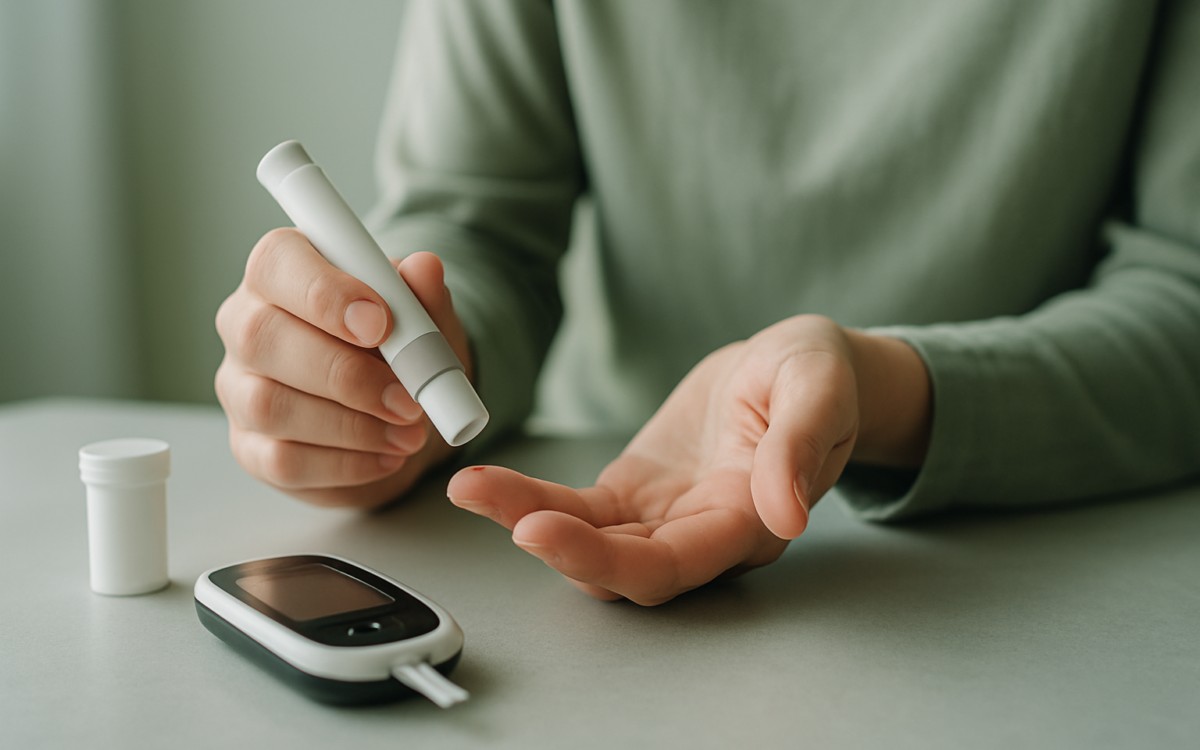
One of the most common forms of hypo that people encounter is hypoglycemia. This condition occurs when the blood sugar (glucose) level drops below the normal range, typically below 70 mg/dL. Glucose is crucial for energy, and when levels fall significantly, it can lead to various symptoms.
Signs and Symptoms of Hypoglycemia
Recognizing hypoglycemia is important, especially for individuals with diabetes who may be on insulin or other glucose-lowering medications. Here are some common signs and symptoms:
- Shakiness or trembling
- Excessive sweating
- Paleness
- Confusion or difficulty concentrating
- Dizziness or lightheadedness
- In severe cases, loss of consciousness
If left untreated, hypoglycemia can lead to serious complications, including seizures or fainting. According to the National Institutes of Health, promptly addressing low blood sugar is crucial for health, especially for those living with diabetes.
Exploring Hypothermia
Another context for the term ‘hypo’ is hypothermia, which occurs when the body loses heat faster than it can produce it, causing the core body temperature to drop below 95°F (35°C). This can be life-threatening if not addressed quickly.
Potential Causes of Hypothermia
Hypothermia can arise from various factors, including:
- Exposure to cold weather
- Immersion in cold water
- Inadequate clothing
- Lengthy exposure to wind
Understanding the environmental factors that can lead to hypothermia can help individuals stay safe during cold weather activities.
Symptoms of Hypothermia
Symptoms of hypothermia often develop gradually. Individuals may notice:
- Cold and pale skin
- Fatigue
- Confusion or memory loss
- Shivering, which may stop as hypothermia worsens
In severe cases, hypothermia can affect heart function and respiratory rate. Recognizing the signs early is essential for survival.
Understanding Other ‘Hypo’ Conditions
Aside from hypoglycemia and hypothermia, many other ‘hypo’ conditions can impact health. Here are a few notable examples:
Hypotension
Hypotension refers to abnormally low blood pressure, which can lead to dizziness, fainting, and shock. Some individuals may experience this condition due to dehydration, prolonged standing, or medication side effects.
Hypoxia
Hypoxia occurs when there is insufficient oxygen in the body, which can lead to confusion, shortness of breath, and even loss of consciousness. Causes include respiratory conditions, severe anemia, or high altitudes.
Hypoparathyroidism
This endocrine disorder results in low levels of parathyroid hormone, causing low calcium levels in the blood. Symptoms can include muscle cramps, tingling in the fingertips, and seizures.
When to See a Doctor
If you or someone you know begins to exhibit symptoms of any ‘hypo’ condition, it’s vital to consult a healthcare professional. For hypoglycemia, seek help if symptoms are severe, if episodes occur frequently, or if you are unsure how to manage them safely. For hypothermia, immediate medical attention is crucial to prevent serious health consequences. Similarly, conditions like hypotension or hypoxia warrant prompt evaluation, especially if you experience symptoms such as fainting or difficulty breathing.
Conclusion
Understanding ‘hypo’ conditions is vital for recognizing potential health issues early. Whether it’s hypoglycemia, hypothermia, or other associated concerns, awareness of symptoms and when to seek help can make all the difference. Always consult your healthcare provider if you have questions or concerns regarding these conditions or your health overall.
