
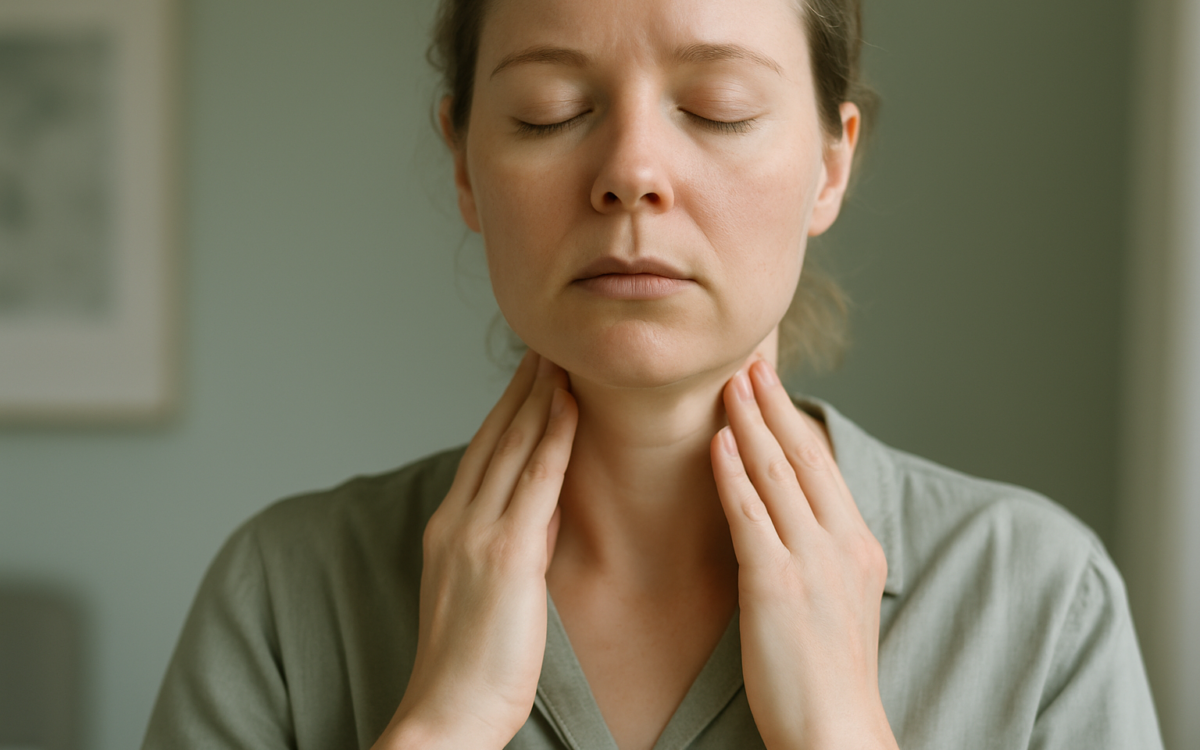
When you think about hypothyroidism, you might not immediately consider how it can affect your face. This condition, in which the thyroid gland does not produce enough thyroid hormones, can lead to a variety of symptoms that manifest in how we look and feel. Understanding these changes can shed light on the connection between our thyroid health and the health of our skin and facial features.
What is Hypothyroidism?
Hypothyroidism occurs when your thyroid gland, located in your neck, does not produce enough hormones. This condition can lead to a slowdown in many of your body’s functions, including metabolism. Some common causes of hypothyroidism include autoimmune diseases, such as Hashimoto’s thyroiditis, iodine deficiency, and certain medications.
The Effects of Hypothyroidism on the Face
Your face is often the first place that shows signs of hormonal imbalances, including those caused by hypothyroidism. Here are several changes you might notice:
- Facial Swelling: One significant symptom is puffiness, especially around the eyes and face. This can occur due to fluid retention, which is commonly associated with hypothyroidism.
- Dry Skin: The lack of thyroid hormones can result in reduced oil production in your skin, leading to dryness and scaliness. This may also affect the appearance of your face.
- Changes in Skin Color: Some people with hypothyroidism notice that their skin takes on a pale or yellowish tint. This change could be related to metabolic slowdowns.
- Hair Loss: Hair thinning, including eyebrows and eyelashes, can result from hypothyroidism. This can lead to a different appearance in the facial area.
Recognizing Other Symptoms
While changes in your face are important indicators, they are just part of a larger picture. Hypothyroidism can elicit many symptoms throughout your body, including:
- Fatigue and weakness
- Weight gain
- Cold intolerance
- Constipation
- Joint pain and stiffness
- Depression
Recognizing these symptoms, alongside changes to your face, is essential for understanding whether you might have hypothyroidism. According to the National Institutes of Health (NIH), these signs can sometimes be subtle but are critical for diagnosis and treatment.
Why Facial Changes Occur
The changes you see in your face due to hypothyroidism relate back to the role of thyroid hormones in overall body functions. These hormones influence your metabolism, which impacts everything from energy levels to skin health. Without sufficient hormones, your body may experience lower metabolic rates, leading to issues such as fluid retention and decreased oil production in your skin.
Additionally, thyroid hormones are essential for the regulation of collagen production, which is vital for maintaining the elasticity and smoothness of your skin. When hormone levels are low, it can weaken collagen and cause the skin to appear dull or uneven.
Management and Treatment Options
While hypothyroidism is usually manageable with medication, it’s essential to work closely with your healthcare provider to find the right treatment plan. Common treatment typically includes:
- Thyroid Hormone Replacement Therapy: Levothyroxine is a common medication prescribed to replace the missing thyroid hormone.
- Regular Monitoring: Your healthcare provider will likely need to monitor your hormone levels to adjust your medication dosage as needed.
- Dietary Adjustments: Including iodine-rich foods (like fish and dairy) may help, but consult your doctor before making dietary changes.
Making Lifestyle Changes
In addition to medication, certain lifestyle changes can promote better skin health and overall well-being. These might include:
- Staying Hydrated: Drinking plenty of water can help combat dry skin.
- Using Moisturizers: Incorporating a high-quality moisturizer can improve skin texture and appearance.
- Eating a Balanced Diet: A diet rich in fruits, vegetables, whole grains, and lean proteins can support overall health and improve skin condition.
- Avoiding Stress: High stress levels can exacerbate symptoms, so incorporating stress-reduction techniques like yoga or meditation can be beneficial.
When to See a Doctor
If you notice changes in your facial appearance, skin health, or experience other symptoms associated with hypothyroidism, it’s important to consult with your healthcare provider. Early diagnosis and treatment can significantly improve quality of life and prevent further complications.
Conclusion
Understanding how hypothyroidism affects not only your overall health but also your facial appearance can empower you to seek help if needed. Paying attention to changes in your skin and other symptoms can lead to timely diagnosis and effective treatment. Remember, maintaining a close relationship with your healthcare provider can help ensure that you manage this condition effectively for a healthier you.
