
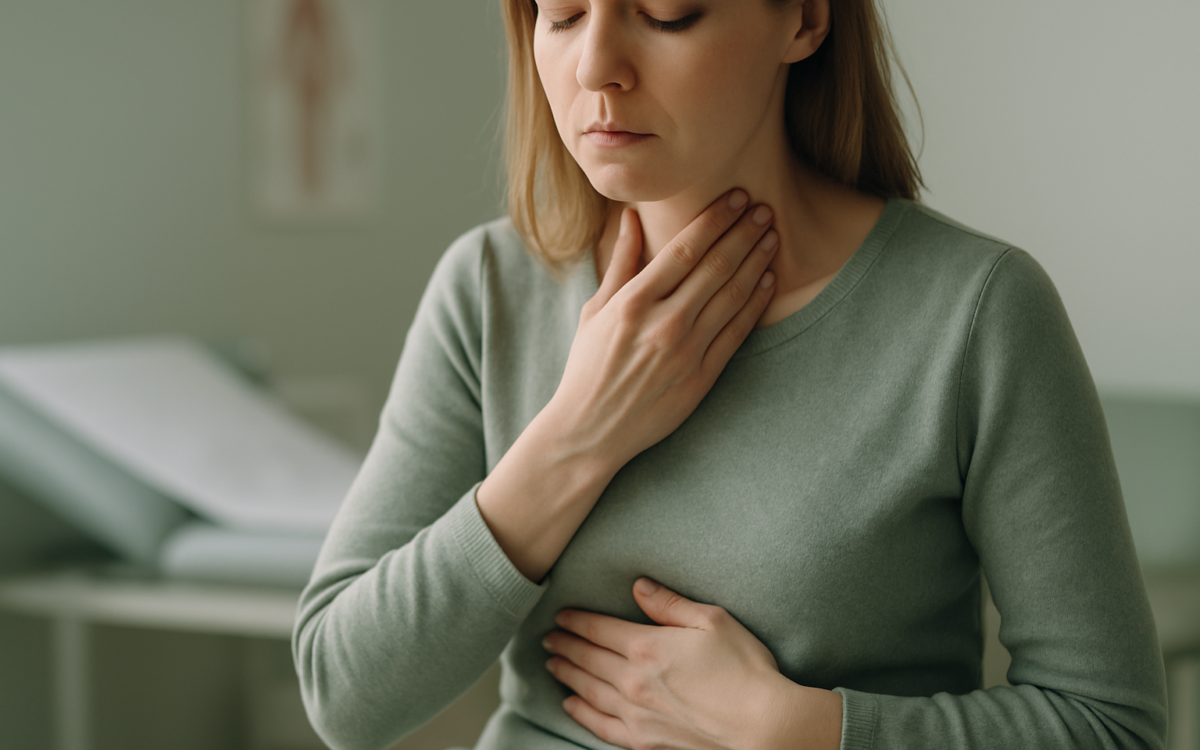
Hypothyroidism, a condition where the thyroid gland doesn’t produce enough thyroid hormones, can significantly impact women’s health. Women are more likely than men to develop this condition, making awareness of its symptoms crucial. Understanding hypothyroidism symptoms can help in early identification and management, leading to better health outcomes. This article delves into the various symptoms that can occur in females and emphasizes the importance of seeking medical advice when necessary.
What is Hypothyroidism?
Hypothyroidism occurs when the thyroid gland, located in the front of your neck, does not produce enough thyroid hormones. These hormones are vital for regulating many bodily functions, including metabolism, energy levels, and body temperature. When hormone levels drop, various symptoms can emerge, impacting daily life.
Common Symptoms of Hypothyroidism in Females
While symptoms can vary among individuals, women with hypothyroidism often experience some common signs, including:
- Fatigue: One of the most prevalent symptoms, fatigue can make even simple tasks feel overwhelming.
- Weight Gain: Many women find it difficult to lose weight or may notice unexplained weight gain due to a slowed metabolism.
- Cold Intolerance: Individuals may become more sensitive to cold temperatures, feeling chilly when others are comfortable.
- Dry Skin and Hair: Hypothyroidism can lead to dry, coarse skin, and hair that becomes brittle and falls out.
- Menstrual Changes: Women may experience heavier, more frequent periods, along with other menstrual irregularities.
- Depression and Anxiety: Changes in hormone levels can affect mood, leading to feelings of sadness or anxiety.
The Impact of Age and Pregnancy
Hypothyroidism can have varying effects depending on age and life stage. For younger women and those who are pregnant, symptoms may present differently or can be mistaken for other issues. For example, during pregnancy, hypothyroidism can affect fetal development, so it is essential to monitor thyroid function during this time. Pregnant women may experience symptoms like increased fatigue or mood swings, which could lead to underdiagnosis unless they are tested for thyroid issues.
Long-Term Effects of Untreated Hypothyroidism
If not treated, hypothyroidism can lead to severe health complications, including cardiovascular issues, infertility, and myxedema coma—a rare but life-threatening condition. Women who neglect symptoms should consider consulting a healthcare professional to avoid potential long-term effects. Proper treatment can restore hormonal balance and mitigate these risks.
International Treatment Perspective
Treatment for hypothyroidism typically involves thyroid hormone replacement therapy, which can vary based on individual needs. In some regions, advanced medical facilities like those found at acibademinternational.com offer various specialization options for patients needing thyroid care. International healthcare facilities often employ the latest diagnostic tools and treatment modalities, ensuring comprehensive care for managing thyroid-related conditions.
How is Hypothyroidism Diagnosed?
Diagnosing hypothyroidism typically involves a thorough medical history and blood tests to measure levels of Thyroid-Stimulating Hormone (TSH) and thyroxine (T4). A healthcare provider can gauge if the thyroid is underactive and determine the best treatment plan. Regular monitoring is also necessary for those already diagnosed to ensure hormone levels remain balanced.
When to See a Doctor
If you experience any of the symptoms associated with hypothyroidism, it’s crucial to consult a healthcare provider. Early detection can lead to effective treatment, improving your quality of life. Be open about your symptoms and any changes you notice, especially if they persist or worsen.
Conclusion
Being informed about hypothyroidism symptoms is vital for women, who are at a higher risk for this condition. Recognizing early signs can lead to timely diagnosis and treatment, allowing for a healthier and more active life. If you’re experiencing symptoms mentioned in this article, don’t hesitate to reach out to your healthcare provider for further evaluation. Stay informed and proactive about your health for the best outcomes.
