
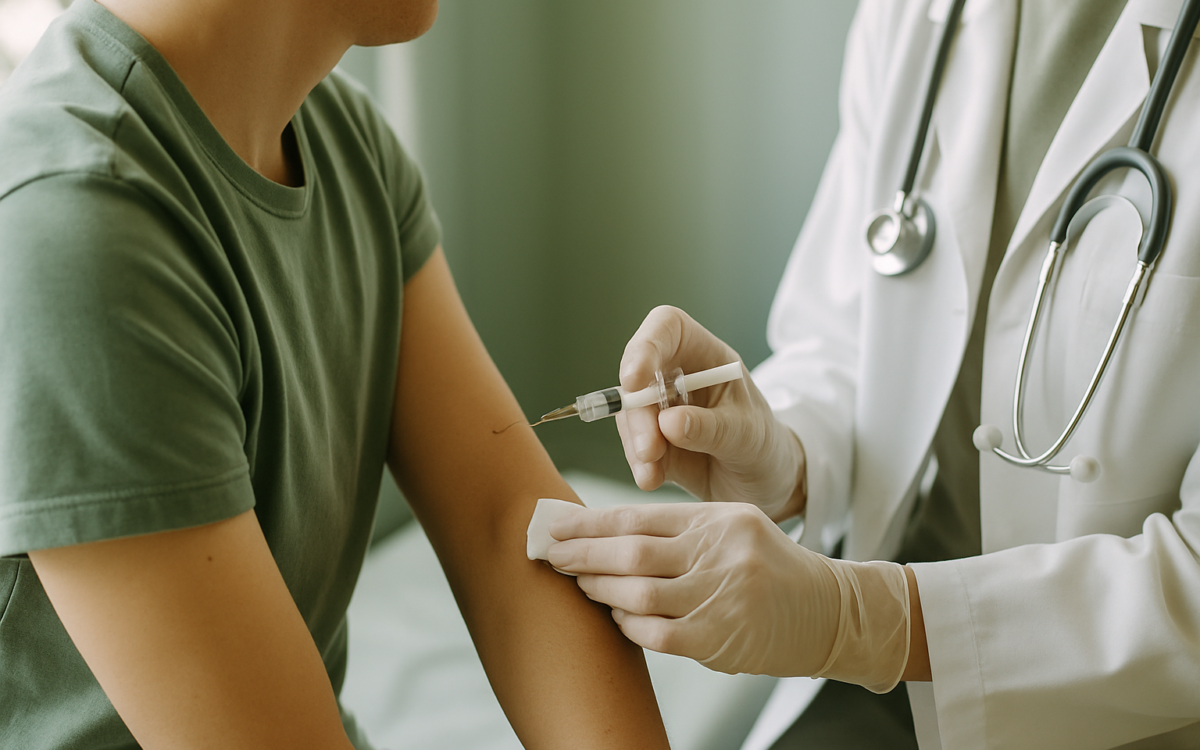
Every year, millions of children and adults receive immunisation shots to protect against various diseases. These vaccines play a crucial role in preventing outbreaks and ensuring a healthier future for everyone. But what exactly are immunisation shots, and why are they so important? In this article, we will explore the significance of immunisations, the types of vaccines available, and the recommended vaccination schedules to help you stay informed and proactive about your health.
What are immunisation shots?
Immunisation shots, commonly known as vaccines, are medical preparations that stimulate the body’s immune system to recognize and fight specific pathogens such as viruses or bacteria. When a vaccine is administered, it introduces a harmless component of the pathogen—often in the form of a weakened or inactivated virus or bacterium—allowing the immune system to develop a response without causing the disease itself. Once the immune system recognizes the invader, it can respond more effectively if exposed in the future.
The importance of immunisation
Immunisations are not just personal health measures; they are vital for public health as well. Here are several key reasons highlighting their importance:
- Disease Prevention: Vaccines prevent countless diseases like measles, mumps, rubella, polio, and influenza, reducing morbidity and mortality rates significantly.
- Herd Immunity: When a large portion of a population is vaccinated, it creates herd immunity. This protects those who are unable to receive vaccines, such as infants or individuals with certain medical conditions.
- Cost-Effective Health Care: Preventing diseases through vaccination is far more cost-effective than treating outbreaks, which can strain healthcare resources.
- Eradication of Diseases: Vaccination campaigns have successfully eradicated diseases like smallpox and have drastically reduced the prevalence of others, such as polio and measles.
Types of immunisation shots
There are several types of vaccines, classified based on the technology used to create them:
- Live-attenuated vaccines: These vaccines contain weakened forms of the virus or bacteria and typically induce strong immune responses with lasting protection. Examples include the measles, mumps, rubella (MMR) and yellow fever vaccines.
- Inactivated vaccines: These contain killed pathogens that cannot cause disease but still prompt an immune response. Examples are the polio vaccine and the hepatitis A vaccine.
- Subunit, recombinant, and conjugate vaccines: These vaccines include parts of the pathogen (such as proteins) to stimulate an immune response. The HPV vaccine and the pertussis vaccine fall into this category.
- Messenger RNA (mRNA) vaccines: A newer technology, mRNA vaccines teach our cells to produce a protein that triggers an immune response. The COVID-19 vaccines by Pfizer-BioNTech and Moderna are examples of this type.
Recommended vaccination schedule
The vaccination schedule varies depending on age, health condition, and local guidelines. Here’s a general overview of recommended vaccines:
For infants and children:
- Birth: Hepatitis B (HepB)
- 2 months: DTaP, Hib, IPV, PCV13, Rotavirus
- 4 months: DTaP, Hib, IPV, PCV13, Rotavirus
- 6 months: DTaP, Hib, IPV, PCV13, Rotavirus, HepB
- 12 months: MMR, Varicella, HepA
- 4-6 years: DTaP, IPV, MMR, Varicella
For adolescents and adults:
- 11-12 years: Tdap, HPV, Meningococcal
- Annual: Influenza vaccine
- 65 years and older: Pneumococcal and shingles vaccines
It’s essential to consult your doctor or healthcare provider about the vaccination schedule that best fits your needs. They can provide personalized recommendations based on your health history and local outbreaks.
Common misconceptions about immunisation shots
Despite the overwhelming evidence supporting the safety and efficacy of vaccines, misconceptions persist. Addressing these myths is crucial for promoting public confidence in immunisations:
- Vaccines cause diseases: Vaccines do not cause diseases; instead, they prepare the immune system to fight them effectively.
- Natural infection is better than vaccination: While natural infection can provide immunity, it often comes with severe complications that vaccinations do not.
- Vaccines are not safe: Extensive research confirms that vaccines are safe and effective. Serious side effects are rare, and the benefits far outweigh the risks.
When to see a doctor
If you have questions or concerns about immunisation shots, feel free to consult your healthcare provider. It’s crucial to discuss any medical conditions, allergies, or previous vaccine reactions that could affect your vaccination journey.
Conclusion
Immunisation shots are a cornerstone of public health, protecting individuals and communities from infectious diseases. By staying informed about recommended vaccines and dispelling common myths, we can contribute to a healthier society. Remember to consult your healthcare provider for personalized information on immunisation schedules and any other questions you may have. Together, we can work towards a healthier future for everyone.
