
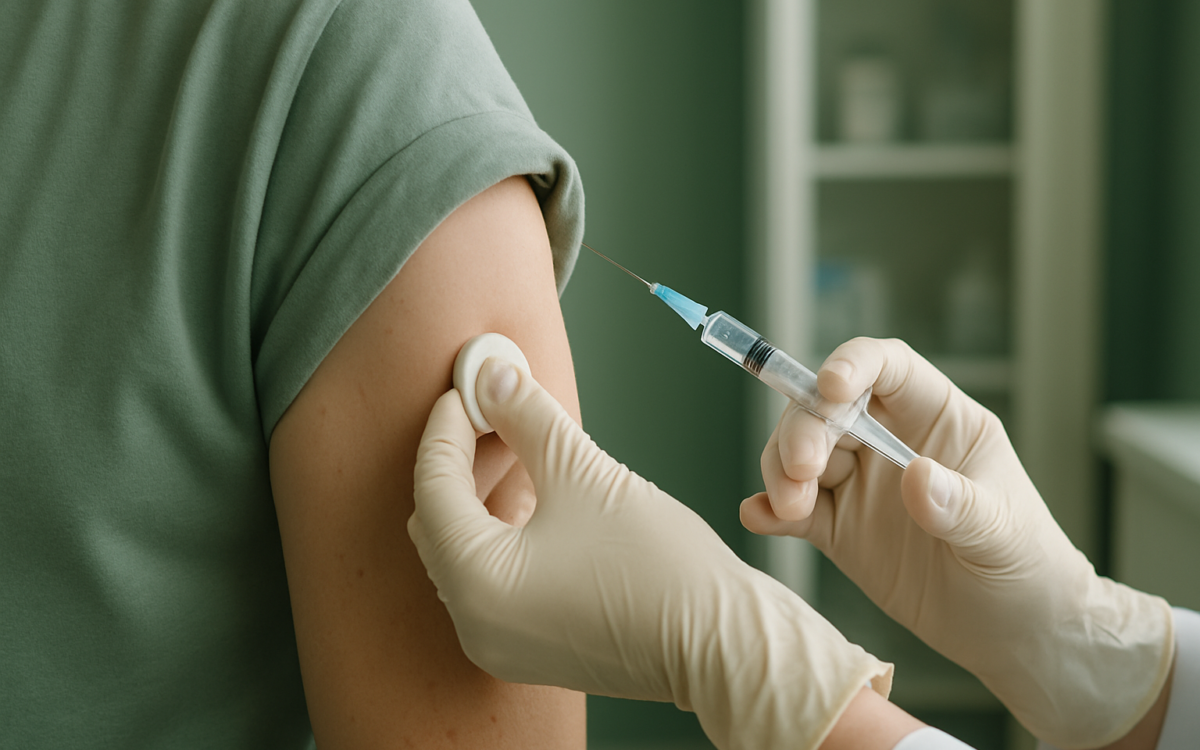
Immunization shots play a crucial role in keeping both individuals and communities healthy. Vaccines prepare your immune system to fight off infections by recognizing and attacking specific pathogens. As newer and more effective vaccines are developed, understanding the importance and function of immunization shots becomes essential for everyone. Let’s explore the different aspects of immunizations, including their benefits, recommended schedules, and how they work.
What are immunization shots?
Immunization shots, commonly known as vaccines, are medical preparations that help protect against infectious diseases. When you receive an immunization shot, it typically contains a weakened or inactive part of a particular germ or a blueprint that helps your body have a strong defense against the disease. This process trains your immune system to recognize and combat the disease if you’re exposed to it in the future.
Why are immunization shots important?
Vaccines are vital for preventing outbreaks of diseases that were once common and deadly. Many of these diseases can cause severe health issues, complications, or even death, particularly in vulnerable populations like infants, the elderly, and individuals with weakened immune systems. Here are a few significant reasons why immunization shots are important:
- Protecting individuals: Immunization shots enhance your body’s ability to fight infections.
- Community protection: High vaccination rates can lead to herd immunity, preventing the spread of diseases among those who cannot be vaccinated.
- Cost-effective healthcare: Vaccination can reduce healthcare costs by preventing diseases that require extensive medical treatment.
- Eradicating diseases: Vaccines have led to the near-eradication of diseases like smallpox and significant reductions in polio and measles cases.
When are immunization shots required?
The Centers for Disease Control and Prevention (CDC) outlines a vaccination schedule that includes a series of immunization shots that are recommended at various stages of life. Here’s a general overview:
- Infants: Vaccines are recommended shortly after birth and continue through the first two years, including shots for hepatitis B, rotavirus, and DTaP (diphtheria, tetanus, and whooping cough).
- Children: Additional vaccines are required between ages 3 to 6, including measles, mumps, rubella (MMR), and varicella (chickenpox).
- Preteens and teenagers: The Tdap vaccine (booster for tetanus, diphtheria, and whooping cough) and HPV (human papillomavirus) vaccines are recommended.
- Adults: Various boosters are recommended, particularly for tetanus and diphtheria. Some adults may also need vaccines for shingles and pneumonia.
You can find the complete immunization schedule on the CDC website.
Vaccines for international travelers
If you’re planning to travel abroad, it’s crucial to review the immunizations required for your destination. Certain countries may have specific health risks, and some vaccinations might be necessary to ensure your safety and the safety of others. For example, immunizations for hepatitis A, typhoid, or yellow fever may be recommended depending on your travel plans. Additionally, international patient services can help you understand the health requirements for various destinations and guide you in getting the necessary vaccinations.
Common myths about immunization shots
Despite evidence supporting the efficacy and safety of vaccines, misinformation continues to spread. Here are a few common myths debunked:
- Myth 1: Vaccines cause the diseases they are meant to prevent.
Fact: Vaccines contain weakened or inactive germs that do not cause the disease. - Myth 2: Natural immunity is better than vaccine-acquired immunity.
Fact: Natural infections can lead to severe complications, while vaccines provide safety without the risk of disease complications. - Myth 3: Vaccines contain toxic substances that can harm health.
Fact: The levels of any potential harmful ingredients in vaccines are so low that they do not pose a health risk.
It’s essential to consult credible sources and speak with healthcare professionals when looking for information about vaccines.
Keeping your immunizations up to date
Staying on top of your immunizations is vital for your health and the health of those around you. Here are several tips for keeping track of your immunization status:
- Maintain records: Keep a personal immunization record or ask your healthcare provider for a copy.
- Scheduled check-ups: Schedule routine visitations with your healthcare provider to keep your vaccines current.
- Ask questions: Discuss concerns or questions about vaccines with your healthcare provider to ensure you make informed decisions.
When to see a doctor
If you or your child develops any unusual side effects after receiving an immunization shot, such as high fever, prolonged irritation at the injection site, or signs of an allergic reaction (difficulty breathing, swelling of the face or throat), it may be time to consult a healthcare professional. Additionally, if you’re unsure about your or your child’s vaccination status, don’t hesitate to reach out to your healthcare provider for guidance.
In summary, immunization shots are a significant aspect of preventative healthcare. Through proper immunization, we can protect ourselves, our loved ones, and our communities from preventable diseases. Staying informed about vaccine schedules and engaging with your healthcare provider ensures that you remain covered and healthy.
