
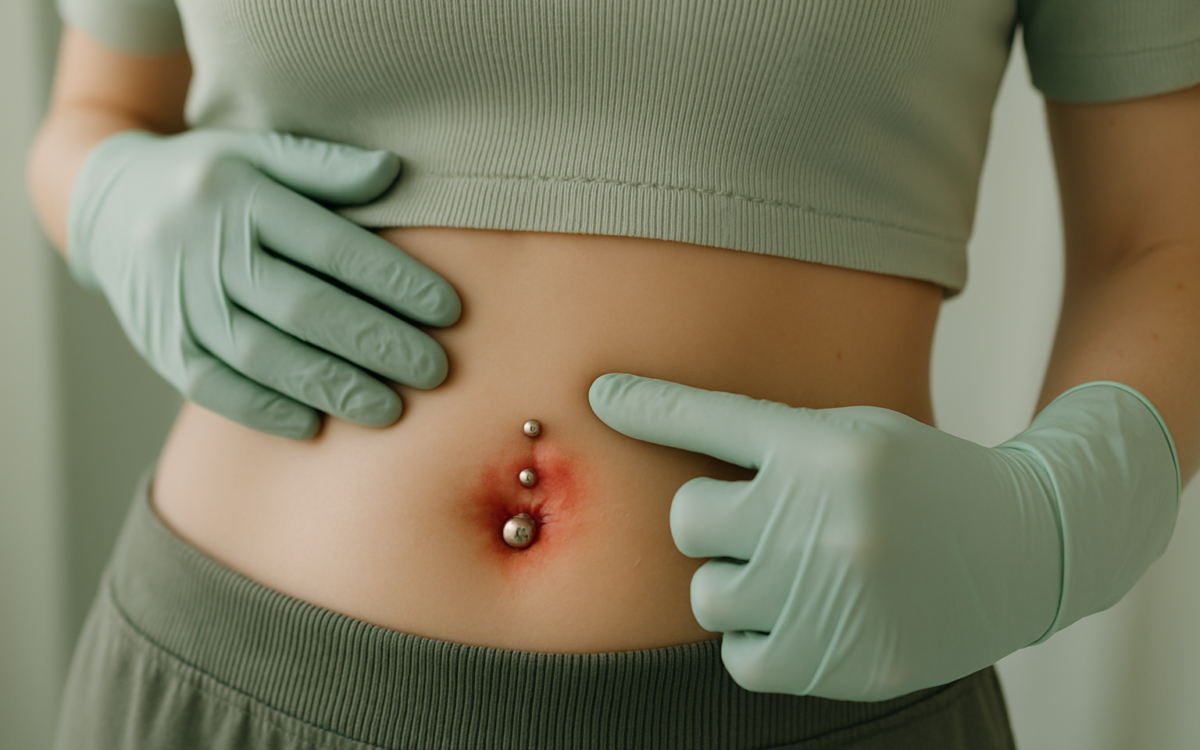
Belly button piercings have become a favorite form of self-expression and body art for many people. While they can be a fun and stylish accessory, they also come with risks, especially the risk of infection. Understanding what can lead to an infected belly button piercing and how to manage it is essential for anyone considering or already sporting this trendy look. This article dives into the causes, symptoms, treatment options, and preventive measures for an infected belly button piercing.
What Causes an Infected Belly Button Piercing?
Infection in a belly button piercing typically occurs when bacteria enter the body through the opening created by the piercing. Several factors can contribute to this risk, including:
- Improper Aftercare: Cleaning the piercing properly is crucial for preventing infection. Failure to follow aftercare guidelines can leave a piercing vulnerable to bacteria.
- Body Types: People with high levels of body fat in the abdominal area may experience more friction on the piercing, increasing the risk of irritation and infection.
- Jewelry Material: Using jewelry made of non-hypoallergenic materials can trigger allergic reactions or infections.
- External Factors: Contact with irritants like soaps, lotions, or pools can introduce bacteria to a fresh piercing.
Identifying Symptoms of Infection
It’s important to be aware of the signs of an infected belly button piercing so you can take action early. Common symptoms may include:
- Redness and Swelling: The skin around the piercing may appear red and swollen, indicating inflammation.
- Pain or Tenderness: Increased sensitivity around the piercing can signify an infection, especially if it worsens over time.
- Discharge: Clear or yellowish fluid may ooze from the piercing, particularly if it is infected. A foul odor can accompany this discharge.
- Fever: In more severe cases, you might develop a fever, indicating a systemic response to the infection.
If you notice any of these signs, it is crucial to address the issue promptly.
At-Home Care for Infected Belly Button Piercings
If you suspect your belly button piercing is infected, there are steps you can take at home to help manage the situation:
- Clean the Area: Use a saline solution or an antiseptic recommended for piercings to gently clean the area. Avoid alcohol-based products, as they can irritate the skin.
- Avoid Irritation: Wear loose clothing to prevent friction on the piercing. This can help minimize irritation and promote healing.
- Do Not Remove Jewelry: Unless advised by a healthcare professional, do not remove the jewelry, as this can lead to the piercing closing over the infection.
- Warm Compresses: Applying a warm compress can relieve pain and help draw out fluid or pus.
While these at-home care techniques can relieve symptoms, persistent infection may require a doctor’s intervention.
When to Seek Medical Attention
In some cases, an infected belly button piercing may not improve with at-home care. Recognizing when to seek medical assistance is vital. Consult a doctor if:
- Your symptoms worsen or don’t improve within a few days of proper care.
- You experience a high fever or severe pain.
- Red streaks appear on your abdomen, indicating that the infection may be spreading.
- You notice significant swelling or the formation of a lump around the piercing.
For more information, you can refer to guidelines from the CDC on infection prevention and care.
Possible Treatment Options
If a healthcare professional determines that your belly button piercing is indeed infected, they may suggest several treatment options:
- Antibiotics: Oral or topical antibiotics may be prescribed to help eliminate the infection.
- Drainage: In cases of abscess formation, drainage may be necessary, and this process should be performed by a qualified professional.
- Alternative Jewelry: Switching to hypoallergenic jewelry may reduce the irritation caused by certain metals.
Always follow your doctor’s advice regarding medication usage and follow-up appointments to ensure complete recovery.
Preventing Belly Button Piercing Infections
Prevention is always better than treatment. Here are some effective ways to reduce the risk of infection when getting a belly button piercing:
- Choose a Clean, Professional Piercing Studio: Research local piercing establishments, read reviews, and ensure they follow strict hygiene protocols.
- Follow Aftercare Instructions: Your piercer will provide detailed aftercare instructions that are essential for healing. Follow these guidelines closely.
- Be Mindful of Activities: Avoid swimming in pools or hot tubs during the healing process to reduce exposure to bacteria-laden water.
- Inspect the Jewelry: Ensure the jewelry used is made from safe materials, like titanium or surgical steel, to reduce irritation and allergic reactions.
By taking these precautions, you can help ensure a healthy healing process and enjoy your belly button piercing without the complications of infection.
Conclusion
Infected belly button piercings can be uncomfortable and concerning, but being informed about the causes, symptoms, and treatment options can help you manage the situation effectively. By practicing proper aftercare and heeding early warning signs, you can prevent infections and enjoy your body art safely. Always remember that when in doubt, consulting with a healthcare professional will guide you toward the best care options.
