
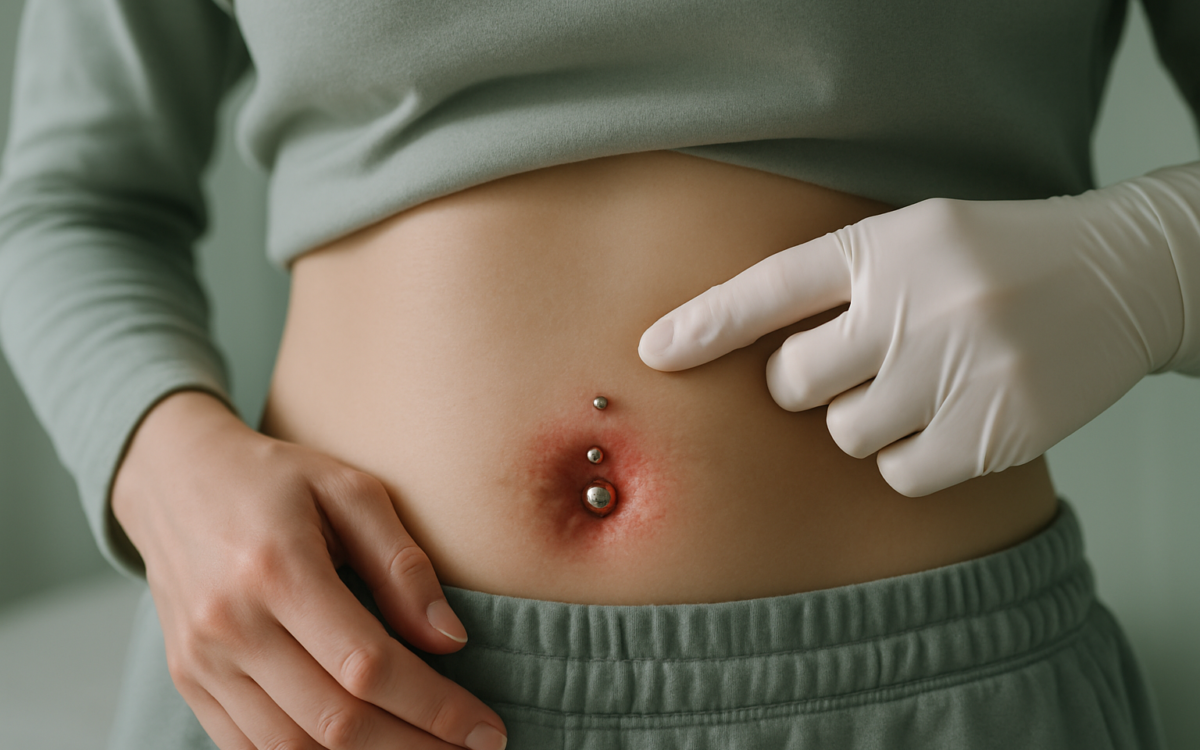
Body piercings have become a popular form of self-expression, with many people choosing to embellish their bellies with stylish designs. However, with every piercing comes the responsibility of aftercare, as infections can occur if proper hygiene isn’t maintained. Understanding the signs of an infected piercing and knowing how to respond can help you navigate this uncomfortable situation more effectively.
What Causes Infections in Belly Piercings?
Infections can arise in belly piercings for various reasons. The primary culprit is bacteria, which can enter the body through an unclean needle or a contaminated environment. Here are a few common causes of infections:
- Improper aftercare: Failing to clean and care for your new piercing properly can introduce bacteria.
- Skin irritation: Wearing tight clothing or jewelry made from non-hypoallergenic materials can irritate the piercing and lead to infection.
- Environmental exposure: Submerging your piercing in pools, hot tubs, or even the ocean can expose it to harmful bacteria.
Being aware of these factors can help you take precautionary measures to protect your piercing.
Recognizing the Symptoms of an Infected Piercing
It’s crucial to identify the symptoms of an infected belly piercing early on to minimize potential complications. Common signs include:
- Redness and swelling: The area around the piercing may appear red or swollen, which can signal infection.
- Pain or tenderness: If you experience persistent pain or tenderness in the area, it may indicate an infection.
- Discharge: Pus or other unusual fluids might ooze from the piercing site.
- Fever: In more severe cases, you may develop a fever, which is a sign that the body is responding to an infection.
If you notice one or more of these symptoms, it’s important to assess the situation promptly.
Treatment Options for Infected Belly Piercings
When dealing with an infected belly piercing, treatment will depend on the severity of the infection. Here are common approaches:
Home Remedies
For mild infections, you may try the following:
- Cleaning the area: Use saline solution (a mixture of salt and water) or antiseptic soap to clean the piercing site daily.
- Avoid removing the jewelry: It’s often advised to keep the jewelry in, as removing it can lead to the wound closing and trapping the infection inside.
- Warm compresses: Applying a warm compress can help reduce swelling and promote healing.
Medical Treatments
If symptoms persist or worsen, seeking medical attention is crucial. A healthcare professional may:
- Prescribe antibiotics: For more severe infections, oral antibiotics may be necessary to eliminate the bacteria.
- Perform an incision: In rare cases, a doctor may need to drain pus from the infected area to help speed up recovery.
Always consult a healthcare provider before undertaking any treatment, especially if symptoms are severe or show no signs of improvement.
How to Prevent Belly Piercing Infections
Prevention is always better than cure. Here are some tips to help you avoid infections in your belly piercing:
- Choose a reputable piercer: Ensure your piercing is done in a professional studio with good hygiene practices.
- Follow aftercare instructions: Adhere to the aftercare guidelines given by your piercer to keep the area clean and free from bacteria.
- Wear breathable clothing: Opt for loose clothing that does not rub against the piercing.
- Limit exposure to water: Avoid swimming in pools, lakes, or hot tubs until the piercing has fully healed.
By following these preventive measures, you can significantly reduce the risk of infections.
When to See a Doctor
While many mild infections can be addressed with home care, it’s essential to know when to seek medical help. You should see a doctor if:
- You experience severe pain, excessive swelling, or redness.
- The discharge becomes foul-smelling.
- You develop a fever or other systemic symptoms.
- You notice any spreading of redness or swelling beyond the initial site.
Taking prompt action in these scenarios can prevent complications and promote quicker healing.
Conclusion
Infections in belly piercings can be distressing, but understanding the causes, symptoms, and treatment options can empower you to manage them effectively. Remember that vigilant aftercare and awareness are key to keeping your piercings healthy. If complications arise, do not hesitate to seek professional medical help. Your body deserves proper care, especially when it comes to self-expression through piercings.
