
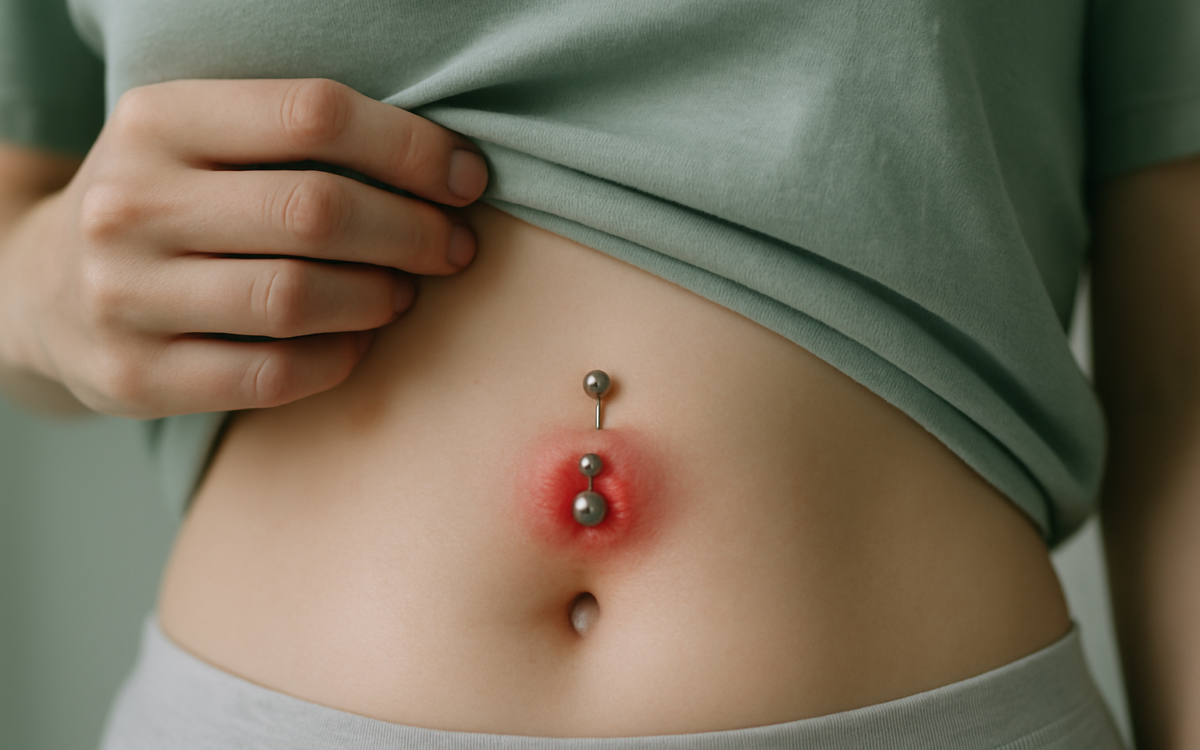
Getting a belly button piercing can be an exciting form of self-expression, but sometimes things can go wrong. Infections are a common complication that can occur after getting a stomach piercing, leading to discomfort and worry. This article will help you understand what an infected stomach piercing is, how to identify the signs of infection, and what steps you can take to care for it.
What Is an Infected Stomach Piercing?
An infected stomach piercing typically refers to an infection that occurs at the site of a belly button or abdominal piercing. Infections can develop shortly after the piercing or even weeks later. They happen when harmful bacteria enter the body through the opening in the skin, leading to redness, swelling, pain, and sometimes pus or other discharge.
Signs and Symptoms of Infection
Recognizing an infection early can help you take action to prevent further complications. Here are some common signs and symptoms of an infected stomach piercing:
- Redness: The area around the piercing may appear more red than usual, indicating inflammation.
- Swelling: You might notice an increase in size around the piercing hole.
- Pain: Any discomfort or pain that intensifies could be a warning sign.
- Pus or discharge: An infection may cause pus to ooze out from the piercing site, which may be yellow or green in color.
- Fever: In severe cases, an infection can lead to a fever as your body fights off the bacteria.
If you experience any of these symptoms, it’s essential to take them seriously.
What Causes Infections in Stomach Piercings?
Several factors can contribute to infections in stomach piercings:
- Poor hygiene: Failing to clean the area properly can allow bacteria to thrive.
- Improper aftercare: Not following the recommended aftercare steps can lead to complications.
- Material sensitivities: Some people may be allergic to the metal used in the piercing jewelry, leading to irritation and a higher risk of infection.
- Touching the piercing: Frequently touching the area with dirty hands can introduce bacteria.
Understanding these causes can help you take preventative measures before and after getting your piercing.
Caring for an Infected Stomach Piercing
If you suspect your stomach piercing is infected, here are some steps you can take to help manage the situation:
1. Keep It Clean
Cleaning the area with a saline solution is vital. A saline solution can be made at home by mixing salt and warm water. Use a clean cotton ball or gauze to gently apply the saline to the affected area twice a day.
2. Avoid Irritants
Certain substances can aggravate the piercing. Avoid creams, ointments, and over-the-counter products unless directed by a doctor.
3. Do Not Remove the Jewelry
It might be tempting to remove the jewelry, but doing so can lead to the wound closing over the infection, trapping bacteria inside. Leave the jewelry in place unless otherwise instructed by your healthcare provider.
4. Take Pain Relievers
If you are experiencing discomfort, consider taking over-the-counter pain relievers, such as ibuprofen or acetaminophen, to help alleviate pain. Always follow the recommended dosages found on the packaging.
5. Avoid Swimming
It is crucial to avoid pools, hot tubs, or any other water bodies until the infection has healed properly. These can introduce additional bacteria.
When to See a Doctor
While many infections can be managed at home, there are situations when it is essential to seek professional help. Consider seeing a doctor if:
- The infection persists or worsens after a few days of self-care.
- You notice increasing symptoms such as fever, severe swelling, or dramatic redness.
- Pus continues to drain, or there’s an unusual odor.
- You have a history of severe allergic reactions or compromised immune systems.
Your doctor may prescribe antibiotics or other medications to help control the infection and ensure proper healing.
Preventing Infections in Belly Button Piercings
The best way to address infections is to prevent them in the first place. Here are some key tips for preventing infections in your stomach piercing:
- Choose a reputable piercer: Make sure your piercer follows strict hygiene practices and uses sterile equipment.
- Follow aftercare instructions: Listen to the advice from your piercer regarding cleaning and caring for your new piercing.
- Wear appropriate materials: Use jewelry made from surgical-grade stainless steel, titanium, or other materials known to be safe for body piercings.
- Practice good hygiene: Wash your hands regularly, especially before touching your piercing.
Conclusion
Infections are a common concern with stomach piercings, but being informed can help you manage the issue effectively. Recognizing signs of infection and knowing how to care for your body can make a significant difference in your healing journey. Always consult with your doctor for personalized advice and treatment to ensure your piercing heals safely.
