
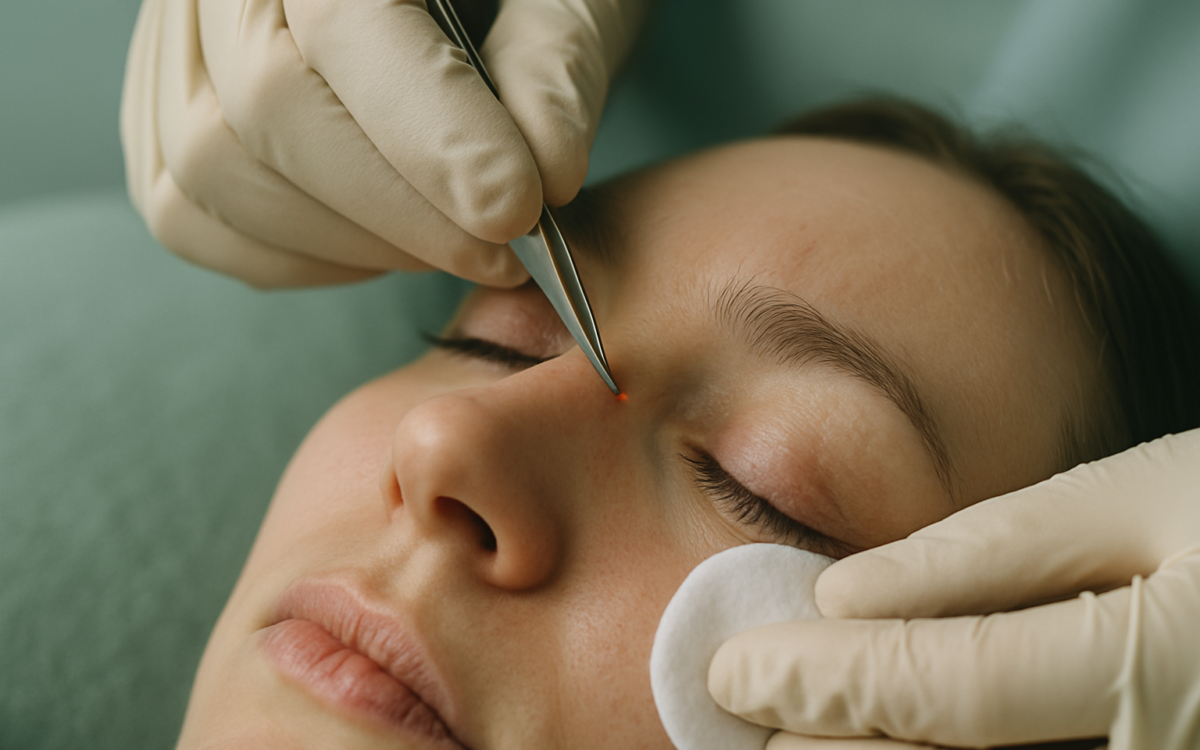
Ingrown eyelashes can be an uncomfortable and sometimes painful condition that affects your eyes. While they may seem like a minor issue, they can lead to irritation, inflammation, and even infections if not addressed properly. In this article, we will explore the causes, symptoms, and ways to care for ingrown eyelashes while emphasizing the importance of consulting a healthcare professional when necessary.
What Are Ingrown Eyelashes?
Ingrown eyelashes occur when an eyelash grows inward instead of outward, towards the eye. This misdirection can result from various factors, such as irritation or abnormal eyelid skin growths. Often, the condition can be challenging to spot at first since it may initially feel like a small itch or discomfort.
Common Causes of Ingrown Eyelashes
Several factors can contribute to the development of ingrown eyelashes:
- Genetics: Some individuals may be more prone to ingrown eyelashes due to hereditary skin conditions or facial structure.
- Skin conditions: Conditions like blepharitis, which is the inflammation of the eyelid margins, can lead to abnormal hair growth and ingrowth.
- Trauma: Eye injuries or surgeries may disrupt the normal growth pattern of eyelashes.
- Environmental factors: Allergens, pollutants, or irritants can contribute to inflammation and misdirect eyelash growth.
Symptoms of Ingrown Eyelashes
Recognizing the symptoms of an ingrown eyelash is key to addressing the issue early. Common signs may include:
- Irritation or discomfort: You may feel mild to moderate discomfort in the affected eye.
- Redness and swelling: The area around the eyelash may appear inflamed and red.
- Excess tearing: Increased tearing can occur as your body reacts to the irritation.
- Visual disturbances: In some cases, ingrown eyelashes can impact vision, especially if they scratch the cornea.
How to Care for an Ingrown Eyelash
Taking proper care of your eyes is crucial when dealing with ingrown eyelashes. Here are some tips:
- Avoid rubbing your eyes: It may be tempting, but rubbing can exacerbate the irritation and lead to more complications.
- Keep the eye area clean: Gently wash your eyelids with warm water and a mild soap suitable for sensitive skin. This can help remove irritants and keep the area clean.
- Warm compresses: Applying a warm compress can soothe the irritation and may help the eyelash grow out correctly.
- Seek professional help: If the ingrown eyelash persists, becomes increasingly painful, or shows signs of infection, consult your eye care professional. They can provide appropriate treatment options, which may include removal of the affected eyelash.
Preventing Ingrown Eyelashes
While it may not always be possible to prevent ingrown eyelashes, certain practices can reduce your risk:
- Practice good eyelid hygiene: Regular cleaning of your eyelids can help prevent irritation and inflammation.
- Avoid eye makeup on sensitive skin: If you have a history of eyelid issues, be cautious with the application of cosmetics near your eyes.
- Treat underlying skin conditions: Consult a healthcare professional if you have persistent skin issues such as blepharitis or other eyelid conditions.
When to See a Doctor
If you experience persistent symptoms, such as pain, excessive redness, or swelling around your eye, it’s important to seek medical advice. Additionally, if an ingrown eyelash occurs frequently, an eye care professional can help you understand the underlying issues and suggest treatment options. Visit a reputable source like the Mayo Clinic for more information.
Conclusion
Ingrown eyelashes can be discomforting but are generally manageable with proper care and awareness. Understanding the symptoms, causes, and self-care practices can help you address the issue effectively. Always prioritize your eye health, and don’t hesitate to reach out to a healthcare provider when needed. Let your eyes shine with comfort and health!
