
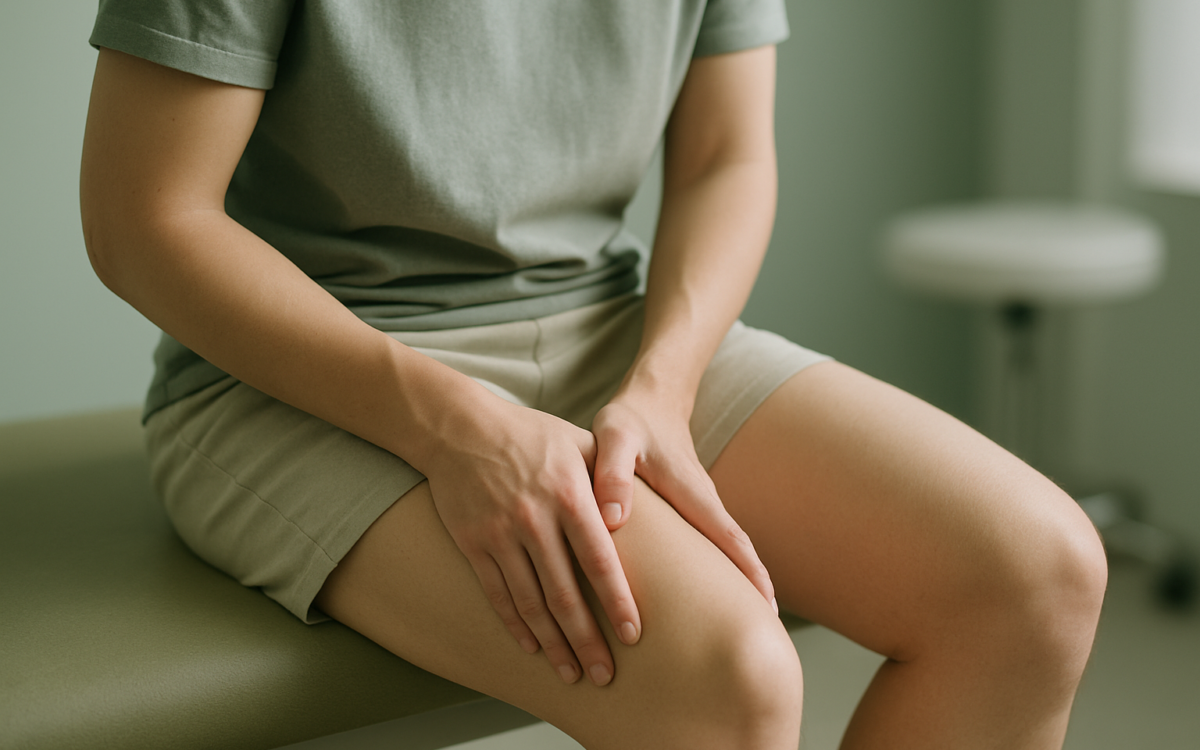
Inner thigh pain is an issue that many people experience at some point in their lives. It can stem from a variety of causes, including injuries, muscle strains, and even conditions affecting nearby joints. Understanding the root of your pain is crucial for finding effective relief and prevention strategies.
Common Causes of Inner Thigh Pain
There are several reasons why you might feel pain in your inner thighs. Some of the most common causes include:
- Muscle Strains: Strains occur when the muscles are stretched too far, leading to tears. This is common in athletes and can happen during activities such as running or jumping.
- Groin Injuries: Groin injuries are specific strains of the adductor muscles, which are located in the inner thigh. These injuries often happen during sports that involve sudden movements, like soccer or basketball.
- Hip Issues: Conditions affecting the hip joint, such as arthritis or bursitis, can refer pain to the inner thigh. If you have pain that radiates from your hip down to your thigh, it’s essential to consider these issues.
- Nerve Compression: Issues like a herniated disc in the lower back may compress nerves that provide sensation to the thighs, potentially causing pain.
Symptoms to Look For
The symptoms of inner thigh pain can vary significantly based on the cause. Common indicators include:
- Sharp or aching pain in the inner thigh
- Swelling or bruising near the groin or thigh
- Limited mobility or difficulty in moving the leg
- Increased pain during certain activities like walking, running, or climbing stairs
Diagnosis and Evaluation
To properly identify the cause of inner thigh pain, a healthcare professional may perform several evaluations. This may include:
- Physical Examination: A thorough assessment will help identify the location and nature of the pain. The doctor will ask about your medical history, recent activities, and any noticeable symptoms.
- Imaging Tests: X-rays, MRIs, or ultrasounds may be recommended to gain insight into the bones and soft tissues surrounding the thigh.
Understanding the diagnosis is crucial because it dictates the appropriate treatment approach.
Treatment Options
Once a diagnosis has been made, various treatment options may be recommended, depending on the cause of the pain. These may include:
- Rest and Ice: For muscle strains, resting the affected area and applying ice can help reduce swelling and relieve pain.
- Physical Therapy: A tailored physical therapy program can strengthen the surrounding muscles, improving stability and function.
- Medications: Over-the-counter pain relievers like ibuprofen or acetaminophen can help alleviate pain and inflammation.
- Surgery: In rare cases, particularly with severe injuries or conditions like a herniated disc, surgical options may be considered.
Home Remedies for Inner Thigh Pain
In addition to medical treatments, there are several home remedies that can help ease inner thigh pain:
- Gentle Stretching: Incorporating gentle stretches can help relieve tension in the inner thigh muscles. Ensure to stretch within your comfort zone.
- Warm Compress: Applying a warm compress can help improve blood flow and reduce stiffness.
- Stay Active: While rest is essential for recovery, light activities or low-impact exercises can help maintain mobility and prevent stiffness.
Prevention Strategies
Preventing inner thigh pain involves understanding your body and making some lifestyle adjustments. Consider the following tips:
- Warm-Up Properly: Ensure you warm up before engaging in sports or intense physical activities. Include stretching exercises to prepare your muscles.
- Strength Training: Focus on strengthening your thigh and hip muscles with targeted exercises to enhance stability and reduce injury risk.
- Listen to Your Body: Pay attention to any discomfort. If you feel pain while exercising, stop immediately to prevent further injury.
When to See a Doctor
If your inner thigh pain persists, worsens, or begins to interfere with your daily activities, it is essential to consult a healthcare professional. Additionally, seek medical attention if you experience:
- Severe or sudden pain
- Swelling or deformity around the groin or thigh
- Inability to put weight on the affected leg
- Persistent numbness or tingling
Conclusion
Inner thigh pain can arise from a variety of causes, and understanding these factors is crucial to finding the right treatment. Whether your pain is due to a simple muscle strain or something more complex, proper diagnosis and management can help get you back on track. Remember, when in doubt, consult a healthcare professional for personalized advice and care.
