
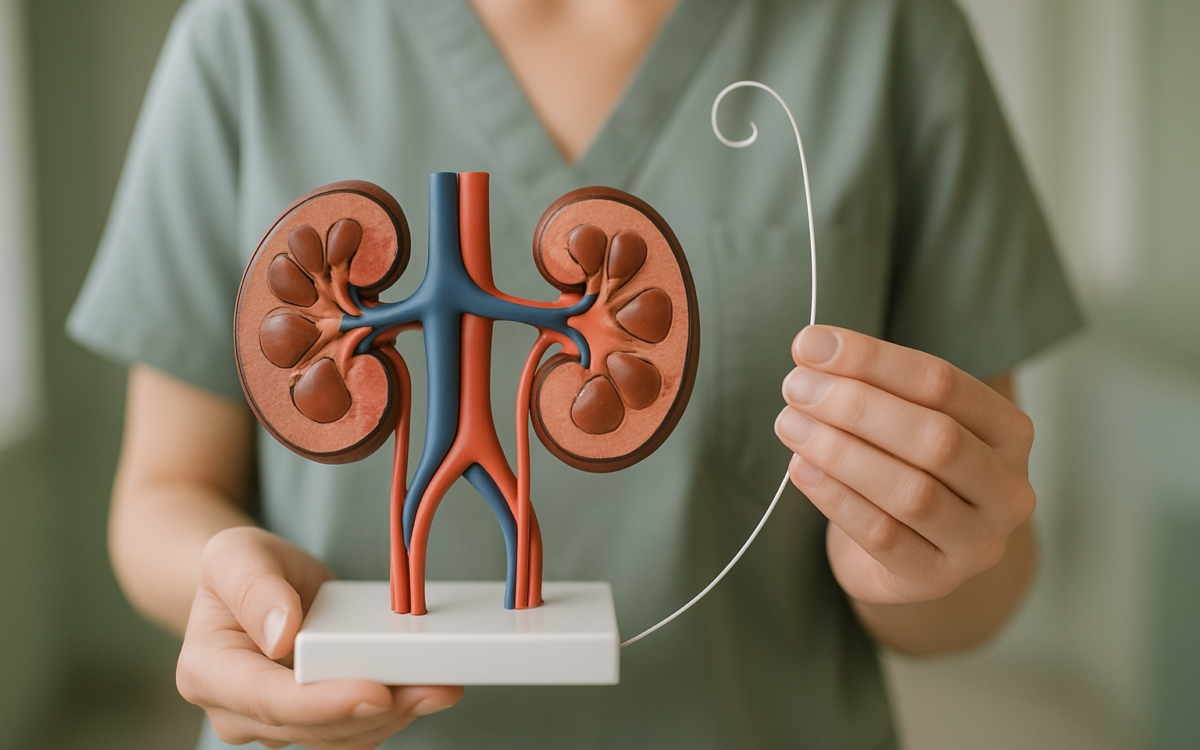
Kidney stents are small, flexible tubes that play a crucial role in managing urinary problems, especially those related to kidney stones or other blockages. Understanding these devices can empower you and help you make informed decisions about your health.
What is a Kidney Stent?
A kidney stent is designed to keep the ureter, the tube that connects the kidney to the bladder, open. This is important because any blockage can lead to painful symptoms and serious complications. By inserting a stent, doctors help ensure that urine can flow freely from the kidney to the bladder.
Why Are Kidney Stents Used?
Kidney stents are typically used in situations where there is a risk of obstruction. Here are a few common reasons:
- Kidney Stones: Large stones can obstruct the ureter, causing pain and infection.
- Urinary Tract Tumors: Tumors can block urine flow and lead to kidney damage.
- Injury or Surgery: After kidney surgery or injury, swelling can cause obstruction.
- Transplant Procedures: Stents can facilitate urine flow after a kidney transplant.
Using stents can prevent complications such as kidney damage, urinary infections, or the need for more invasive treatments.
The Procedure for Placing a Kidney Stent
The process of inserting a kidney stent usually occurs in a hospital or outpatient setting. Here’s a step-by-step overview:
- Preparation: Patients may be asked to avoid food or drink before the procedure.
- Anesthesia: Local or general anesthesia is typically administered to ensure comfort.
- Insertion: A thin tube (cystoscope) is inserted through the urethra to reach the bladder and ureter.
- Placement: The doctor positions the stent in the ureter, ensuring it is secure.
- Recovery: Patients are monitored for a short time before going home. Most people can resume normal activities within a few days.
Overall, the procedure is considered safe, with most people experiencing minimal discomfort.
What to Expect After Stent Placement
After a stent is placed, it’s essential to understand what to expect during the recovery process. Here are some important points:
Common Symptoms
It’s normal to experience mild symptoms such as:
- Discomfort in the lower abdomen
- Frequent urination
- Burning sensation during urination
These symptoms often decrease as you heal. However, it’s vital to monitor them closely.
Follow-Up Appointments
Follow-up appointments are crucial to ensure the stent is functioning correctly. Your doctor will likely schedule a visit within a few weeks after the stent insertion.
Caring for Your Kidney Stent
Proper care and monitoring can help reduce complications. Here are some tips:
- Stay Hydrated: Drinking plenty of water can help flush out your urinary tract.
- Report Symptoms: If you notice increased pain, blood in your urine, or fever, contact your healthcare provider immediately.
- Limited Physical Activity: Avoid strenuous activities as your body heals.
Remember that caring for your stent is essential for a smooth recovery.
When to See a Doctor
If you have a kidney stent, be alert for any concerning symptoms, such as:
- Severe or increasing pain
- Fever or chills, which may indicate an infection
- Blood in urine or dark urine
- Nausea or vomiting
It is always best to consult your doctor if you experience these symptoms. Early intervention can prevent more severe complications related to kidney health.
Conclusion
Kidney stents are valuable tools for managing urinary obstructions, especially in cases related to kidney stones or tumors. While the procedure for placement is generally safe and recovery can be quick, it’s crucial to stay informed and alert to your body’s signals. If you’re facing potential urinary issues, understanding kidney stents can help you navigate your treatment options effectively. Always consult your healthcare provider for personalized guidance on your health.
