
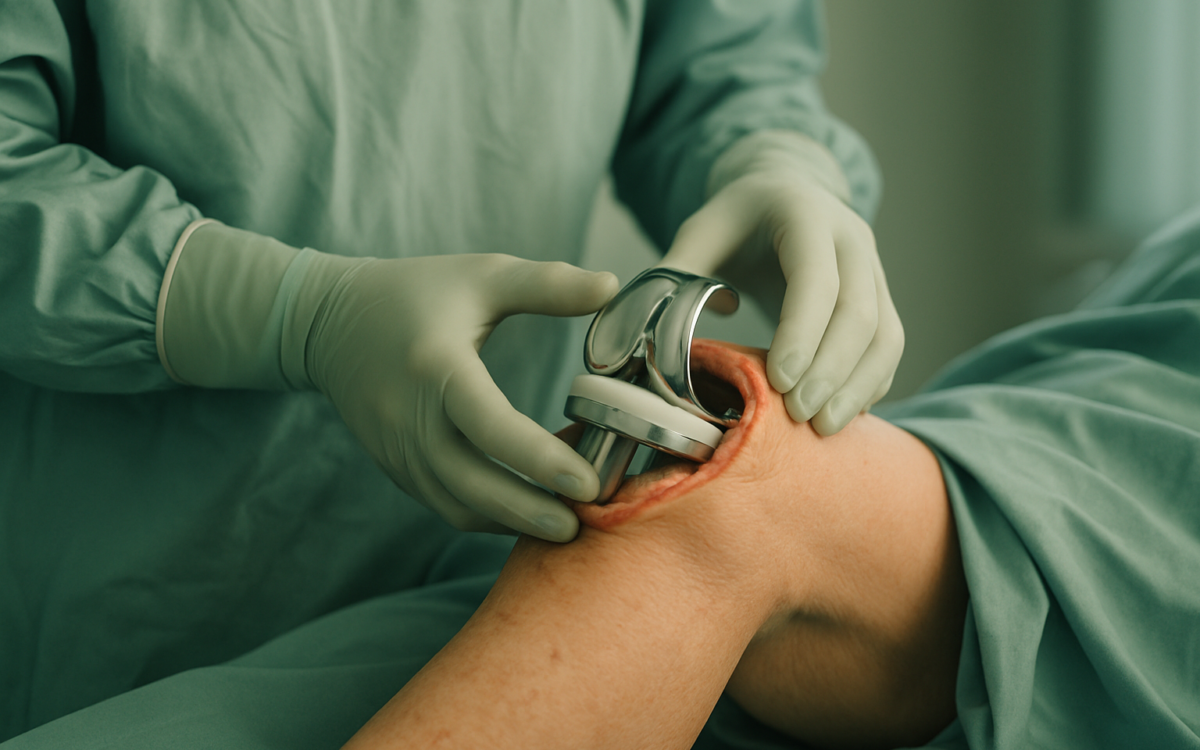
Knee replacement surgery is a significant medical procedure that many people consider when their knees become too painful or rigid for daily activities. It can be a life-changing option for those suffering from debilitating conditions like arthritis, severe injuries, or other knee-related issues. In this article, we will explore what knee replacement surgery entails, the types of procedures available, who qualifies for surgery, recovery expectations, and when you should consult a doctor.
What is Knee Replacement Surgery?
Knee replacement surgery, also known as knee arthroplasty, involves removing damaged cartilage and bone from your knee joint and replacing it with artificial components, or prostheses. There are two main types of knee replacement surgeries:
- Partial Knee Replacement: Only the damaged part of the knee is replaced.
- Total Knee Replacement: Both sides of the knee joint are replaced, making it more common among patients with advanced arthritis.
The goal of this surgery is to relieve pain, improve function, and enhance the overall quality of life for individuals with severe knee issues.
Who Is a Candidate for Knee Replacement Surgery?
Before deciding on knee replacement surgery, it’s essential to consider your specific condition and current health. Ideal candidates often have:
- Severe knee pain that limits everyday activities like walking, climbing stairs, or standing up.
- Arthritis or other knee-related issues that have not improved with other treatments such as medication, physical therapy, or injections.
- Unsuccessful previous knee surgeries.
- Increased difficulty with daily tasks even after adopting an active lifestyle.
Patients are encouraged to discuss with their healthcare provider to ensure they are fully informed about their options, including non-surgical avenues that might be effective.
The Procedure and What to Expect
Knee replacement surgery typically takes about 1-2 hours and is performed under general or spinal anesthesia. The procedure can be broken down into the following steps:
- An incision is made over the knee to access the joint.
- The damaged cartilage and bone are removed from the knee joint.
- The artificial components are placed into the joint, properly aligned to facilitate movement.
- The incision is then closed, usually with stitches or staples.
After the operation, you’ll be taken to a recovery area where medical staff will monitor your vitals and begin the rehabilitation process. Hospitals often emphasize early movement to improve blood flow and reduce the risks of complications.
Recovery and Rehabilitation
Recovery times can vary based on individual health factors and whether you had a partial or total knee replacement. Here’s what you can generally expect during your recovery:
- Initial Recovery: Typically, you’ll spend a few days in the hospital, managing pain and starting physical therapy.
- Rehabilitation at Home: Once discharged, your doctor will continue to encourage physical therapy to regain strength and mobility.
- Timeline: Most patients see significant improvements within six weeks but may take up to three to six months to fully recover.
For many individuals, participating in rehabilitation programs can be essential for a smooth recovery. Considering options offered by medical facilities like acibademinternational.com can provide access to various rehabilitation resources and treatment approaches when looking at international treatment options.
Potential Risks and Complications
As with any major surgery, knee replacement does come with certain risks. Some potential complications include:
- Infection at the surgical site.
- Blood clots in the legs or lungs.
- Persistent pain or swelling in the knee.
- Problems with the artificial joint, including wear and tear or loosening.
It’s important to have a frank discussion with your doctor about these risks, your individual situation, and how to prepare for potential complications.
When to See a Doctor
If you experience ongoing knee pain, swelling, or difficulty moving, it’s time to consult a physician. Early evaluation can lead to better outcomes, whether through non-surgical treatments or discussions about potential knee replacement surgery. Signs to watch for include:
- Severe pain that does not improve with rest or medication.
- Joint swelling that persists despite treatment.
- Stiffness that limits your ability to walk or perform daily tasks.
- Changes in your knee joint such as deformity or difficulty bending.
A healthcare professional can guide you through these symptoms and develop a personalized treatment plan.
Conclusion
Knee replacement surgery can offer significant relief to individuals suffering from debilitating knee conditions. Understanding the procedure, recovery journey, and when to seek medical advice can empower patients in their health journey. Always consult your healthcare provider to explore what’s best for your conditions and ensure you have the most accurate information as you move forward.
