
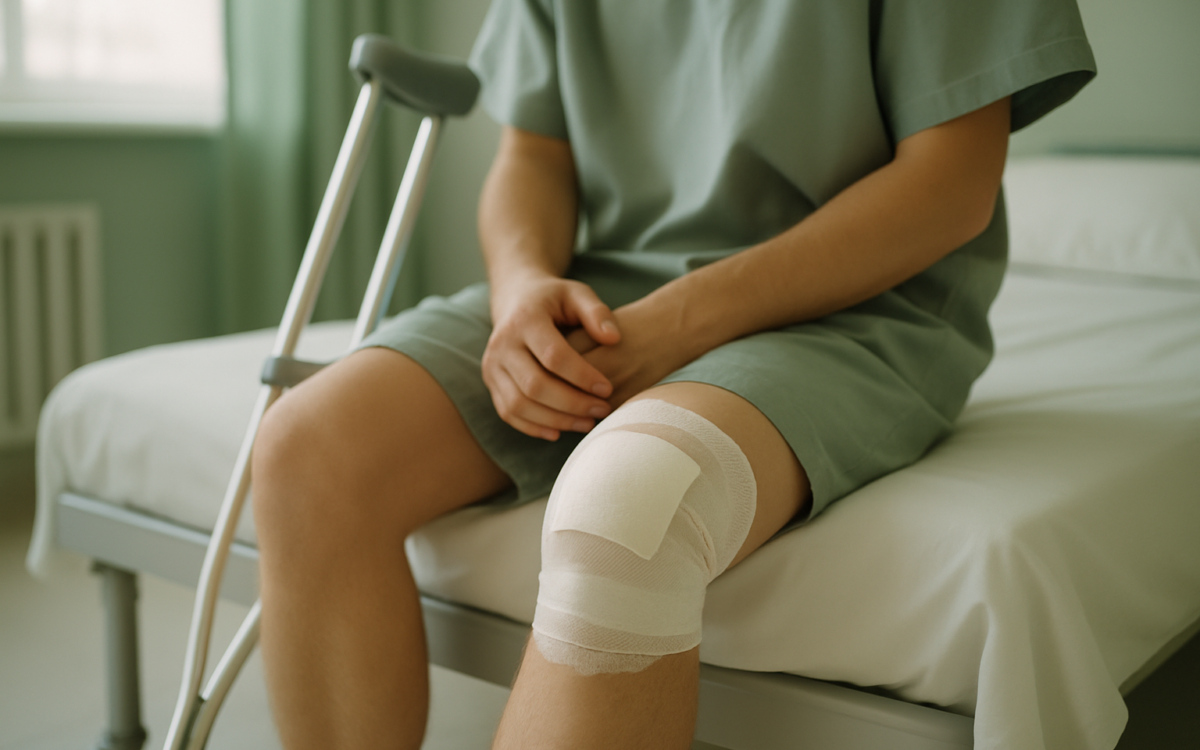
Knee surgery can be a significant step toward alleviating pain and restoring mobility. However, understanding the recovery time is essential for preparing yourself mentally and physically for what lies ahead. Whether you are undergoing arthroscopy, a total knee replacement, or another surgical procedure, various factors will influence how long it takes to heal.
What Influences Recovery Time?
The time it takes to recover from knee surgery can vary greatly depending on several key factors:
- The type of surgery: Different procedures have unique recovery timelines. For example, a minimally invasive arthroscopy often allows for a quicker return to daily activities compared to a total knee replacement.
- Age and overall health: Younger patients or those in better overall health may experience quicker recovery times. Chronic illnesses can complicate the healing process.
- Rehabilitation and physical therapy: Engaging in prescribed rehabilitation exercises can significantly impact recovery speed. The more committed you are to your therapy, the better your results are likely to be.
- Post-operative care: Proper post-surgery care, including pain management and avoiding stress on the knee, can also play a critical role in determining recovery time.
Typical Recovery Timelines
While recovery can vary, here are some general timelines for common knee surgeries:
- Arthroscopic knee surgery: Patients often return to normal activities within a few weeks, typically 1-4 weeks depending on the issue treated.
- Partial knee replacement: Recovery may take 4 to 6 weeks before patients can enjoy routine activities.
- Total knee replacement: A more extensive procedure usually requires 6 to 12 months for full recovery, with significant improvement often noticed in the first 3 months.
What to Expect During Recovery
Each phase of recovery comes with its own set of expectations and challenges:
Immediately After Surgery
Post-operative care starts right after surgery. You may spend a few hours in a recovery room where healthcare professionals monitor vital signs and manage anesthesia effects. During this time, you may also begin gentle movements for your knee.
First Few Weeks
During the initial week or two, it’s common to experience swelling, limited mobility, and discomfort. Ice and elevation can help manage these symptoms. Many patients start physical therapy within the first week, focusing on regaining range of motion and strength.
Weeks Four to Six
As you transition through this phase, expect gradual improvements. Many people can begin walking without crutches or support, though some may still require assistance. Your physical therapist will introduce more intense exercises to strengthen the knee.
Three to Six Months
Most individuals notice a significant reduction in pain and improved function within three months. However, full healing can take longer. Continuing rehabilitation is crucial during this stage as you work towards restoring strength and stability.
After Six Months
By this time, many patients return to recreational activities and experience much less pain. However, some may still need additional therapy or adjustments, especially if they play high-impact sports.
Tips for A Successful Recovery
To ensure the best possible recovery experience, consider these guidelines:
- Follow medical advice: Always adhere to your doctor’s instructions regarding medication, physical therapy, and activity levels.
- Stay active: Engage in light activities and follow your rehabilitation program diligently to enhance recovery.
- Prioritize nutrition: Eating a balanced diet rich in vitamins and minerals can support your body’s healing processes.
- Manage pain effectively: Take prescribed pain relief medications as directed and communicate with your healthcare team if pain persists.
- Be patient: Recovery takes time, and it’s essential to set realistic expectations for your healing process.
Potential Complications
While most recoveries are straightforward, complications can arise. Here are a few to be aware of:
- Infection: Any surgical procedure carries a risk of infection. Follow your doctor’s guidelines about how to care for your surgical site.
- Blood clots: These can develop in the legs after knee surgery. Movement and compression stockings can reduce this risk.
- Persistent pain or swelling: Should these symptoms linger beyond the expected timeframe, consult your physician.
When to See a Doctor
It’s crucial to stay in touch with your healthcare provider throughout your recovery. Seek immediate attention if you experience:
- Severe pain that doesn’t lessen with medication
- Signs of infection, such as fever or drainage from the incision site
- Swelling in the calf or leg
- Persistent instability or inability to bear weight on the knee
Conclusion
Recovering from knee surgery can be a challenging journey, but understanding what to expect can ease your way. Every patient’s experience is unique, and many factors contribute to your recovery time. With appropriate medical guidance, active participation in rehabilitation, and a patient mindset, you can enhance your healing process and look forward to a more mobile future.
For more information on knee surgeries and recovery, visit reputable sources such as the NIH or the Mayo Clinic.
