
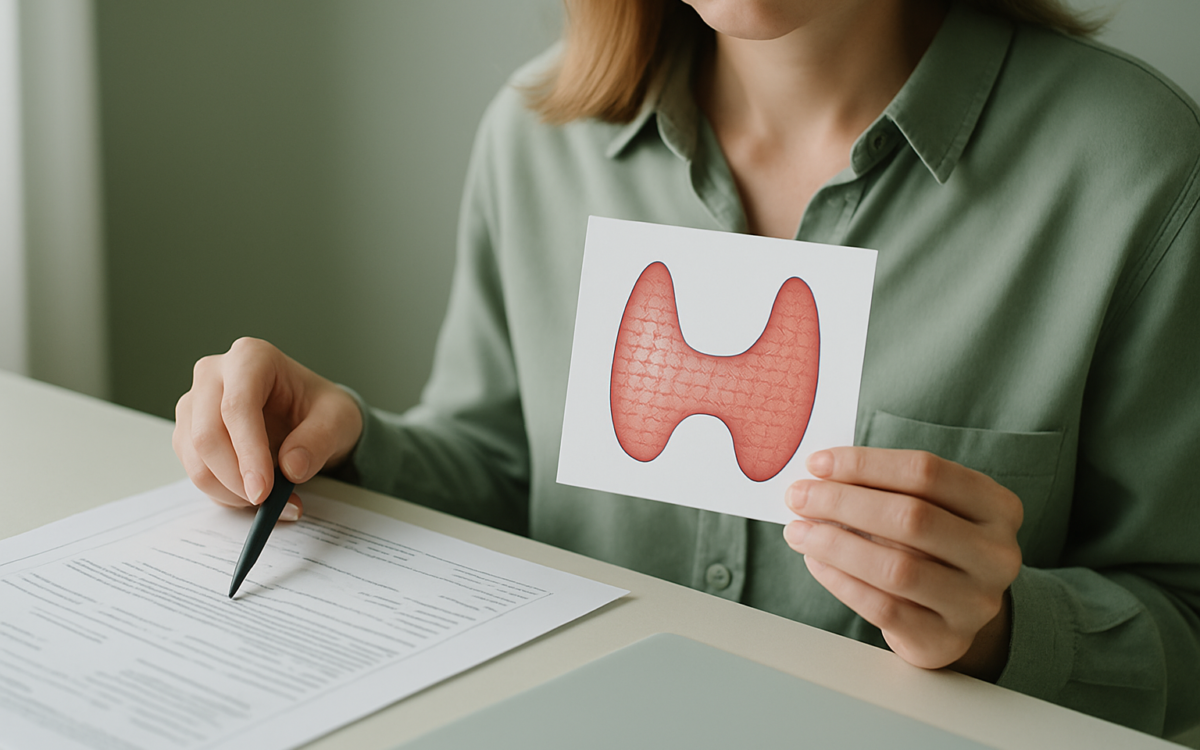
Your body relies on a delicate balance of hormones, and the thyroid gland plays a crucial role in maintaining this balance. One important hormone is thyrotropin, also known as thyroid-stimulating hormone (TSH). When levels of thyrotropin drop, it can indicate various underlying health issues. Understanding low thyrotropin levels is essential for recognizing potential thyroid problems and ensuring overall well-being.
What are Low Thyrotropin Levels?
Thyrotropin, produced by the pituitary gland, helps regulate the production of thyroid hormones. When your body senses low levels of thyroid hormones, the pituitary gland releases more TSH to stimulate their production. Low thyrotropin levels (usually below 0.4 milli-international units per liter) indicate that your thyroid is likely producing too much hormone, a condition known as hyperthyroidism.
Causes of Low Thyrotropin Levels
Understanding what causes low thyrotropin levels is essential for recognizing and managing the underlying conditions. Here are some common causes:
- Hyperthyroidism: The most common cause of low TSH is hyperthyroidism, where the thyroid gland is overactive. This condition can be caused by autoimmune diseases like Graves’ disease, thyroid tumors, or excessive iodine intake.
- Non-thyroidal illness syndrome: Severe illnesses, even those unrelated to thyroid function, can reduce TSH levels. This condition, known as sick euthyroid syndrome, results in temporary hormone level changes.
- Pituitary gland disorders: Pituitary tumors or other disorders affecting the pituitary gland can lead to reduced TSH production, impacting overall thyroid hormone regulation.
- Medications: Certain medications, like steroids or those used to treat hyperthyroidism, can influence TSH levels. Be sure to discuss any medications you’re taking with your doctor.
- Pregnancy: During pregnancy, low thyrotropin levels can be normal due to hormonal changes. However, monitoring is essential to ensure optimal maternal and fetal health.
Symptoms Associated with Low Thyrotropin Levels
Individuals with low thyrotropin levels may experience various symptoms, often related to an overactive thyroid. Some common symptoms include:
- Unexplained weight loss
- Increased heart rate or palpitations
- Anxiety and irritability
- Increased sweating
- Heat intolerance
- Fatigue or muscle weakness
- Difficulty sleeping
If you notice these symptoms, it’s essential to consult with a healthcare professional for further evaluation.
Diagnosis and Testing
Diagnosing low thyrotropin levels typically involves blood tests to measure TSH and thyroid hormones, including thyroxine (T4) and triiodothyronine (T3). The following steps may be part of the diagnostic process:
- Medical history: Your doctor will review your medical history and any symptoms you may be experiencing.
- Blood tests: These tests will help determine the levels of TSH, T3, and T4 in your blood, guiding diagnosis. A low TSH level can indicate hyperthyroidism when accompanied by high levels of T4.
- Additional tests: Depending on the findings, additional tests such as thyroid scans or ultrasound might be necessary to identify any structural issues with the thyroid gland.
Treatment Options
The treatment for low thyrotropin levels depends on the underlying cause. Here are the common treatment approaches:
- Medications: If hyperthyroidism is diagnosed, medications such as antithyroid drugs (like methimazole) may be prescribed. These drugs help reduce the thyroid’s hormone production.
- Radioactive iodine treatment: This treatment destroys overactive thyroid cells, reducing hormone production. It is often effective for hyperthyroidism.
- Thyroid surgery: In some cases, surgical removal of part or all of the thyroid gland may be necessary, especially if a tumor is present.
- Monitoring: For those with transient low TSH levels due to illness or pregnancy, doctors may recommend monitoring without immediate intervention.
Living with Low Thyrotropin Levels
Managing low thyrotropin levels involves not only treating the underlying condition but also making lifestyle adjustments. Here are some tips to consider:
- Follow your healthcare provider’s recommendations: Stay on top of medication or treatment plans prescribed by your doctor.
- Regular check-ups: Schedule routine blood tests and check-ups to monitor your hormone levels.
- Healthy lifestyle: Maintain a balanced diet, exercise regularly, and manage stress to support overall health.
- Educate yourself: Learning about thyroid health can empower you to make informed decisions about your care.
When to See a Doctor
If you experience symptoms such as unexplained weight loss, rapid heartbeat, anxiety, or fatigue, it’s essential to consult with a healthcare professional. Early diagnosis and treatment can help manage symptoms and prevent complications related to low thyrotropin levels. Regular medical check-ups are also crucial for those at risk or with a history of thyroid issues.
In conclusion, low thyrotropin levels can indicate various health issues, with hyperthyroidism being the most common cause. Understanding the symptoms, causes, and treatment options can help you manage your health effectively. Always consult your doctor for personalized advice and a proper diagnosis.
