
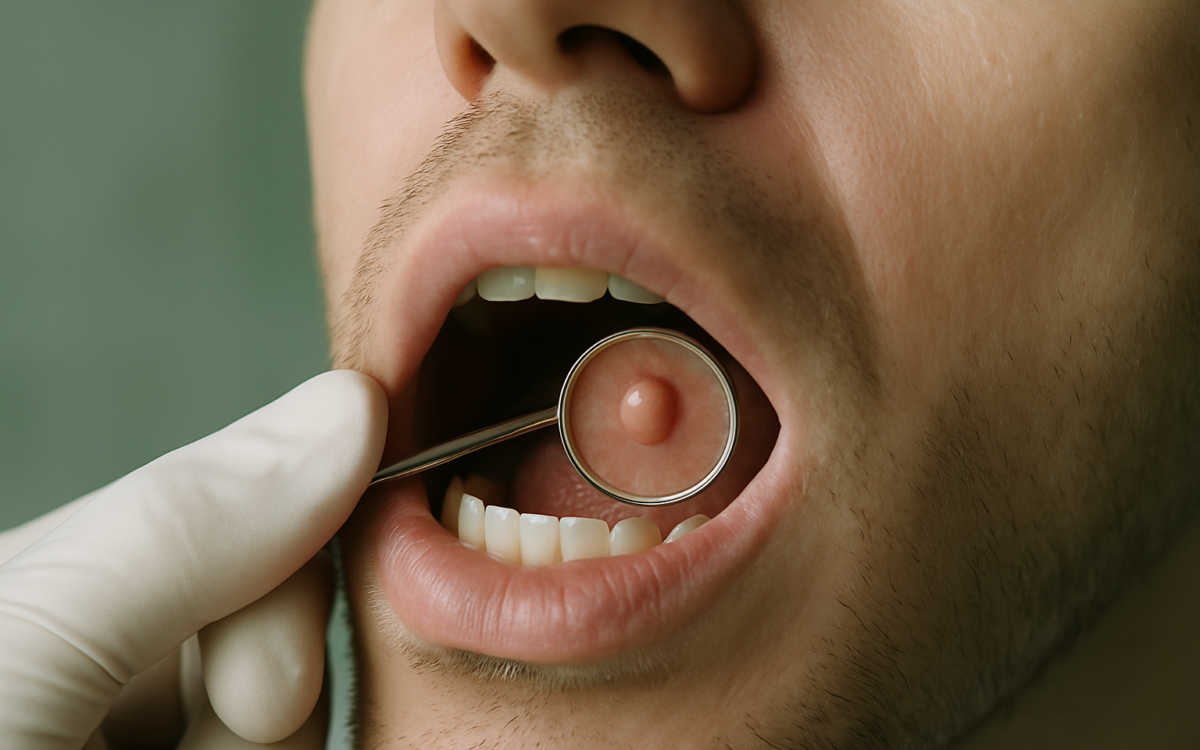
Discovering a lump in your upper mouth can be surprising and often a little unsettling. While not every lump is a cause for alarm, it is vital to understand their potential causes, symptoms, and when to seek medical advice. This article aims to provide an insightful overview of lumps in the upper mouth, guiding you through their common origins and what moves to make if you find one.
What causes lumps on the upper mouth?
Lumps in the upper mouth can arise from various factors, ranging from benign to more concerning conditions. Here are some common causes:
- Mucoceles: These are fluid-filled sacs that usually occur when a salivary gland is blocked. Mucoceles often appear as painless swellings that can vary in size and are most commonly located on the lower lip but can also occur on the upper mouth.
- Fibromas: These benign tumors are composed of connective tissue. Fibromas can develop as a result of irritation or trauma to the mouth and may present as firm, painless lumps.
- Cysts: Similar to mucoceles, cysts can form in various tissues in the mouth. They are usually benign and filled with fluid or semi-solid material.
- Infections: Viral or bacterial infections can lead to swelling and formation of a lump. Infections such as oral thrush, herpes simplex, or even a dental abscess can manifest in the upper mouth.
- Oral cancers: Although less common, lumps in the mouth can also signify more serious conditions like oral squamous cell carcinoma. Early detection is important, so any persistent lump should be evaluated by a healthcare provider.
Symptoms accompanying lumps on the upper mouth
While lumps themselves can vary widely in appearance, accompanying symptoms can provide additional information about their nature:
- Pain or discomfort: If the lump is sore or tender, this may indicate infection or irritation.
- Changes in color: A lump that changes color—like turning red or white—might suggest an infection or a more serious condition.
- Difficulty swallowing: A sizable lump could make it challenging to swallow or speak, requiring further evaluation.
- Bleeding: If you notice bleeding from the lump or nearby areas, this warrants immediate medical attention.
Diagnosis of lumps in the upper mouth
Determining the cause of a lump in your upper mouth usually involves a thorough examination by a healthcare professional. They may consider:
- Physical examination: Your doctor will visually inspect the lump and surrounding areas and may palpate the lump.
- Medical history: Providing a detailed medical history, including any symptoms, prior injuries, or changes in oral health, helps guide the diagnosis.
- Imaging tests: In some cases, imaging tests such as X-rays or CT scans may be necessary to visualize the extent of any issues.
- Biopsy: If a lump raises concern for malignancy, a biopsy may be conducted to analyze the tissue.
Treatment options for lumps on the upper mouth
Treatment will depend on the underlying cause of the lump. Here are some common approaches:
- Observation: If the lump is benign, doctors may recommend simply monitoring it for changes.
- Medications: Anti-inflammatory medications or antibiotics may be prescribed for infections.
- Surgery: If a lump is large, painful, or suspected to be cancerous, surgical removal may be necessary.
- Oral hygiene practices: Maintaining good oral hygiene can help prevent infections and support overall oral health.
Home care and prevention
While professional medical care is essential for lumps that raise concern, there are some steps you can take at home to help protect your oral health:
- Practice good oral hygiene: Regularly brushing twice a day and flossing can prevent infections and oral diseases.
- Avoid tobacco: Smoking or using tobacco products increases your risk for oral cancers and should be avoided for overall oral health.
- Regular dental check-ups: Visiting your dentist regularly can help catch potential issues early, including lumps.
- Stay hydrated: Drinking plenty of water can help keep your mouth hydrated and may reduce the risk of mucoceles and other issues.
When to see a doctor
While most lumps on the upper mouth are benign, certain signs necessitate a prompt visit to a healthcare professional:
- If the lump persists for more than two weeks
- If it grows larger or changes in appearance
- If you experience significant pain, difficulty swallowing, or bleeding
- If you have a lump accompanied by fever or systemic symptoms such as weight loss
Conclusion
A lump in your upper mouth might seem alarming, but many causes are manageable and benign. Understanding the potential origins and symptoms can empower you to seek appropriate medical care when necessary. Always consult a healthcare provider for accurate diagnosis and treatment tailored to your situation. Keeping your oral health in check through hygiene and regular dental visits is equally important for prevention.
