
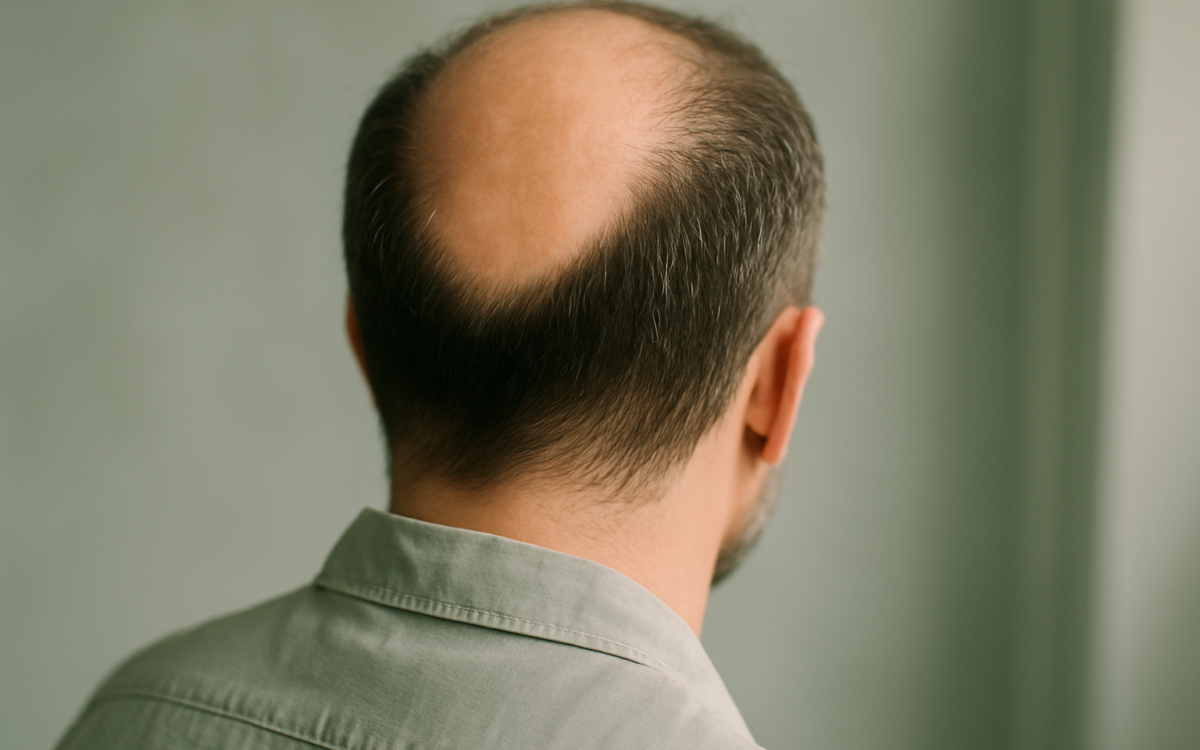
Balding is a concern that many men face as they age, often impacting their confidence and self-image. Understanding the causes of male balding and exploring the options available can empower you to address this common issue. In this article, we’ll dive into the factors contributing to hair loss in men and discuss potential solutions.
What Causes Male Balding?
Male balding, often referred to as male pattern baldness, typically begins in the late teens to early twenties and can continue throughout life. Understanding the root causes is the first step toward managing hair loss.
- Genetics: One of the biggest contributors to male balding is genetics. If your relatives have experienced balding, you may be predisposed as well. This hereditary condition is sometimes called androgenetic alopecia.
- Hormones: Dihydrotestosterone (DHT), a derivative of testosterone, plays a significant role in hair loss. As men age, their hair follicles may become sensitive to DHT, leading to gradual thinning.
- Health Conditions: Certain health conditions, such as thyroid diseases, iron deficiency anemia, and autoimmune disorders, can contribute to hair loss.
- Lifestyle Factors: Poor nutrition, high-stress levels, and lack of sleep can negatively affect hair health.
- Medications: Some medications, including those used for cancer, depression, and heart conditions, may have hair loss as a side effect.
Identifying the Symptoms of Hair Loss
If you’re concerned about male balding, recognizing the symptoms can help you take action sooner. Common signs include:
- Thinning of hair on the scalp, especially at the crown or temples
- A receding hairline
- Widening part
- Excessive hair shedding while combing or washing
Being aware of these signs can prompt you to seek solutions before the condition progresses.
Options for Managing Male Balding
There are a variety of options available for managing male balding. Depending on the severity and your preferences, you can choose from non-invasive treatments, surgical procedures, or even lifestyle changes.
Topical Treatments
Minoxidil is a common over-the-counter solution that can help stimulate hair growth. Applying this topical solution daily can lead to noticeable improvements over time for some men. It’s essential to follow the guidelines provided with the product to achieve the best results.
Medications
Finasteride is a prescription medication that blocks the production of DHT, helping to slow down hair loss. Many men find that combining medications with topical treatments yields better results.
Hair Transplant Surgery
For more permanent solutions, hair transplant surgery can be a viable option. This procedure involves moving hair follicles from areas with thick growth to balding spots. It’s crucial to discuss this option with qualified healthcare professionals and understand the costs involved. For those considering international options, treatment in Turkey has gained popularity for its quality and affordability.
Lifestyle Changes to Support Hair Health
Making certain lifestyle changes can significantly impact the health of your hair. Here are a few tips:
- Nutrition: Eating a balanced diet rich in vitamins and minerals—such as vitamins A, C, D, E, iron, and omega-3 fatty acids—can promote hair health.
- Stress Management: Reducing stress through activities like meditation, exercise, or yoga can help prevent stress-related hair loss.
- Good Hair Care Practices: Avoiding harsh treatments and minimizing heat styling can protect your hair from unnecessary damage.
Myths About Male Balding
There are many myths surrounding male baldness that may confuse or mislead you. Let’s clarify a few:
- Only Older Men Bald: While balding is more common as men age, it can start as early as the late teens.
- Hats Cause Baldness: Wearing hats does not cause hair loss. However, tight-fitting hats can sometimes contribute to traction alopecia.
- Hair Products Cause Baldness: Most hair care products do not lead to hair loss unless they contain harmful ingredients, but excessive use may damage hair.
When to See a Doctor
If you’re experiencing significant hair loss or if it’s impacting your mental well-being, consider seeking advice from a healthcare professional. They can help determine the underlying causes and discuss potential treatments tailored to your needs.
Regular check-ups can be beneficial, especially if you notice rapid hair loss or other symptoms that concern you. Early intervention may provide better outcomes.
Conclusion
Male balding is a common experience for many men, influenced predominantly by genetics and hormonal changes. Understanding the causes and knowing your options can help you manage this issue effectively. Whether you choose to pursue medical treatments, lifestyle changes, or hair transplantation, there are solutions available to help you navigate your hair loss journey with confidence.
