
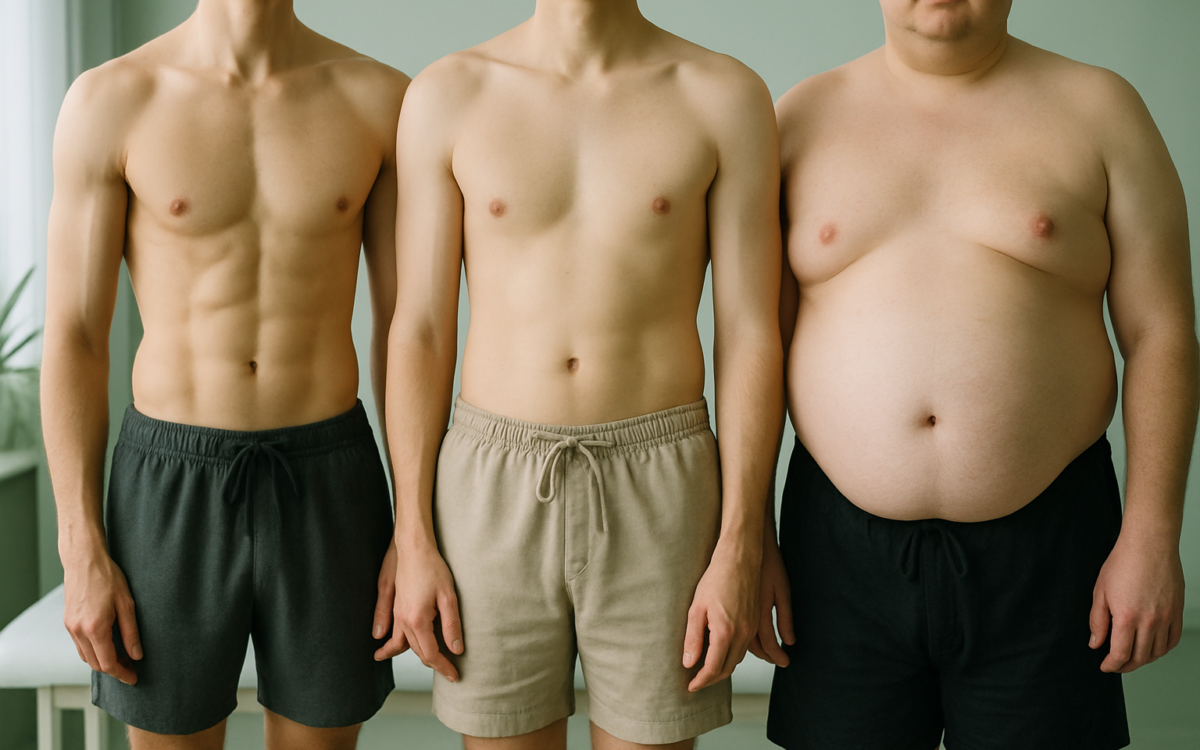
Body types play a significant role in how we perceive ourselves, our health, and how we fit into societal norms. For men, understanding different body types can aid in fitness goals, wardrobe choices, and overall health awareness. In this guide, we’ll explore the most common male body types, their characteristics, and how each type can approach fitness and nutrition.
The Importance of Body Types
Body types, or somatotypes, classify human bodies based on their shape and body composition. The concept was first introduced by Dr. William Sheldon in the 1940s and has evolved over time to help understand how different physiques can impact health and fitness. Recognizing your body type can help you set realistic goals and tailor your diet and exercise accordingly.
Common Male Body Types
There are three primary male body types: ectomorph, mesomorph, and endomorph. Each type has distinct characteristics that can guide men in their fitness and health journeys.
Ectomorph
Ectomorphs are typically characterized by a lean and tall physique. They have narrow shoulders, slim hips, and a fast metabolism, making it challenging to gain weight or muscle. Ectomorphs often have long limbs and lower body fat.
Common Traits:
- Slender frame
- Fast metabolism
- Difficulty gaining weight
Fitness Strategies:
Ectomorphs can benefit from strength training focusing on compound exercises that build muscle mass. They should also consume a higher-calorie diet rich in proteins and healthy fats to support their muscle-building efforts.
Mesomorph
Mesomorphs have a naturally muscular build with wider shoulders and narrow hips. They can gain and lose weight fairly easily, making them well-suited for a variety of sports and physical activities. This body type tends to have a more athletic appearance.
Common Traits:
- Muscular and strong
- Easy to build muscle
- Moderate metabolism
Fitness Strategies:
Mesomorphs should engage in a balanced fitness routine that includes both cardio and strength training. A focus on a well-rounded nutrition plan with adequate protein intake can help sustain their muscle mass and energy levels.
Endomorph
Endomorphs have a rounder or softer appearance, often characterized by wider hips and a greater tendency to store body fat. They may find it easy to gain weight but more challenging to lose it. Endomorphs often have a solid and robust build, which can be beneficial in various sports.
Common Traits:
- Round body shape
- Wider hips
- Slow metabolism
Fitness Strategies:
Endomorphs should focus on a combination of cardiorespiratory training and strength training. Pay attention to a balanced diet low in processed foods and sugars to aid in weight management. Regular physical activity can help maintain a healthy weight.
How Body Types Impact Health
Understanding body types can also shed light on various health issues. Research suggests that different body compositions can lead to varying risks for conditions such as heart disease, diabetes, and metabolic syndrome. For instance, endomorphs may have a higher tendency to develop diabetes due to their body fat distribution.
Studies published by the NIH indicate that body shape—not just weight—plays a critical role in health outcomes. Men with a higher waist circumference and a heavier upper body may be at a greater risk for cardiovascular diseases. This highlights the importance of focusing not just on weight but also on maintaining a healthy body composition.
Nutrition for Different Body Types
Diet plays a crucial role in managing body type-related concerns. Here’s how nutrition can differ based on body type:
Ectomorph Nutrition
Ectomorphs should focus on high-calorie foods, plenty of protein, and healthy fats. This includes foods like lean meats, nuts, avocados, and smoothies.
Mesomorph Nutrition
Mesomorphs benefit from a balanced diet with a mix of protein, carbohydrates, and fats. They need to monitor portion sizes to maintain their physique.
Endomorph Nutrition
Endomorphs should emphasize complex carbohydrates, lean proteins, and healthy fats while being mindful of portion sizes and overall caloric intake.
When to See a Doctor
If you’re unsure about your body type, experiencing trouble with weight management, or facing health issues related to your physique, it might be time to consult with a healthcare professional. They can provide personalized advice based on your body type, metabolism, and overall health strategy.
Conclusion
Understanding male body types can offer valuable insights into personal health and fitness. While genetics play a crucial role in our body shape, lifestyle choices also significantly impact overall well-being. By recognizing your body type and adapting your fitness and nutrition strategies accordingly, you can work towards a healthier, fitter life. Remember that every body is unique, and the key is finding what works best for you.
