
Experiencing hair loss can be a challenging and emotional journey for many men. It not only affects physical appearance but can also impact self-esteem and confidence. Fortunately, various treatment options are available to help manage or stop hair loss. In this article, we’ll explore several effective approaches to male hair loss treatment, from medications to lifestyle changes.
Understanding Male Hair Loss
Before diving into treatment options, it’s essential to understand what causes hair loss in men. The most common type of hair loss is androgenetic alopecia, also known as male pattern baldness. This genetic condition can begin as early as a man’s late teens or early twenties and typically results in thinning hair and receding hairlines.
Other causes of hair loss include stress, hormonal changes, nutritional deficiencies, and medical conditions. Understanding the underlying cause of your hair loss can help guide appropriate treatment.
Over-the-Counter Medications
Two prominent over-the-counter medications have gained popularity for treating male hair loss:
- Minoxidil: Available in liquid or foam, minoxidil is applied directly to the scalp. It works by increasing blood flow to hair follicles, which may help stimulate growth. Many users report seeing results within a few months, but continued use is necessary to maintain any gains. FDA-approved for over-the-counter use, minoxidil can be an excellent option for many men.
- Finasteride: This oral medication, available by prescription, works by blocking the hormone responsible for hair loss. It reduces dihydrotestosterone (DHT) levels in the body, which can help halt hair thinning and promote regrowth. Clinical studies have shown that finasteride can effectively slow hair loss in 80-90% of men when taken consistently.
For more information on these medications, you can refer to resources like the National Institutes of Health.
Prescription Treatments
In addition to over-the-counter options, there are also prescription treatments available for those who may need more intensive intervention. These options typically come from a healthcare professional:
- Minoxidil (high strength): While lower concentrations can be purchased without a prescription, some dermatologists may prescribe higher-strength formulations if over-the-counter solutions are not effective.
- Finasteride: As mentioned earlier, this medication requires a doctor’s prescription and a thorough understanding of potential side effects, which may include sexual dysfunction.
It’s crucial to discuss these treatments with your healthcare provider to ensure they’re appropriate and safe for you.
Hair Restoration Procedures
For those seeking more permanent solutions, hair restoration procedures may be worth considering. Two common surgical options are:
- Hair Transplant Surgery: This procedure involves moving hair follicles from a donor area, typically the back or side of the scalp, to the balding or thinning areas. It can provide natural-looking results and is generally considered a long-term solution.
- Scalp Micropigmentation: This non-surgical procedure involves tattooing tiny dots on the scalp to simulate the look of hair follicles. This can create the appearance of a fuller head of hair, especially for those with extensive baldness.
Before considering surgery, it’s advisable to consult with a specialist to discuss risks and benefits.
Lifestyle Changes and Natural Remedies
In addition to medical treatments, some lifestyle changes can help support hair health:
- Nutrition: A well-balanced diet rich in vitamins and minerals can promote hair growth. Nutrients like biotin, vitamin D, and omega-3 fatty acids are particularly important. Foods such as nuts, fish, green leafy vegetables, and fruits can contribute to overall hair health.
- Reduce Stress: Stress has been linked to hair loss. Engaging in relaxation techniques like meditation, yoga, or exercise can help manage stress levels, potentially reducing hair loss.
- Avoid Harsh Products: Reducing the use of harsh shampoos and styling products can also help maintain healthy hair. Opt for gentle, sulfate-free shampoos and avoid excessive heat from styling tools.
Emerging Treatments and Therapies
Research continues to evolve, and new treatments for male hair loss are on the horizon. Some of the promising options include:
- Low-Level Laser Therapy (LLLT): This non-invasive treatment uses lasers to stimulate hair follicles and may promote hair growth. Evidence suggests it can improve hair density for some users.
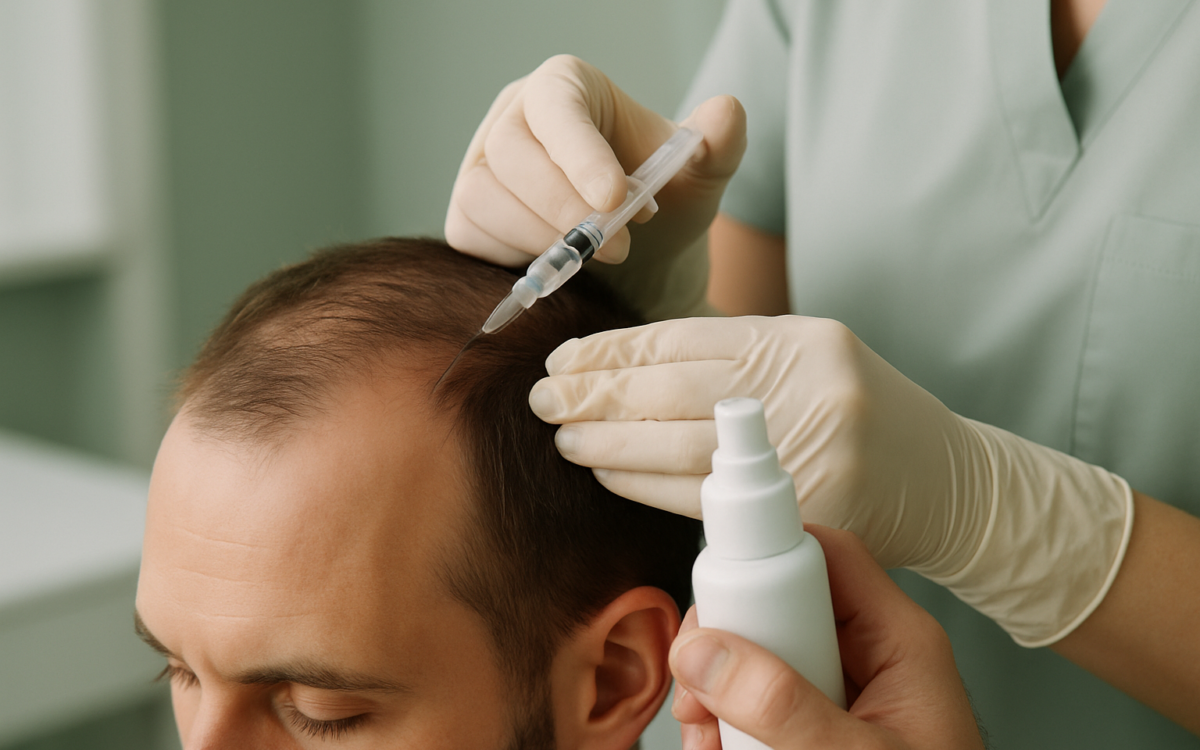
- Platelet-Rich Plasma (PRP) Therapy: This involves extracting a small amount of the patient’s blood, processing it to increase the concentration of platelets, and injecting it back into the scalp to stimulate hair growth.
While these treatments show promise, more research is needed to determine their long-term efficacy. Always consult your healthcare provider before exploring new therapies.
When to See a Doctor
If you experience sudden hair loss, patchy bald spots, or if your hair loss causes emotional distress, it’s important to seek medical advice. A doctor or dermatologist can help determine the cause and recommend appropriate treatments tailored to your needs.
Conclusion
Hair loss can be a difficult issue for many men. However, several treatment options can effectively manage or prevent further loss. Whether you opt for over-the-counter solutions, prescription medications, surgical interventions, or lifestyle changes, the key is to choose what best fits your situation. Keeping an open dialogue with your healthcare provider will help ensure you embark on the right path for your hair health.
