
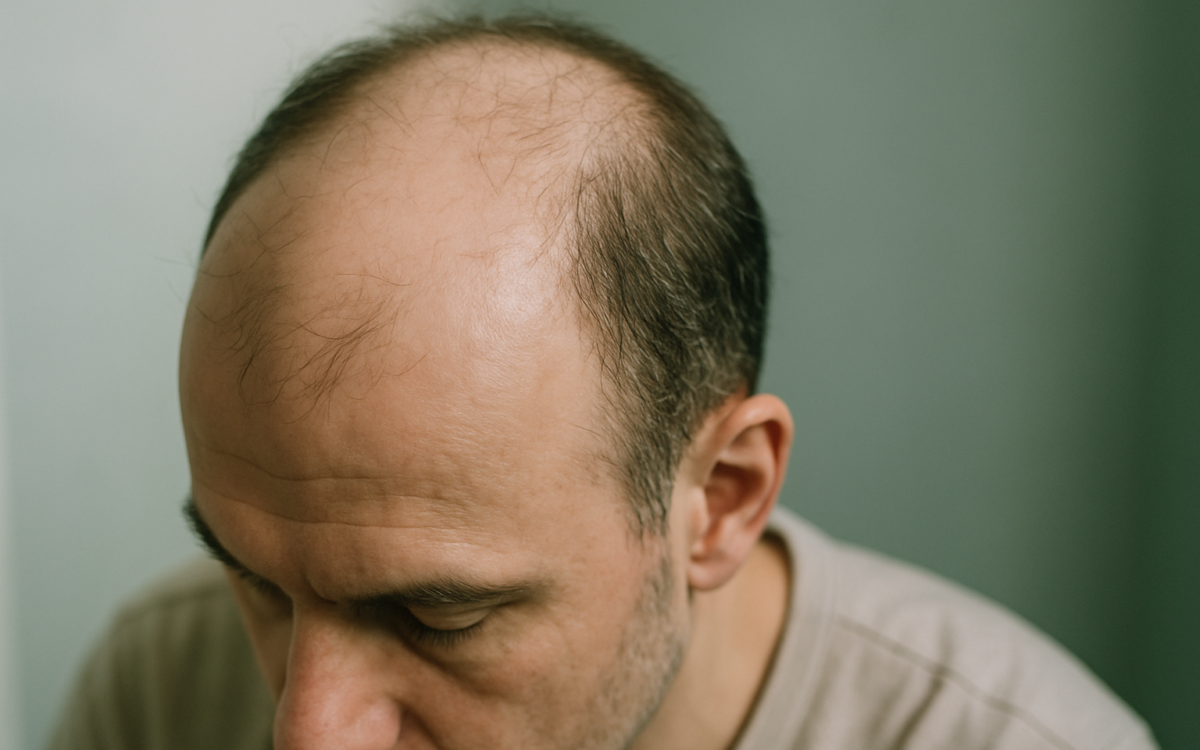
For many men, thinning hair and male pattern baldness can be a source of frustration and concern. Understanding what causes this common condition, as well as exploring treatment options, can empower those affected to take action and feel more confident.
What is Male Pattern Baldness?
Male pattern baldness, clinically referred to as androgenetic alopecia, is a hereditary condition that leads to gradual hair loss. It typically begins in late adolescence or early adulthood and affects many men at some point in their lives. It is characterized by a receding hairline and thinning on the crown of the head. According to the National Institutes of Health, this condition affects approximately two-thirds of men by the age of 35.
Why Does Male Pattern Baldness Occur?
The primary cause of male pattern baldness is a combination of genetics and the influence of hormones, particularly dihydrotestosterone (DHT). DHT is a byproduct of testosterone that can shrink hair follicles and shorten the hair growth cycle. Over time, hair that grows may become thinner and shorter until the follicle stops producing hair altogether. Other factors that can contribute to hair loss include:
- Age: As men get older, the likelihood of experiencing hair loss increases.
- Hormonal Changes: Fluctuations in hormones can impact hair growth.
- Health Conditions: Some medical conditions, like thyroid issues or iron deficiency, may exacerbate hair loss.
Common Signs of Male Pattern Baldness
Identifying the early signs of male pattern baldness can help individuals understand when to seek solutions. Some typical symptoms include:
- A receding hairline that creates an “M” shape.
- Thinning of hair at the crown of the head.
- Progressive hair loss over time.
Often, the hair loss occurs in predictable patterns. Recognizing these changes early can be crucial in addressing concerns about thinning hair.
Treatment Options for Thinning Hair
There are several treatment options available for men experiencing male pattern baldness. The right choice may depend on the severity of hair loss and individual preference. Some of the most common treatments include:
Medications
Two FDA-approved medications are commonly prescribed for hair loss:
- Minoxidil: An over-the-counter topical treatment that can stimulate hair growth and slow down hair loss.
- Finasteride: A prescription medication that blocks the formation of DHT.
Hair Transplant Surgery
This surgical option involves moving hair follicles from areas of the scalp with dense hair to areas that are thinning or bald. This procedure can provide a natural-looking hairline but requires a good candidate and careful consideration.
Lifestyle Changes and Natural Remedies
Some individuals also look to lifestyle changes as potential strategies for managing thinning hair:
- Healthy Diet: Eating a diet rich in vitamins and minerals can promote overall hair health.
- Stress Management: Reducing stress through activities like exercise, mindfulness, or therapy can potentially impact hair growth positively.
- Hair Care Products: Using gentle hair products and avoiding excessive heat or chemical treatments help keep hair healthy.
Emotional Impact of Thinning Hair
Thinning hair and male pattern baldness can have significant emotional effects. Many men feel self-conscious or anxious about how they look. It’s essential to acknowledge these feelings and understand that everyone experiences hair loss differently. Seeking support from friends, family, or even professional counselors can be beneficial. Remember, hair does not define worth or attractiveness.
When to See a Doctor
If you notice significant hair loss or are concerned about changes in your hair, consulting a healthcare provider or dermatologist is recommended. They can provide insight into your specific situation and discuss potential treatments. Additionally, if hair loss is accompanied by other symptoms, such as rash or itching, seeking professional advice is crucial.
Conclusion
Thinning hair and male pattern baldness are common issues for many men. By understanding the causes, recognizing the signs, and exploring various treatment options, individuals can take informed steps toward managing their hair health. Remember that while these changes can be challenging, support is available, and you are not alone in this experience.
