
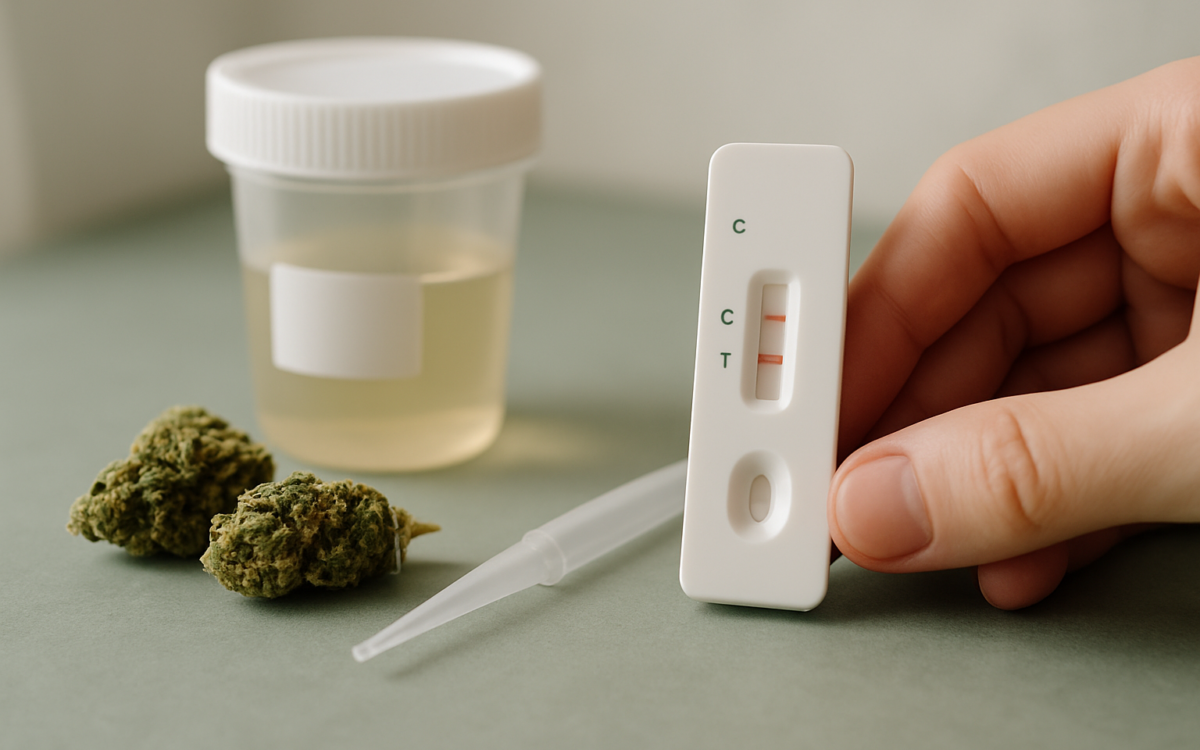
Marijuana, commonly known as weed, is used for various reasons, from recreational enjoyment to medicinal purposes. However, many people who decide to quit using marijuana often wonder how long it stays in their system. This question is particularly important for anyone facing drug tests or seeking to improve their overall health. In this article, we’ll break down the factors that influence how long marijuana can remain in the body after cessation.
How Marijuana is Processed in the Body
When you consume marijuana, the compound responsible for its psychoactive effects is tetrahydrocannabinol (THC). After ingestion, THC enters your bloodstream and binds to cannabinoid receptors in your brain. However, THC doesn’t stay in the bloodstream for long. Instead, it’s metabolized by your liver, converting it into several other compounds.
These metabolites can stay in the body for different lengths of time, especially depending on how frequently and in what amount one has used marijuana. Urine tests typically look for a specific metabolite called THC-COOH, which can linger much longer than THC itself.
The Duration THC Stays in Your System
So, how long does THC actually stay in your system? The answer isn’t straightforward and varies based on multiple factors, including:
- Frequency of Use: Occasional users may find that THC is detectable in their system for a few days to a week. On the other hand, regular users might carry it for weeks or even months.
- Body Fat Percentage: THC is fat-soluble, meaning it can be stored in fat cells. Those with higher body fat may retain THC longer.
- Metabolism: Individuals with faster metabolisms may process THC more quickly than those with slower metabolism rates.
- Hydration and Diet: Adequate hydration and a healthy diet can aid in flushing out toxins from the body, potentially reducing the duration THC remains detectable.
For most occasional users, THC can typically be detected in urine tests for 3 to 10 days after use. Regular users may find that it stays in their system for 2 to 4 weeks, while heavy users might take as long as 30 days or more to clear it completely. This variability can be crucial for those concerned about upcoming drug tests.
Drug Testing Methods and Detection Times
The method of testing plays a significant role in how long THC can be detected. Here are a few common types of drug tests:
- Urine Tests: This is the most common testing method. As mentioned, detection times can vary, often lasting several days to several weeks.
- Saliva Tests: THC can be detected in saliva for about 1 to 3 days for occasional users. However, regular users may show positive results for up to a week.
- Blood Tests: THC typically remains detectable in the bloodstream for up to a few hours after use, but metabolites may show for up to a week.
- Hair Tests: These can detect THC for up to 90 days since hair grows slowly, allowing for longer detection windows.
Considering these differences is essential for anyone planning to quit marijuana and concerned about potential drug testing in the near future.
Health Impacts of Quitting Marijuana
Upon quitting marijuana, many may experience withdrawal symptoms. These can include irritability, sleep disturbances, reduced appetite, and cravings. While uncomfortable, these symptoms generally peak in the first week after quitting and can last for a few weeks.
However, many people report that benefits begin to emerge shortly after quitting. Improved lung function, better mood stability, and overall health enhancement are common among those who stop using marijuana. In some cases, individuals seeking professional help may explore options such as treatment in Turkey or other places, which can offer specialized support during this transition.
Personal Factors Influencing Clearance Time
It’s important to note that individual differences can significantly impact how long THC remains in your system. Age, gender, genetic factors, and overall health contribute to how your body processes THC. Additionally, the type of marijuana consumed (high THC strains versus CBD-dominant strains) can influence detection times as well.
Those with existing health conditions or who are taking medications may experience different metabolic rates as well. Consulting with a healthcare provider can help tailor a more personalized understanding of what to expect.
Cleaning the System: Myth vs. Reality
Some people turn to detox drinks or special diets to expedite the clearing of THC from their systems. However, most over-the-counter detox solutions have not been proven to work effectively. The best approach is to give your body the time it needs to process and eliminate THC naturally.
Staying hydrated, eating well, and engaging in regular physical activity are the most effective ways to support your body during this time.
When to See a Doctor
If you’re experiencing severe withdrawal symptoms, anxiety, or any other health concerns during your cessation period, it’s essential to consult a healthcare provider. They can offer guidance and support to help you through the transition.
Quitting marijuana may come with challenges, but understanding how long THC stays in your system can help you prepare better and optimize your health for the future.
Conclusion
Overall, the duration that marijuana stays in your system after quitting depends on various factors, including frequency of use and individual bodily characteristics. By knowing what to expect, you can make informed decisions for your health journey.
