
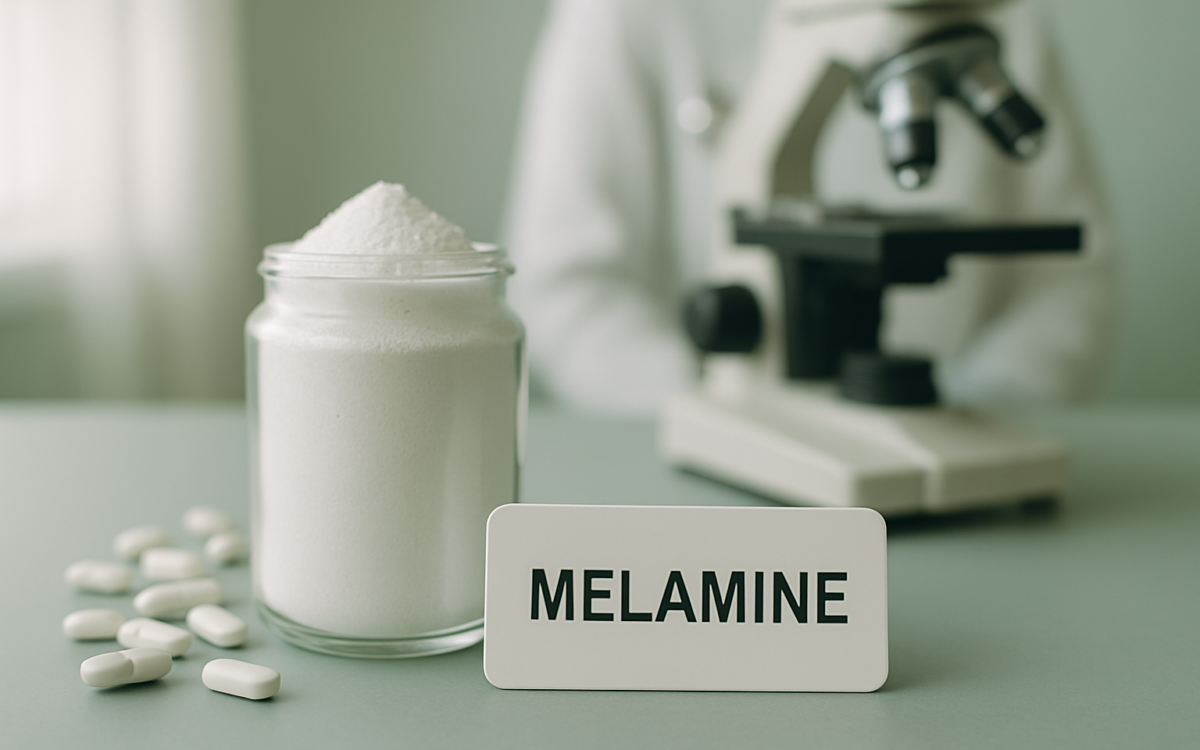
Melamine is a chemical compound that has been making headlines for years, often associated with controversies in food safety and product manufacturing. Although it may sound unfamiliar to many, it’s a substance that plays a role in various everyday products from kitchenware to fertilizers. Understanding melamine—its uses and potential health risks—can empower consumers to make informed decisions.
What is melamine?
Melamine is an organic compound made from carbon, nitrogen, and hydrogen. It is commonly found in the form of a white crystalline powder. This versatile chemical is primarily used in the production of melamine resin, which is a type of plastic known for its durability and heat resistance. Due to these properties, melamine is a favorite choice in the manufacturing of dinnerware, laminate flooring, and even adhesives.
Common uses of melamine
Melamine is found in various sectors and products:
- Kitchenware: Many plastic dishes, bowls, and trays are made from melamine resin due to its strength and ability to resist scratching.
- Furniture and Flooring: Melamine is often used as a coating for furniture surfaces and in laminate flooring for its water resistance.
- Adhesives and Paints: It is also utilized in certain adhesives and paints due to its robust bonding properties.
- Fertilizers: In agriculture, melamine is included in some types of fertilizers to promote plant growth.
Health risks associated with melamine
While melamine has useful properties, it’s also associated with potential health risks, especially when ingested in significant amounts. The most infamous case was in 2008 when melamine-contaminated milk products in China led to severe health crises, including kidney damage in infants. The compound can mimic proteins in the body, leading to misdiagnosis and harming overall health. Here are some key health concerns:
1. Toxicity
Melamine is considered toxic when ingested in high quantities. Exposure can lead to various health issues. For example, when melamine combines with formaldehyde, it can form harmful substances. While small amounts in food packaging or dishes are generally recognized as safe by some health authorities, long-term exposure to higher levels can pose significant health risks.
2. Kidney damage
One of the most serious concerns related to melamine is its impact on the kidneys. Studies have shown that high levels of melamine exposure can lead to kidney stones and other kidney-related issues. The Centers for Disease Control and Prevention (CDC) cautioned about the potential kidney damage associated with melamine ingestion, especially in vulnerable populations, such as infants and children.
3. Allergic reactions
Some individuals may experience allergic reactions to melamine materials, leading to symptoms like skin irritation or respiratory issues. While these reactions are relatively rare, they can significantly affect the quality of life for sensitive individuals.
How to minimize risks associated with melamine
Here are some tips to reduce your risk of exposure to melamine:
- Avoid low-quality products: Purchase kitchenware and other products from reputable brands that adhere to safety standards.
- Follow safety guidelines in food storage: Avoid using melamine dishes in microwave ovens, as heat may cause melamine to leach into food.
- Be cautious with food and milk products: Always check the source of milk and dairy products, particularly for products coming from countries with strict food safety regulations.
Regulatory measures and safety guidelines
Various international organizations and agencies monitor the safety of melamine. The World Health Organization (WHO) has established guidelines for safe consumption levels, and many countries have implemented stricter regulations in response to food contamination crises involving melamine. In the United States, the Food and Drug Administration (FDA) also sets standards regarding melamine in food products and packaging.
When to see a doctor
If you suspect that you or your child has been exposed to high levels of melamine, especially if you experience symptoms like abdominal pain, changes in urination, or skin rashes, it is advisable to consult a healthcare professional. Early detection is crucial in managing and addressing any potential health issues.
Conclusion
Melamine is a widely used compound that has both beneficial properties and potential health risks. By understanding what melamine is, where it’s found, and how to minimize exposure safely, consumers can make informed choices that prioritize their health and well-being. Always stay informed and consult healthcare providers if concerns about melamine arise.
