
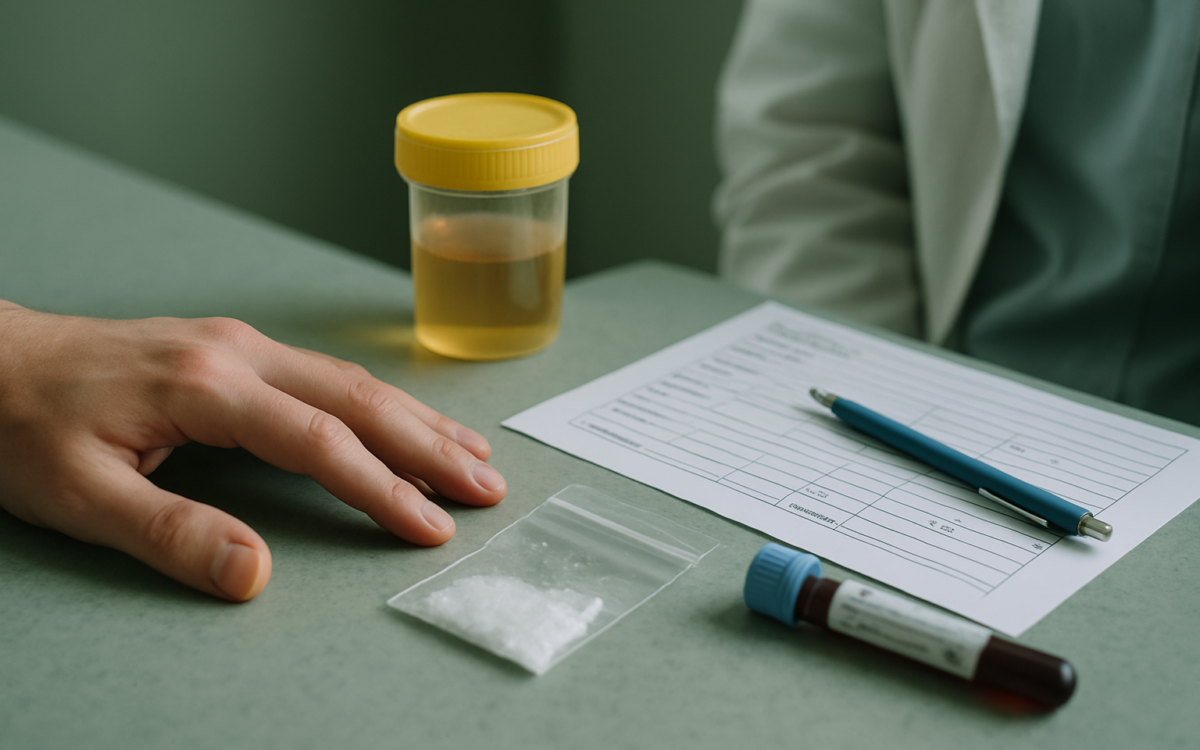
Methamphetamine, commonly known as meth, is a powerful and highly addictive stimulant. It can profoundly affect both the mind and body. Understanding how long meth stays in your system is essential for those using the substance, healthcare professionals, and families coping with addiction. This article will provide a comprehensive overview of drug detection, factors that influence this timing, and considerations for seeking help.
What is Methamphetamine?
Methamphetamine is a synthetic stimulant that affects the central nervous system. It is often found in a white, odorless, bitter-tasting crystalline powder that can be ingested, snorted, smoked, or injected. Due to its high potential for addiction and serious health risks, understanding its metabolic process and elimination from the body is crucial.
How Long Does Meth Stay in Your System?
The duration that meth stays in your system can vary based on several factors, including the method of use, frequency of use, and individual health conditions. Generally speaking, here’s a breakdown of how long meth might be detected in different tests:
- Urine tests: Meth can typically be detected in urine for 1 to 5 days after last use. However, in chronic users, this period can extend up to a week.
- Blood tests: Meth can usually be detected in the blood for up to 12 hours after use. However, some advanced tests may detect it for longer, especially in cases of persistent use.
- Saliva tests: Meth may be detectable in saliva for approximately 1 to 4 days following use.
- Hair follicle tests: In hair strands, meth can be detected for up to 90 days, providing a broader historical overview of substance use.
Factors Influencing Detection Times
Understanding the variability in detection times is critical. Several factors influence how long meth stays in your system:
1. Frequency and Method of Use
The way meth is used can significantly impact how long it remains in the body. For example, those who inject meth may have shorter detection windows compared to those who smoke or ingest it orally. Regular users may also accumulate the drug in their system, leading to longer detection times.
2. Individual Metabolism
Every person metabolizes substances differently. Factors such as age, weight, genetic makeup, overall health, and liver function can all influence the speed at which meth is processed and eliminated from the system.
3. Hydration and Nutrition
Staying well-hydrated and maintaining a balanced diet can support the body’s natural detoxification processes. Dehydration may slow down the elimination of drugs from the body.
4. Co-occurring Disorders
Individuals with various health issues, such as liver or kidney conditions, may process meth differently, affecting how long it stays in their system. If you’re considering international treatment options, consulting facilities like Acibadem International may provide insight into comprehensive care for addiction recovery.
Implications of Detection Times
Understanding how long meth stays in your system has several implications. For individuals looking to overcome addiction, knowledge of these time frames can assist in planning drug screenings, entering treatment programs, or seeking legal support. Moreover, awareness of detection times can inform general knowledge on how drug use may impact professional and personal relationships.
Seeking Help and Support
Regardless of how long meth may remain in your system, addressing substance use with proper support is vital. Many treatment options are available, from outpatient counseling to inpatient rehabilitation programs. It can be challenging to take the first step, but support from healthcare professionals and treatment facilities can guide you towards recovery.
When to See a Doctor
If you or someone you know is using meth or facing challenges related to addiction, it is crucial to seek help. Signs that it may be time to consult a doctor include:
- Experiencing negative physical or mental health effects.
- Struggling to control meth use despite wanting to quit.
- Facing legal or relational issues due to drug use.
- Noticing withdrawal symptoms when not using meth.
A healthcare professional can provide valuable information on treatment options, support programs, and detoxification processes.
Conclusion
Understanding how long meth stays in your system is vital for those grappling with addiction and their loved ones. Awareness of detection times, influencing factors, and available treatment resources can empower individuals on their journey to recovery. If you or someone you care about is struggling with meth use, reaching out to a healthcare provider is a crucial step towards healing and a healthier future.
