
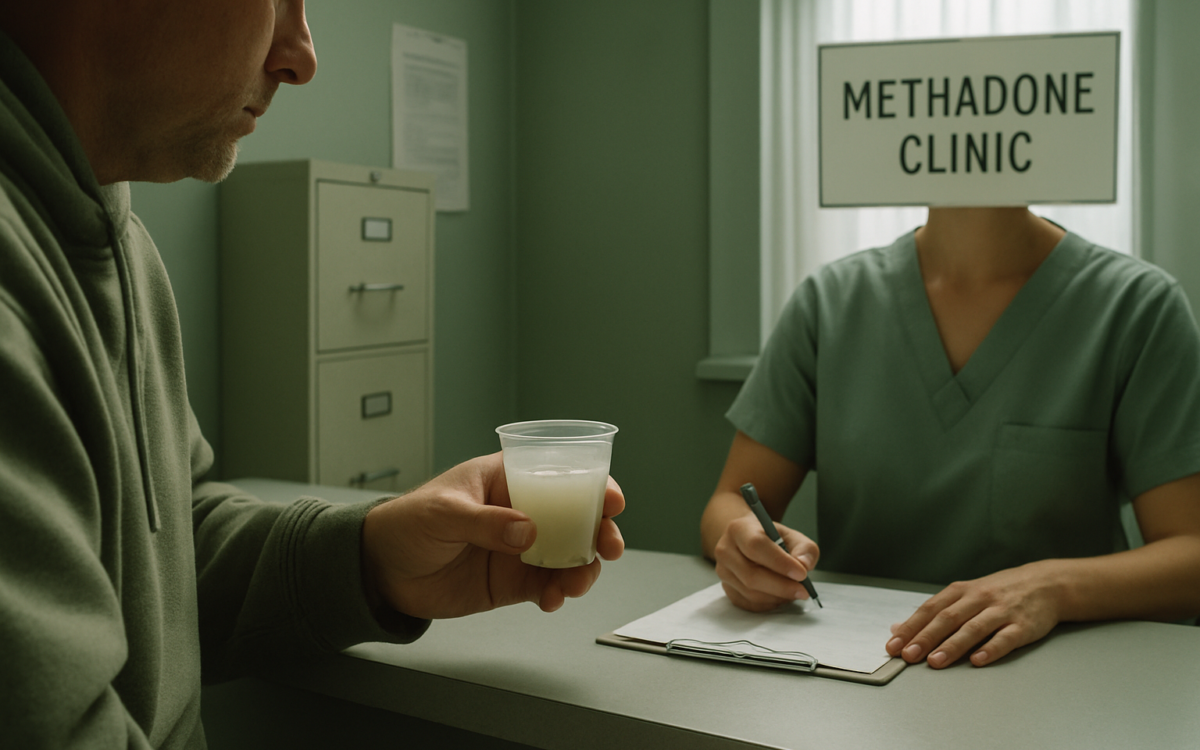
Methadone clinics play a critical role in addressing opioid addiction, providing individuals with a pathway to recovery. For many, the journey toward overcoming substance use disorders begins with finding effective and supportive treatment options. In this article, we’ll explore what methadone clinics are, how they operate, and the essential services they offer to help individuals reclaim their lives.
What is methadone?
Methadone is a long-acting synthetic opioid. It is primarily used as a medication in opioid addiction treatment but can also serve as a pain reliever. By acting on the same opioid receptors in the brain as other opioids, methadone helps to reduce cravings and withdrawal symptoms without producing the same euphoric high associated with stronger opioids like heroin or prescription painkillers.
How do methadone clinics work?
Methadone clinics provide medication-assisted treatment (MAT), which combines the use of medications like methadone with counseling and behavioral therapies. Patients typically visit the clinic daily to receive their medication, especially in the early stages of treatment.
Intake and assessment
When a person first visits a methadone clinic, they undergo a thorough assessment. This process includes understanding their opioid use history, current health status, and any co-occurring mental health issues. The goal is to create a tailored treatment plan that best addresses the individual’s needs.
Medication administration
Once enrolled, patients receive a daily dose of methadone under supervision. This structured approach helps prevent misuse and ensures that patients are using the medication safely. Over time, as individuals stabilize, the clinic may allow less frequent visits and higher self-administration opportunities.
Benefits of methadone treatment
Methadone clinics offer several benefits for individuals struggling with opioid dependence:
- Reduced cravings: Methadone helps minimize the intense cravings that often lead to relapse.
- Withdrawal symptom management: By alleviating withdrawal symptoms, methadone facilitates a more comfortable transition away from opioid use.
- Improved stability: Patients often experience enhanced stability in their lives, including better relationships, job performance, and overall quality of life.
- Comprehensive support: Clinics provide access to essential support services, including counseling and education, which can be crucial for long-term recovery.
Challenges and considerations
While methadone treatment can be highly effective, there are challenges and considerations for individuals and families:
- Stigma: Many people still carry a stigma around methadone treatment, viewing it as substituting one addiction for another. Awareness and education can help combat these misconceptions.
- Long-term commitment: Recovery from opioid dependence can be a long-term journey. Patients must be prepared for the commitment required, which may include long-term or indefinite treatment.
- Side effects: Methadone can have side effects, such as constipation, sweating, and drowsiness. Regular check-ins with medical staff can help manage these issues.
Choosing the right methadone clinic
Selecting a methadone clinic is a significant decision. Here are some factors to consider when evaluating options:
- Accreditation: Ensure that the clinic is accredited and follows state and federal guidelines. This can help guarantee a higher standard of care.
- Services offered: Look for clinics that provide comprehensive treatment options. Those that incorporate counseling, group therapy, and case management may offer added benefits.
- Location: Accessibility can play a crucial role in treatment adherence. Choose a clinic that is convenient, which can help reduce travel barriers.
- Staff qualifications: Research the qualifications of the healthcare professionals at the clinic. The expertise and compassion of the staff can significantly impact a patient’s experience.
Life after treatment
Completing a methadone treatment program does not mark the end of recovery; rather, it can be the beginning of a new chapter. Many individuals choose to continue therapy to support their ongoing mental health and wellness. Building a strong support system, whether through family, friends, or support groups like Narcotics Anonymous, can provide essential encouragement and accountability during the recovery journey.
When to see a doctor
If you or someone you care about is struggling with opioid dependence, consider reaching out to a healthcare provider. Early intervention can lead to better outcomes. Signs that it may be time to seek help include:
- Struggling to cut back or stop using opioids
- Experiencing withdrawal symptoms when not using
- Finding that opioid use is interfering with daily life, work, or relationships
Conclusion
Methadone clinics represent a vital resource for those battling opioid addiction. By providing access to medication, therapy, and supportive services, they help individuals take significant steps toward recovery. Understanding how these clinics operate, their benefits, and the challenges involved can empower individuals and their families to make informed decisions. Opioid addiction is a complex issue, but with the right support and resources, recovery is not just possible—it can lead to a brighter future.
