
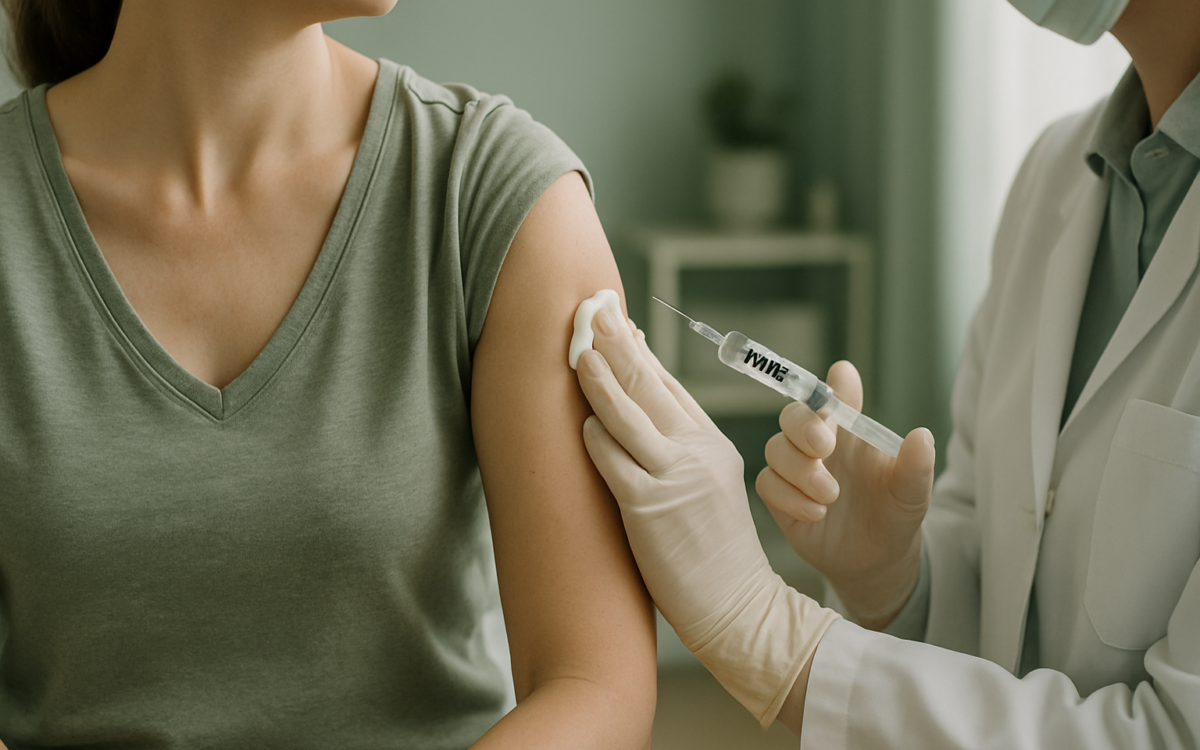
While most childhood vaccinations are well-known, the importance of MMR (measles, mumps, and rubella) vaccination for adults often gets overlooked. Many people believe that once they receive these vaccinations as children, they are set for life. However, adults can also benefit from the MMR vaccine in order to protect themselves and their communities from serious diseases.
What is the MMR Vaccine?
The MMR vaccine is a combination immunization that protects against three viral infections: measles, mumps, and rubella. Each of these diseases can lead to severe health complications, particularly in adults. Measles can cause pneumonia and encephalitis, mumps can lead to orchitis (inflammation of the testicles) and meningitis, and rubella can have devastating effects if contracted during pregnancy, including congenital rubella syndrome in newborns.
Who Should Get the MMR Vaccine?
Vaccination recommendations can vary based on age and health history. The Centers for Disease Control and Prevention (CDC) strongly recommends that all adults consider getting the MMR vaccine if they:
- Were born in 1957 or later.
- Are planning to travel internationally, especially to areas where measles is common.
- Are healthcare workers or work in educational settings.
- Are in contact with young children, pregnant women, or individuals with weakened immune systems.
Many adults who received the vaccine as children still maintain immunity, but some may require a booster to ensure long-lasting protection.
Vaccination History and Checking Immunity
Understanding your vaccination history is crucial in determining whether you need an MMR booster. You can find your vaccination records from your childhood doctor or healthcare provider. Additionally, blood tests can check antibody levels to see if you are still immune.
For adults who are unsure of their vaccination history or have never received the MMR vaccine, it’s important to discuss this with a healthcare professional. They can guide you on whether receiving the vaccine is necessary.
Potential Side Effects and Concerns
Like all vaccines, the MMR vaccine can cause side effects, although most are mild. Common reactions include:
- Fever
- Rash
- Pain at the injection site
- Temporary swelling of the lymph nodes
Serious side effects are rare but can occur. It’s crucial to weigh the risks of vaccination against the potential complications from the diseases the vaccine protects against. Always discuss your concerns with a qualified healthcare provider.
Public Health and Community Immunity
Vaccination isn’t just a personal decision; it’s a public health issue. High vaccination rates contribute to community immunity (herd immunity), which protects those who cannot be vaccinated, such as infants and individuals with certain medical conditions. When fewer people are infected with measles, mumps, and rubella, the spread of these diseases diminishes, safeguarding vulnerable populations.
In recent years, outbreaks of measles and mumps have highlighted the need for continual vaccination efforts in adults. According to the CDC, the best way to prevent these outbreaks is by ensuring that adults are protected through vaccination. Public health campaigns encourage both children and adults to stay updated on their vaccinations.
When to See a Doctor
If you have questions or concerns about your MMR vaccination status, don’t hesitate to reach out to a healthcare provider. They can help you understand your vaccination needs, especially if:
- You are planning international travel.
- You work in a high-risk environment, such as healthcare or education.
- You are considering having children and want to ensure optimal protection.
Taking these steps can safeguard not only your health but also the wellbeing of those around you.
Conclusion
MMR vaccination for adults should not be underestimated. As we learn more about the preventable diseases that can have severe consequences, it becomes ever more important for adults to stay informed about their vaccination status. Speak with a healthcare professional to evaluate your needs and ensure that you are fully protected, contributing to your health and the health of your community.
