
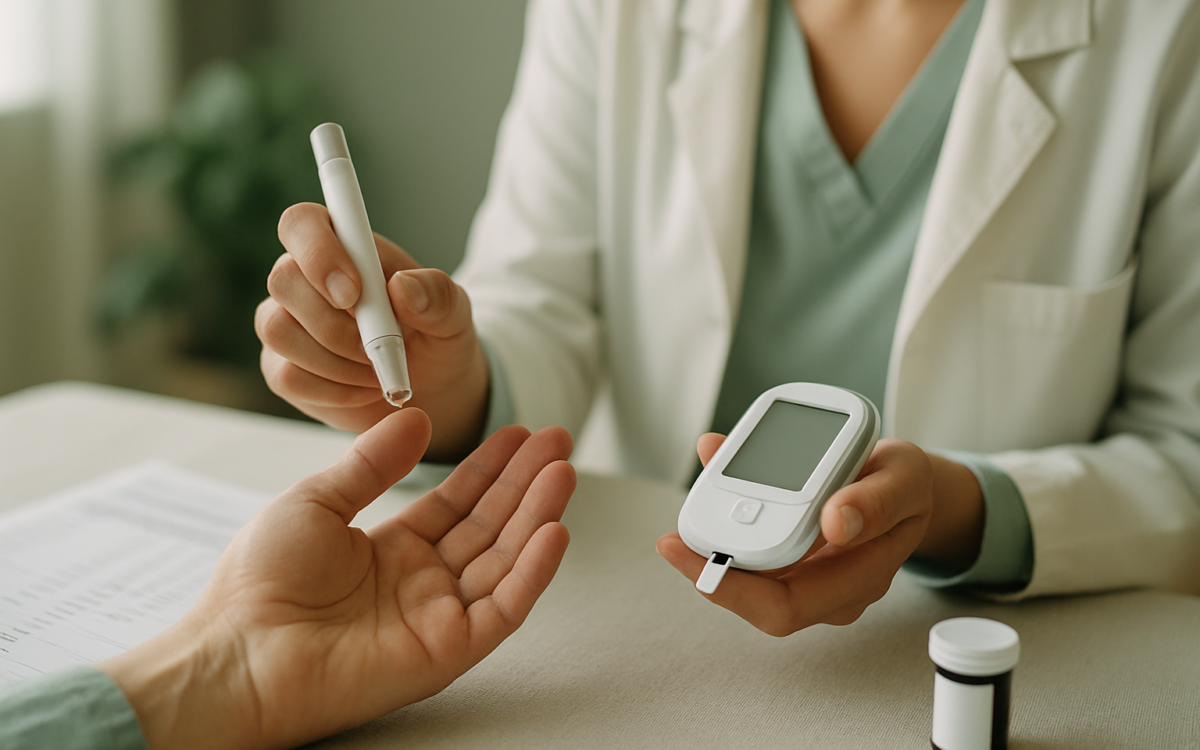
We live in a world filled with medical advancements that can help maintain and improve our health. Among these advancements are monitoring tests, which are crucial in tracking your health status and ensuring that any potential issues are addressed promptly. But what are monitoring tests, and why are they so important?
What Are Monitoring Tests?
Monitoring tests are medical assessments conducted to evaluate a person’s health over time. They can track chronic conditions, measure the effectiveness of treatments, or even detect new health problems. These tests range from simple blood work to complex imaging studies.
Understanding these tests is vital, as they can provide insights into your health that may not be apparent through regular checkups alone. NIH emphasizes that these evaluations can play a role in both prevention and management of diseases.
Types of Monitoring Tests
There are several types of monitoring tests, each serving its unique purpose. Here are a few common ones:
- Blood Tests: These tests can reveal important information about your organs, immune system, and overall health. They can check for cholesterol levels, blood sugar, and various other biomarkers. Regular blood tests are often used to monitor conditions like diabetes or heart disease.
- Imaging Tests: Tests like X-rays, MRIs, and CT scans help visualize the body’s internal structures. They can help monitor conditions related to bones, organs, and tissues, such as cancer or fractures.
- Biopsies: A biopsy involves taking a small sample of tissue for examination. It can help diagnose diseases like cancer or monitor their progression.
- Functional Tests: These tests measure how well the body is working. For example, lung function tests assess respiratory health, while stress tests evaluate heart function during physical exertion.
Why Monitoring Tests Are Important
Monitoring tests serve several significant purposes in health care:
- Early Detection: One of the most important reasons for regular monitoring is the early detection of health problems. Many diseases, such as diabetes and hypertension, can develop silently without noticeable symptoms.
- Treatment Effectiveness: For those living with chronic conditions, monitoring tests help track how well treatment is working. For example, regular blood tests can show whether diabetes medications are effectively managing blood sugar levels.
- Prevention: Routine monitoring tests can help prevent health problems before they start. Regular screenings for conditions like high cholesterol or certain cancers can lead to lifestyle changes or treatments that significantly reduce health risks.
Who Needs Monitoring Tests?
Monitoring tests can be beneficial for everyone, but they are especially important for certain groups:
- People with Chronic Conditions: Those with diabetes, heart disease, or other chronic illnesses often require regular tests to manage their conditions effectively.
- Aging Adults: As we age, the risk of various health issues increases. Regular monitoring can help catch issues early.
- Individuals with Family Histories: If you have a family history of certain diseases, your doctor might recommend that you start monitoring tests earlier than the standard age.
How to Prepare for Monitoring Tests
Preparation for monitoring tests can vary based on the type of test you will undergo. Here are some general tips:
- Consult Your Doctor: Always speak with your healthcare provider about which tests are necessary for you and why.
- Follow Instructions: If fasting is required before a blood test, ensure you follow those guidelines to avoid skewed results.
- Bring a List of Medications: Make a list of any medications and supplements you’re taking, as these can affect test results.
When to See a Doctor
If you notice any unusual health changes, such as persistent fatigue, unexplained weight loss, or changes in appetite — it’s important to consult with your doctor. They can determine whether monitoring tests are required based on your symptoms and medical history. Similarly, getting regular check-ups and following your doctor’s recommendations on monitoring tests is crucial in managing your health.
Conclusion
Monitoring tests are a vital part of preventive health care and disease management. Understanding their purpose and the types available can empower you to take an active role in your health. Whether you’re managing a chronic condition or just want to stay ahead of potential health issues, these tests can provide invaluable insights. Always consult with your healthcare professional to understand which tests are appropriate for you and how often they should be done. For more information, visit the CDC or WHO websites where thorough health guidelines are available.
