
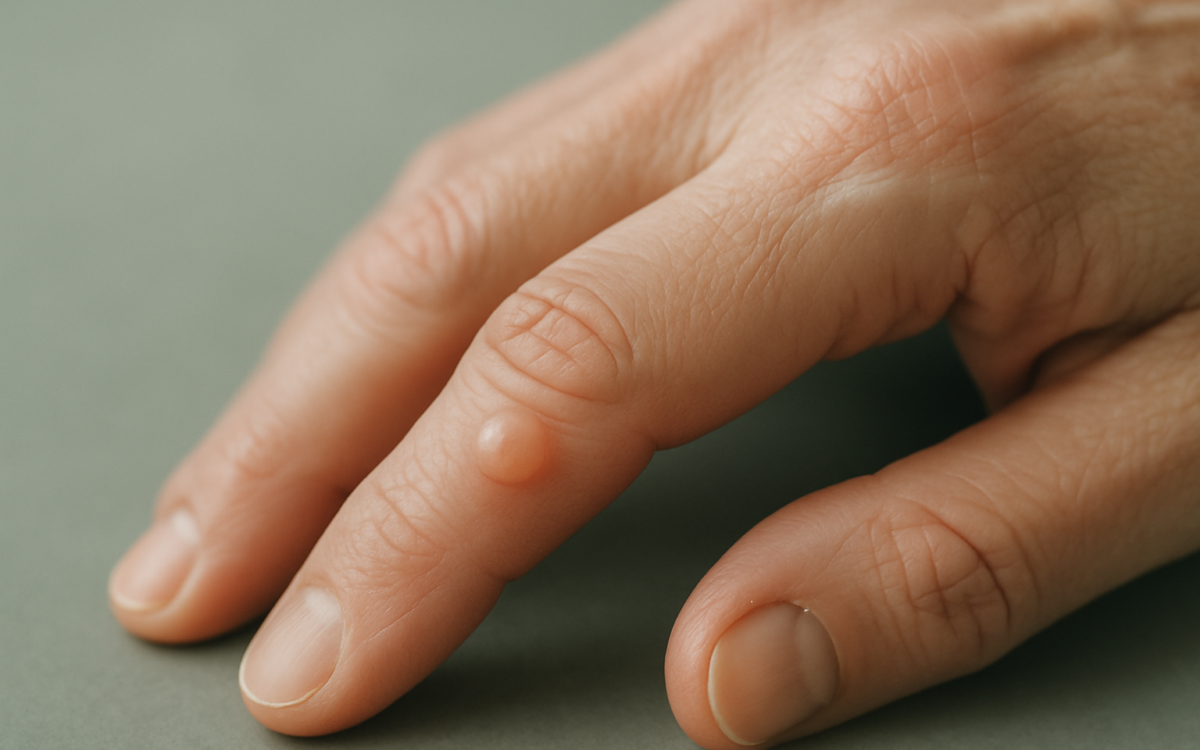
Have you noticed a small, soft bump on your finger or toe? This could be a myxoid cyst, a common yet often misunderstood skin condition. While they are usually harmless, understanding myxoid cysts can help you make informed decisions about your health. This article will explore the nature of myxoid cysts, their causes, symptoms, and treatment options.
What are myxoid cysts?
Myxoid cysts, also known as mucoid cysts, are a type of benign (non-cancerous) growth that typically form on the fingers or toes. They are filled with a jelly-like substance that resembles mucus, giving them a distinctive appearance. These cysts can vary in size and may range from a few millimeters to over a centimeter in diameter. Though they can be unsightly, they are generally not dangerous.
Causes and risk factors
The exact cause of myxoid cysts is not well understood, but they often develop in association with degenerative joint disease, especially in the joints of the fingers. Some potential contributing factors include:
- Joint injuries: Previous injuries to the finger joints can lead to the formation of these cysts.
- Arthritis: Conditions like osteoarthritis may increase the risk of developing myxoid cysts due to changes in the joint tissues.
- Age: Myxoid cysts are more commonly seen in adults, particularly those over the age of 40.
Although anyone can develop a myxoid cyst, those with underlying joint issues may be at heightened risk.
Signs and symptoms
Myxoid cysts are usually asymptomatic, meaning they don’t cause pain or discomfort. However, some individuals may experience symptoms such as:
- Visible lump: The most noticeable sign is the presence of a soft, fluid-filled lump on the skin, typically located near a joint.
- Skin changes: The skin over the cyst may appear shiny, discolored, or thin.
- Discomfort: In some cases, the cyst can press on nearby nerves, leading to discomfort or tenderness.
It’s essential to monitor any changes in the cyst, as unusual growth patterns may require further evaluation.
Diagnosis of myxoid cysts
Diagnosing a myxoid cyst usually involves a physical examination by a healthcare professional. They will assess the cyst’s appearance, size, and location. In some cases, imaging tests like ultrasound or MRI may be ordered to confirm the diagnosis or rule out other conditions. Healthcare providers are trained to differentiate between a myxoid cyst and other types of cysts or tumors, ensuring accurate identification.
Treatment options
Treatment for myxoid cysts is not always necessary, especially if they aren’t causing discomfort or cosmetic concerns. However, if the cyst is bothersome or recurrent, several treatment options are available:
- Observation: Many times, simply monitoring the cyst is sufficient, especially if it’s not causing issues.
- Injection: Corticosteroid injections can help reduce inflammation and may shrink the cyst.
- Surgical removal: If the cyst is painful, bothersome, or recurrent, a healthcare provider may recommend removing it surgically. This procedure typically involves excising the cyst along with the underlying tissue to minimize the chance of recurrence.
After any treatment, follow-up care is essential to monitor for potential complications or recurrence of the cyst.
Complications and concerns
Myxoid cysts are generally benign, but there are some aspects to consider:
- Recurrence: Even after removal, myxoid cysts can sometimes come back, particularly if the underlying cause is not addressed.
- Infection: Although rare, cysts can become infected, leading to pain, redness, and swelling.
- Emotional impact: Some people may feel self-conscious about the appearance of their cyst, which can affect their self-esteem.
Understanding these complications can help individuals make informed choices about their treatment options and the importance of discussing any concerns with their healthcare providers.
When to see a doctor
If you notice a lump on your finger or toe that causes pain, discomfort, or other changes, it’s a good idea to consult a healthcare professional. Seek medical attention if:
- The cyst grows rapidly.
- It becomes increasingly painful or tender.
- There is redness or drainage, indicating a potential infection.
It’s always better to err on the side of caution when it comes to your health.
Conclusion
Myxoid cysts may appear concerning, but they are usually harmless and manageable with the right approach. By understanding the nature of these cysts, their causes, symptoms, and treatment options, you empower yourself to seek appropriate medical advice. If you have any concerns or notice changes in your skin or health, don’t hesitate to consult a healthcare provider for personalized guidance. For more information, you may visit trustworthy sources like the National Institutes of Health or Mayo Clinic.
