
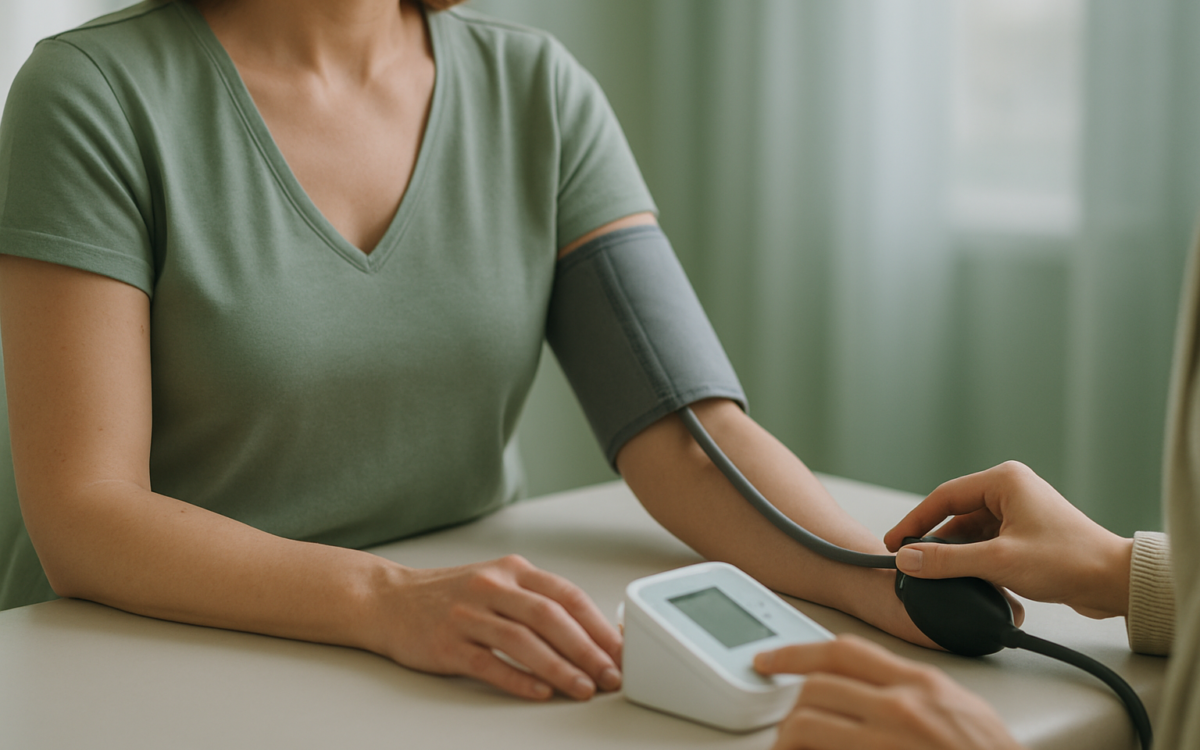
Blood pressure is a crucial indicator of overall health, yet many women may not fully understand what constitutes a normal blood pressure range. Recognizing and maintaining this important health metric can be vital for reducing the risk of cardiovascular diseases and other complications. In this article, we’ll explore what normal blood pressure looks like for women, factors that can influence it, and practical tips for monitoring and maintaining healthy levels.
What is Normal Blood Pressure?
Blood pressure is measured in millimeters of mercury (mmHg) and is expressed as two numbers: systolic and diastolic. The systolic pressure (the upper number) measures the pressure in your arteries when your heart beats. The diastolic pressure (the lower number) gauges the pressure in your arteries when your heart rests between beats.
According to guidelines from the American Heart Association, a normal blood pressure reading for adults is typically around 120/80 mmHg. However, it’s important to note that normal ranges may slightly vary depending on age and other factors.
Normal Blood Pressure Ranges for Women
While the standard threshold of 120/80 mmHg applies to women, here’s a breakdown of blood pressure categories:
- Normal: Less than 120/80 mmHg
- Elevated: Systolic between 120-129 and diastolic less than 80
- Hypertension Stage 1: Systolic between 130-139 or diastolic between 80-89
- Hypertension Stage 2: Systolic 140 or higher or diastolic 90 or higher
- Hypertensive Crisis: Systolic over 180 and/or diastolic over 120 (seek immediate medical attention)
Understanding these categories can help women monitor their blood pressure and take proactive steps to maintain it within a normal range.
Factors Affecting Blood Pressure in Women
Several factors can influence blood pressure in women. Some of these include:
1. Age
As women age, hormonal changes can lead to variations in blood pressure. For instance, blood pressure often rises after menopause due to changes in body composition and vascular health.
2. Lifestyle Choices
Diet, physical activity, and lifestyle habits can greatly impact blood pressure. A diet high in sodium, saturated fats, or processed foods can contribute to higher blood pressure. Conversely, a balanced diet rich in fruits, vegetables, whole grains, and lean proteins can help maintain healthy levels. Regular physical activity also plays a significant role in controlling blood pressure.
3. Stress
Chronic stress can lead to temporary increases in blood pressure. Finding effective ways to manage stress, such as through mindfulness, yoga, or relaxation techniques, may help keep blood pressure in check.
4. Health Conditions
Certain health conditions, such as obesity, diabetes, and kidney disease, can affect blood pressure. Women who have a family history of these conditions should be particularly mindful of their blood pressure levels.
Monitoring Your Blood Pressure
Regular monitoring is crucial for understanding and managing blood pressure. Women should consider the following tips:
1. Home Blood Pressure Monitoring
Using a home blood pressure monitor can help track your readings over time. It’s important to follow the manufacturer’s instructions and use the device at the same time each day for consistency.
2. Regular Check-Ups
Routine visits to the doctor for check-ups can help identify any changes in blood pressure. Discuss your readings with your healthcare provider to determine if any lifestyle changes or medications are necessary.
3. Keep a Journal
Maintaining a record of your blood pressure readings can help identify patterns that may need attention. Note the date, time, and any relevant factors that could influence your readings, such as diet or stress levels.
Tips for Maintaining Healthy Blood Pressure
There are several lifestyle changes that can help women maintain healthy blood pressure:
1. Eat a Balanced Diet
Focus on eating whole, minimally processed foods. The DASH (Dietary Approaches to Stop Hypertension) diet emphasizes fruits, vegetables, lean protein, whole grains, and low-fat dairy.
2. Stay Active
Aim for at least 150 minutes of moderate aerobic activity each week, such as brisk walking, cycling, or swimming.
3. Limit Alcohol and Avoid Tobacco
Limiting alcohol intake and avoiding tobacco products can significantly influence blood pressure and overall health.
4. Manage Stress
Incorporate stress-reducing techniques into your daily routine, such as deep breathing, meditation, or yoga.
When to See a Doctor
If you consistently record high blood pressure readings (130/80 mmHg or above), it’s essential to consult a healthcare professional. Additionally, seek medical advice if you experience symptoms such as severe headaches, chest pain, or shortness of breath, which could be signs of a hypertensive crisis or other serious conditions.
Conclusion
Maintaining normal blood pressure is essential to a woman’s overall health and well-being. By understanding what constitutes normal levels and the factors that influence blood pressure, women can take proactive steps toward healthy living and reducing their risk of cardiovascular disease. Regular monitoring and lifestyle choices play vital roles in this journey. For personalized guidance, consult your healthcare provider for the best practices that fit your unique needs. For more information about blood pressure, you can visit CDC and Mayo Clinic.
