
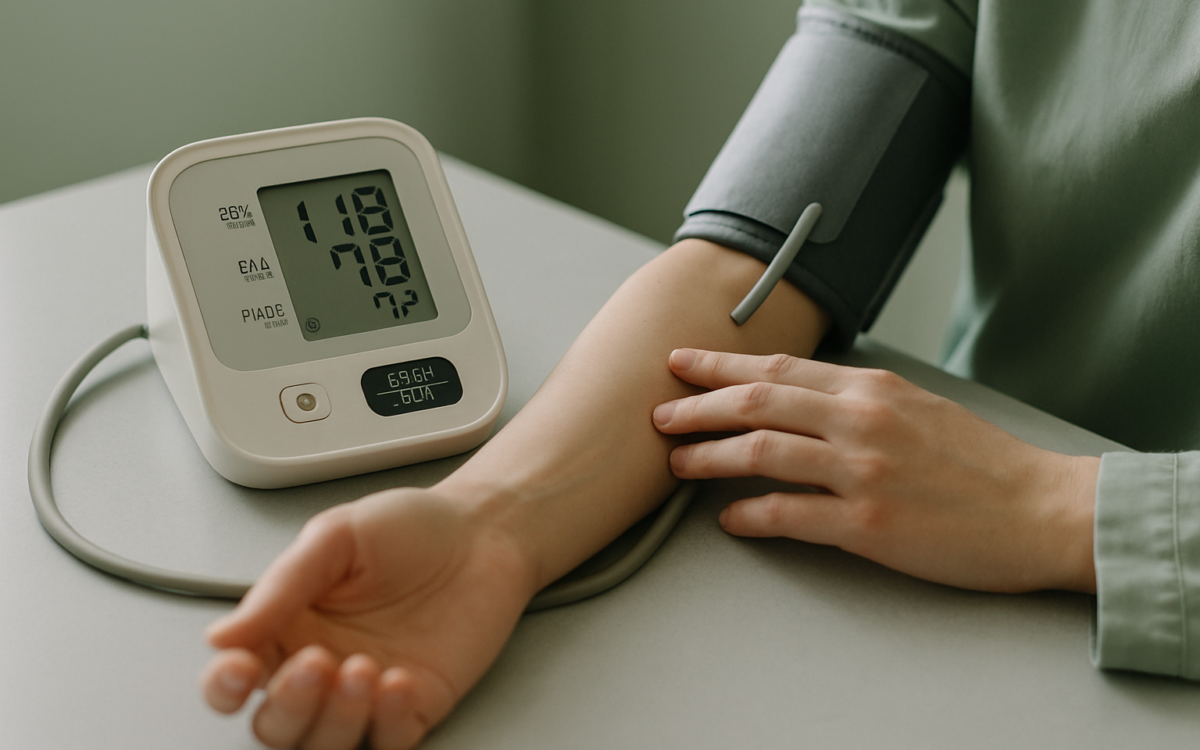
Blood pressure is a vital sign that tells us a lot about our heart and overall health. It’s often measured during routine medical check-ups and can fluctuate based on a variety of factors, including your diet, physical activity, and stress levels. But what does it mean to fall within the “normal” blood pressure range, and why is this figure so significant? Let’s explore this topic further.
What is Blood Pressure?
Blood pressure is the measure of the force of blood against the walls of your arteries. It is represented by two numbers: systolic pressure (the first, higher number) and diastolic pressure (the second, lower number). Systolic pressure indicates the pressure in your arteries when your heart beats, while diastolic pressure measures the pressure when your heart is at rest between beats.
Normal Blood Pressure Range
The normal blood pressure range for adults is typically defined as anything below 120/80 mmHg. Here’s a breakdown:
- Normal: Less than 120/80 mmHg
- Elevated: Systolic between 120-129 and diastolic less than 80
- Hypertension Stage 1: Systolic between 130-139 or diastolic between 80-89
- Hypertension Stage 2: Systolic 140 or higher or diastolic 90 or higher
- Hypertensive Crisis: Systolic over 180 and/or diastolic over 120. Immediate medical attention is needed.
These categories help healthcare providers determine the right course of action to maintain heart health. You can find more detailed information on blood pressure categories from reputable sources like the CDC.
Factors Affecting Blood Pressure
Several factors play a role in determining your blood pressure levels, including:
- Age: Blood pressure tends to increase as you age.
- Weight: Being overweight or obese can increase blood pressure.
- Genetics: Family history of hypertension can put you at higher risk.
- Diet: High sodium intake, low potassium intake, and excessive alcohol consumption can lead to elevated blood pressure.
- Physical Activity: Sedentary lifestyles contribute to higher blood pressure.
- Stress: Chronic stress can affect your blood pressure over time.
Understanding these risk factors is essential for maintaining a normal blood pressure range. Lifestyle changes can often play a significant role in managing and improving your blood pressure.
Why Maintaining a Normal BP Range is Important
Maintaining a normal blood pressure range is vital for reducing the risk of heart disease, stroke, and kidney problems. Hypertension, or high blood pressure, often presents no symptoms, making it a silent threat. Long-term uncontrolled hypertension can damage blood vessels, leading to serious health issues.
According to the World Health Organization (WHO), approximately 1.13 billion people worldwide have hypertension, with less than 1 in 5 having it under control. This emphasizes the importance of regular monitoring and proactive management of blood pressure.
How to Monitor Your Blood Pressure
Monitoring your blood pressure can be done in several ways:
- At Home: Home blood pressure monitors are available for personal use. They can be an effective way to keep track of your blood pressure regularly.
- At the Doctor’s Office: Healthcare providers typically measure blood pressure during routine check-ups.
- Pharmacy Kiosks: Many pharmacies offer machines where you can measure your blood pressure.
When monitoring at home, it’s recommended to take your readings at the same time each day and keep a log of your results to share with your healthcare provider.
When to See a Doctor
If you consistently notice blood pressure readings that are higher than what is considered normal, it’s important to consult a healthcare professional. Symptoms of hypertension might include headaches, shortness of breath, or nosebleeds, but often, there are no obvious signs. Regular health check-ups are crucial, especially if you have risk factors related to hypertension.
Conclusion
Understanding the normal blood pressure range and its significance is essential for everyone. Regular monitoring, along with lifestyle modifications, can help maintain healthy blood pressure levels and fend off potential health complications. Stay informed, take proactive steps, and don’t hesitate to seek medical advice if you have concerns about your blood pressure.
