
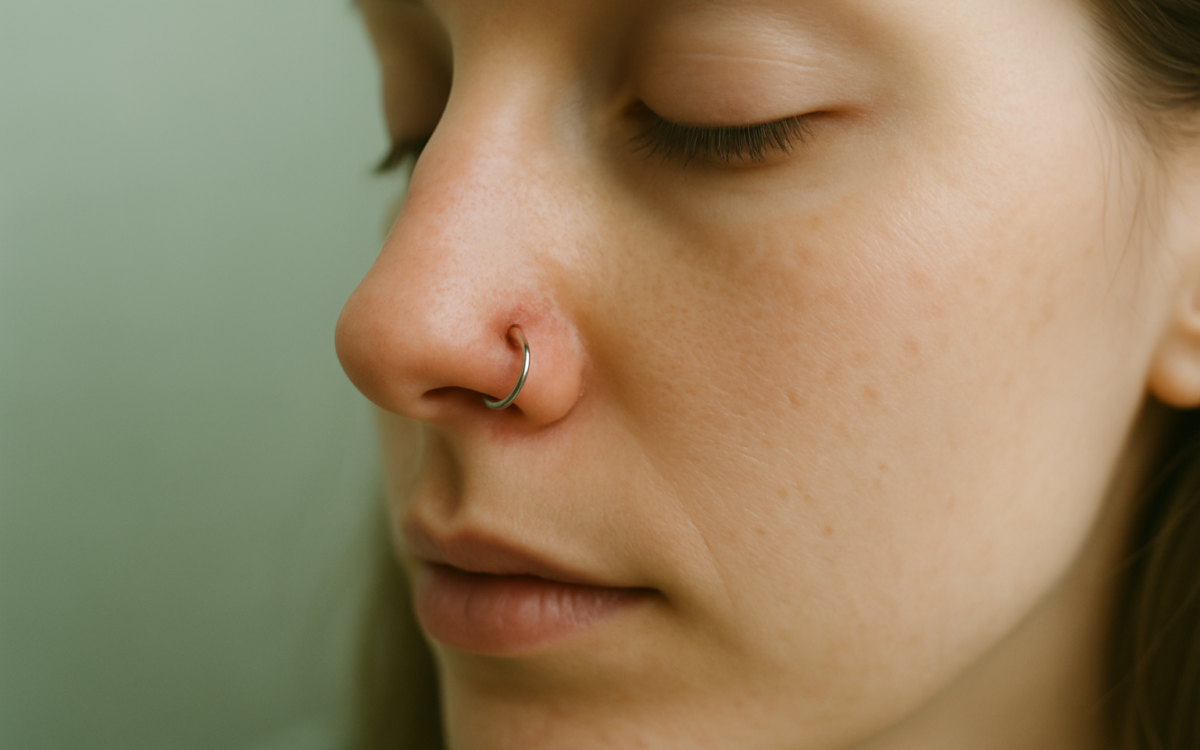
Nose piercings are a popular form of self-expression, but they can sometimes lead to bumps that cause worry. These bumps can develop for a variety of reasons, and understanding their causes can help you manage them effectively. Whether you’re a seasoned piercer or new to nose jewelry, knowing how to care for your piercing and what to look for is crucial.
Common Causes of Nose Piercing Bumps
Nose piercing bumps can arise due to several factors. Here are some of the most common causes:
- Infection: One of the most common issues is an infection, which can occur if bacteria enter the piercing site. Symptoms may include redness, swelling, and tenderness.
- Keloids: Some individuals may develop keloid scars, which are overgrowths of scar tissue that can form at the site of an injury, such as a piercing.
- Piercing bumps or granulomas: A piercing bump is a small, raised area that can form around a healing piercing. It’s typically harmless but can indicate irritation or an allergic reaction.
- Irritation: Your body may react to the jewelry material, particularly if it’s not made from high-quality metals. This can result in inflammation around the piercing.
- Allergic reactions: Similar to irritation, allergic reactions can occur, often from nickel or other metals in the jewelry. This can lead to redness and bumps.
Identifying the Type of Bump
When you notice a bump near your nose piercing, it’s essential to identify what type it is. Understanding the characteristics of the different types can help you decide the best course of action:
- Infection: Infected bumps are typically painful, warm to the touch, and may produce pus. If you see any of these symptoms, it’s wise to consult a doctor.
- Keloids: These are smooth, hard bumps that may develop weeks to months after piercing. They usually extend beyond the original boundary of the piercing.
- Granulomas: These appear as soft, reddish bumps and can be most noticeable in newly pierced areas. They often respond to treatments.
- Irritated bumps: These may look red and swollen but are usually not painful. They can develop due to excessive touching, poor jewelry choice, or incorrect cleaning techniques.
Prevention Tips for Nose Piercing Bumps
Preventing bumps is key to enjoying your nose piercing without interruptions. Here are some actionable strategies:
- Choose the right jewelry: Opt for high-quality, hypoallergenic materials like surgical steel, titanium, or gold. This decreases the risk of allergies and irritation.
- Avoid touching: Keep your hands off your new piercing. Touching can transfer bacteria and increase the risk of infections and bumps.
- Follow aftercare guidelines: After getting your piercing, make sure to clean it regularly using a saline solution or prescribed cleaning product.
- Be cautious with cosmetics: Avoid applying makeup or other products directly on or near your piercing until it’s fully healed.
- Don’t change the jewelry too soon: Allow your piercing to heal completely before switching to different jewelry to avoid irritation.
At-Home Treatments for Mild Bumps
If you develop a mild bump after getting your nose pierced, there are home remedies that may help. Here are some options:
- Warm saline compress: Applying a warm saline solution can help reduce swelling and promote healing. Soak a clean cloth in warm saltwater and place it on the bump for a few minutes daily.
- Tea tree oil: This essential oil has antiseptic properties. Dilute a few drops with a carrier oil and apply it to the bump using a clean cotton swab.
- Avoid picking: Picking at the bump can worsen the situation and introduce more bacteria. Resist the urge to touch or manipulate the area.
When to See a Doctor
If your nose piercing bump persists or worsens despite at-home care, it’s time to consult a healthcare professional. Here are some warning signs to watch for:
- Persistent pain or discomfort
- Increased redness or swelling
- Pus or drainage that has a foul odor
- Fever or chills, which may suggest a systemic infection
Getting early medical advice can prevent worse complications and ensure a smoother healing process.
Conclusion
Nose piercing bumps can be a common yet concerning issue for many people. By understanding the causes, identifying the type of bump, and knowing how to take preventive measures, you can enjoy your piercing with confidence. Always listen to your body, and don’t hesitate to reach out to a professional if you have questions or concerns. Remember, the right care can make all the difference in your healing journey.
