
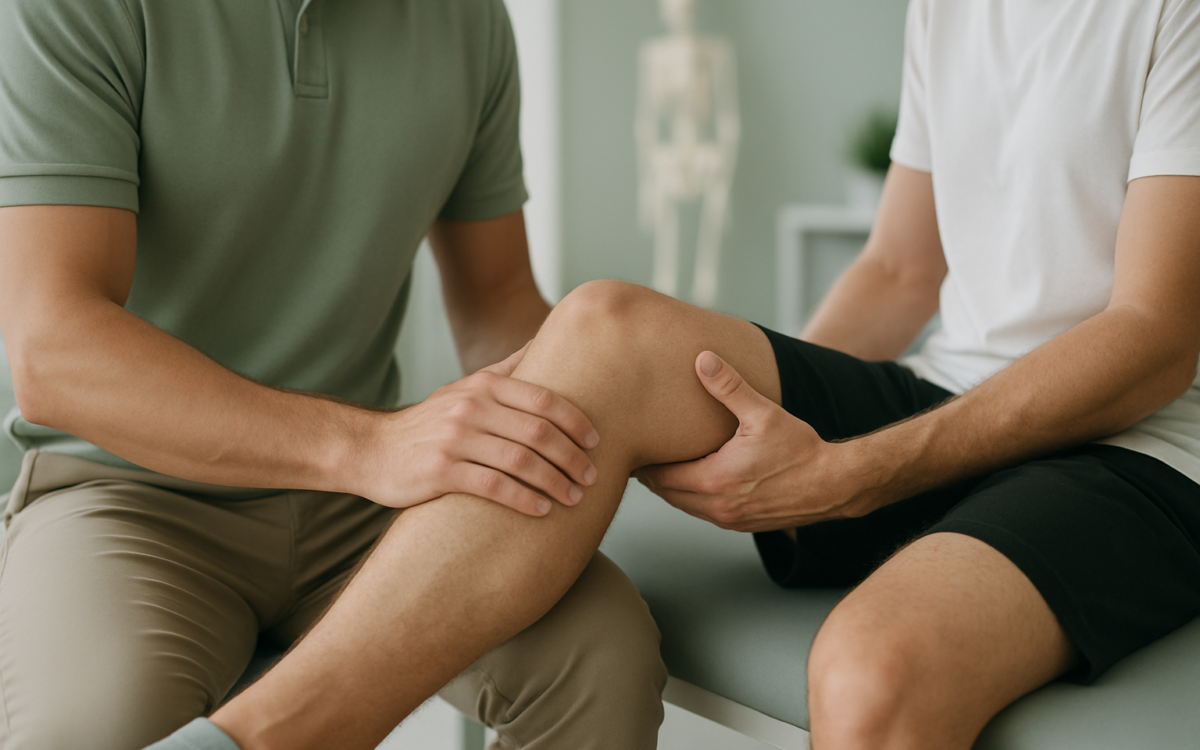
Are you recovering from an injury or surgery? Or perhaps you’re dealing with chronic pain? Orthopedic physical therapy could be the key to enhancing your recovery and improving your overall mobility. This specialized form of therapy focuses on the musculoskeletal system, helping people regain strength, flexibility, and function. Let’s explore what orthopedic physical therapy entails, its benefits, and how it can support you on your journey to health.
What Is Orthopedic Physical Therapy?
Orthopedic physical therapy involves a range of treatments designed specifically for patients with musculoskeletal issues. These can include injuries to bones, joints, muscles, and ligaments. The main goal of this type of therapy is to reduce pain, enhance movement, and restore function.
Physical therapists who specialize in orthopedics are trained to assess and treat various conditions, from sports injuries to post-surgical rehabilitation. They create customized treatment plans based on each patient’s unique needs and goals.
Common Conditions Treated
Orthopedic physical therapy can help with a variety of conditions, including:
- Fractures and dislocations
- Sprains and strains
- Arthritis
- Tendinitis
- Post-operative recovery (e.g., hip or knee replacements)
- Sports injuries
- Chronic back and neck pain
Whether you’re aiming to recover from a recent injury or manage a chronic condition, orthopedics-focused therapy can play a crucial role in your healing process.
Techniques Used in Orthopedic Physical Therapy
Orthopedic physical therapists use a variety of techniques to help their patients. Some common methods include:
- Exercise therapy: Tailored exercise programs help strengthen muscles, improve flexibility, and enhance coordination.
- Manual therapy: Hands-on techniques, such as mobilization and manipulation, help in reducing pain and improving movement.
- Modalities: Tools like ice, heat, ultrasound, and electrical stimulation can aid in reducing pain and inflammation.
- Education: Therapists often teach patients about their conditions, proper body mechanics, and ways to prevent future injuries.
These techniques are designed to work together to help you regain independence and improve your quality of life.
The Role of Exercise in Recovery
Exercise plays a critical role in orthopedic physical therapy. A physical therapist will develop a personalized exercise regimen that gradually increases in intensity. This approach helps in:
- Restoring strength: Targeted exercises build strength in the affected areas.
- Enhancing mobility: Flexibility and range-of-motion exercises help restore normal movement patterns.
- Improving balance: Balance training can prevent future injuries and falls.
Participating in regular exercise can also contribute to overall health benefits, such as weight management and improved cardiovascular health, reinforcing the importance of physical activity in daily life.
Benefits of Orthopedic Physical Therapy
Engaging in orthopedic physical therapy can provide many benefits, including:
- Pain relief: Effective management of pain through physical techniques helps you feel better faster.
- Enhanced mobility: Regaining flexibility and strength helps you return to normal activities.
- Improved function: Adaptation and strengthening improve overall function in daily tasks.
- Preventive care: Education and tailored exercise programs can help prevent future injuries.
Research shows that physical therapy can significantly improve outcomes for individuals struggling with musculoskeletal issues, making it a vital component of recovery.
Finding the Right Physical Therapist
Choosing the right physical therapist is essential to your recovery. Here are some tips for finding a qualified professional:
- Check credentials: Make sure the therapist is licensed and has experience in orthopedic therapy.
- Look for specialization: Some therapists may have additional certifications in orthopedics, sports medicine, or rehabilitation.
- Read reviews: Feedback from past patients can provide insights into a therapist’s effectiveness and approach.
- Consult your doctor: Your healthcare provider can refer you to trusted professionals.
Finding a therapist who understands your specific needs can make a significant difference in your recovery journey.
When to See a Doctor
If you are experiencing persistent pain or limited mobility that interferes with your daily tasks, it may be time to see a doctor. Other indications to consult a healthcare professional include:
- Injury leading to swelling or bruising
- Your pain is worsening over time
- Difficulty moving your joint or limb
- If you have undergone surgery and need guidance on rehabilitation
A medical professional can assess your condition and determine whether orthopedic physical therapy would be beneficial for you.
In conclusion, orthopedic physical therapy is a powerful tool for anyone looking to recover from musculoskeletal injuries or manage chronic pain. With the right techniques and support, you can regain strength, improve mobility, and return to your normal activities. Always consult your healthcare provider to discuss your specific situation and explore whether orthopedic physical therapy is the right path for you. Remember, recovery is a journey, and professional guidance can make all the difference.
