
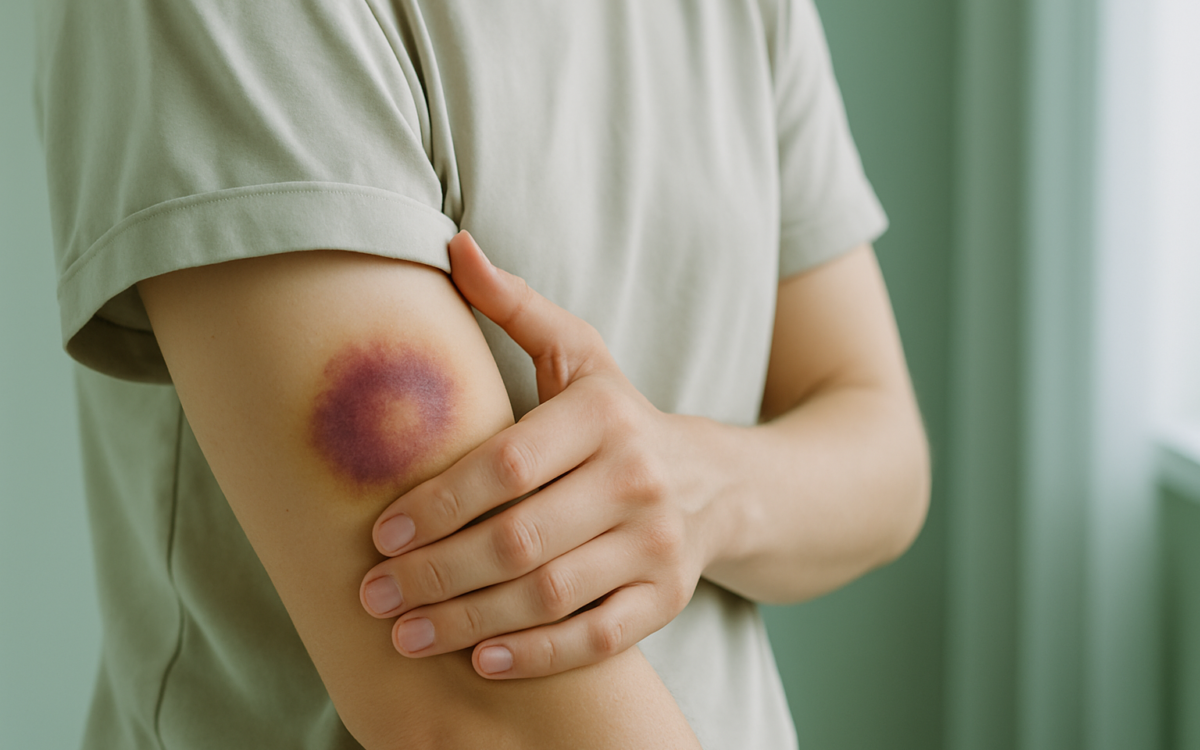
Paintball is an exhilarating sport that combines strategy and physical activity, allowing players to engage in friendly competition while harnessing their inner warrior. However, with the thrill of the game comes the possibility of injuries, including paintball bruises. These marks can be a badge of honor for some players, but they also raise questions about how to care for them and prevent further injury. In this article, we’ll delve into the causes of paintball bruises, effective first aid measures, and some tips to reduce the risk of future injuries.
What Causes Paintball Bruises?
Paintball bruises primarily occur from the impact of the paintballs hitting the skin. These projectiles are filled with colorful gelatin, which breaks upon impact, but the force can still be enough to cause bruising, especially if you’re hit in areas with less padding, such as the arms, legs, or neck.
Understanding Bruising
When a paintball strikes a player, it can break capillaries under the skin, leading to blood pooling in the surrounding tissues. This causes the characteristic dark marks we recognize as bruises. The severity and size of bruises can depend on several factors:
- Impact Force: Higher velocities can lead to more significant bruising.
- Location: Areas with less muscle or fat padding tend to bruise more easily.
- Skin Sensitivity: Some people may have more sensitive skin or underlying conditions that make them prone to bruising.
According to the National Institutes of Health, bruising is a normal response to blunt force trauma, and paintball impacts are no exception.
First Aid for Paintball Bruises
If you or someone you know gets hit and develops a bruise, there are several steps you can take to promote healing:
Ice the Area
Applying ice immediately after the impact can help reduce swelling and numb the pain. Use an ice pack or a bag of frozen peas wrapped in a cloth, and apply it to the bruise for about 15-20 minutes.
Rest and Elevate
Resting the affected area is crucial for healing. If possible, elevate the injured limb to reduce swelling.
Pain Relief
Over-the-counter pain relievers like acetaminophen or ibuprofen can help manage discomfort. Be sure to follow the recommended dosages and consult with a medical professional if unsure.
Preventing Paintball Bruises
While it’s nearly impossible to avoid all bruises in paintball, you can take some precautions to minimize your risk:
Wear Protective Gear
Investing in high-quality protective gear is one of the best ways to shield yourself from bruising. Consider the following:
- Paintball Masks: Always wear a mask to protect your face and neck.
- Padded Clothing: Padded vests or specially designed paintball jerseys can help absorb impact.
- Long Sleeves and Pants: Covering your skin can provide a barrier against paintball impacts.
Know Your Limits
Always play within your skill level and know the limits of your body. Overexertion can lead to falls or collisions that result in injuries.
Aim for Controlled Environments
Choose well-maintained fields with good safety protocols. Avoid playing in environments that might increase the risk of accidents, like crowded or rugged areas.
When to See a Doctor
Most paintball bruises will heal on their own, but you should seek medical attention if:
- The bruise is unusually large or painful.
- You notice persistent swelling.
- You experience difficulty moving the affected area.
- You develop red streaks or an infection at the bruise site.
Consulting a healthcare professional can help ensure that there are no underlying injuries, such as fractures or ligament damage.
Conclusion
Paintball bruises are a common occurrence in the sport, often serving as reminders of a thrilling day on the field. Understanding their causes, implementing first aid, and taking preventive measures can help you enjoy paintball while minimizing your risk of injuries. Remember, while these bruises may heal with time, the memories of camaraderie and competition last a lifetime. Happy painting!
