
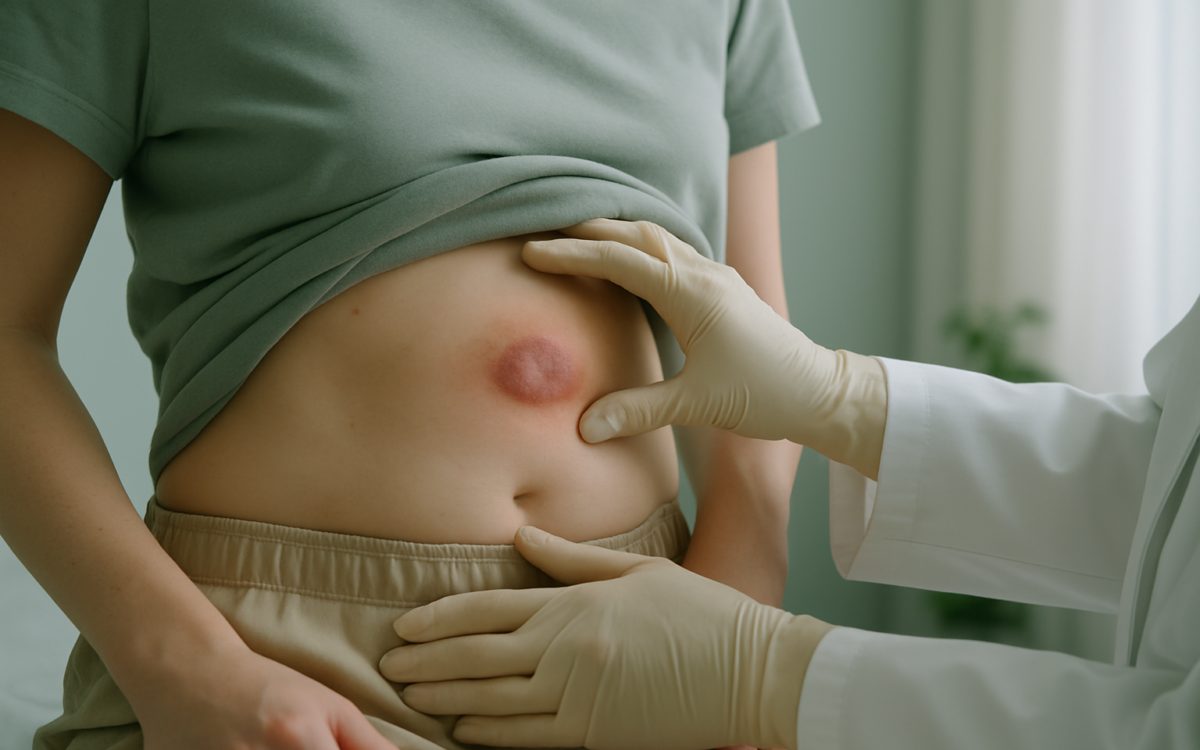
Panniculitis disease may sound unfamiliar, but it represents a group of conditions that can cause painful and sometimes serious inflammation in the body’s fat layer. Understanding this disease is crucial for those impacted or at risk. Early recognition and management can improve outcomes and comfort.
What is Panniculitis?
Panniculitis refers to inflammation of the subcutaneous fat layer, also known as the panniculus. This inflammation can lead to a variety of symptoms, and the condition can be either acute or chronic. Panniculitis can occur due to various factors, including autoimmune disorders, infections, or as a reaction to certain medications. Understanding what triggers your symptoms can aid in the management of this condition.
Types of Panniculitis
There are several types of panniculitis, each defined by its cause or appearance. Here are a few common forms:
- Septal Panniculitis: Often seen in conditions like erythema nodosum, this type primarily affects the septae between fat lobules.
- Lobular Panniculitis: This affects the lobules directly and can be associated with various disorders, including infections or trauma.
- Chronic Panniculitis: This prolonged inflammation may occur due to underlying health issues, such as lupus or chronic infections.
Causes of Panniculitis
The causes of panniculitis can be diverse and complex. Some common causes include:
- Infections: Bacterial, viral, and sometimes fungal infections can lead to inflammation.
- Autoimmune processes: Conditions like lupus and rheumatoid arthritis are often linked to panniculitis.
- Medications: Certain drugs can trigger this inflammatory response in some individuals.
- Trauma or surgery: Physical trauma can also provoke panniculitis.
To learn more about these potential causes, you can refer to reputable resources such as the National Institutes of Health.
Symptoms of Panniculitis
The symptoms of panniculitis can vary significantly depending on the type and underlying cause. Common symptoms include:
- Painful lumps or nodules under the skin
- Redness and swelling in the affected areas
- Fever and general malaise in cases of infection
- Skin changes, such as ulcers or scaling
If you notice unusual lumps or persistent pain in the fatty tissue layer of your skin, it’s essential to consult a healthcare professional.
Diagnosis of Panniculitis
Diagnosing panniculitis typically involves a thorough medical history and physical examination. A healthcare provider may perform the following:
- Biopsy: Taking a small tissue sample can help identify the type of panniculitis.
- Blood tests: These can help rule out infections or autoimmune disorders.
- Imaging tests: In some cases, X-rays or ultrasounds may be used to assess the extent of inflammation or rule out other conditions.
Always ensure your healthcare provider is aware of any medications you are taking, as these can influence your diagnosis and treatment.
Treatment Options for Panniculitis
Management of panniculitis often depends on its cause. Here are common treatment strategies:
- Medications: Anti-inflammatory drugs, corticosteroids, or immunosuppressive medications may be prescribed to reduce inflammation.
- Antibiotics: If an infection is present, antibiotic therapy can be necessary.
- Management of underlying conditions: Treating associated conditions such as lupus or rheumatoid arthritis may improve panniculitis symptoms.
- Lifestyle modifications: Maintaining a healthy weight and managing stress may help mitigate symptoms.
Discuss your treatment options with your healthcare provider to determine what is best suitable for your specific situation.
Living with Panniculitis
If you’re navigating life with panniculitis, staying informed is vital. Here are some tips for managing your condition:
- Regular check-ups: Keep up with your healthcare appointments to monitor your condition effectively.
- Know your triggers: Identifying and avoiding triggers like specific medications or stress can prevent flare-ups.
- Support network: Connecting with others facing similar challenges can provide emotional and practical support.
- Educate yourself: Understanding your condition can empower you to make informed decisions about your health.
When to See a Doctor
It’s crucial to consult a healthcare provider if you experience:
- Painful lumps or nodules on your skin
- Persistent redness or swelling
- Fever or unexplained weight loss
- Financial or emotional issues arising from your condition
Early diagnosis and treatment can significantly affect the management of panniculitis and improve quality of life.
For more information on symptoms and treatment options for panniculitis, visit the Mayo Clinic website.
Conclusion
Panniculitis disease, while not widely known, can significantly impact those affected. Recognizing its symptoms, understanding the types and causes, and working with a healthcare provider for effective management are crucial steps toward improvement. If you suspect you may have panniculitis or are experiencing symptoms, don’t hesitate to reach out to a medical professional for guidance.
