
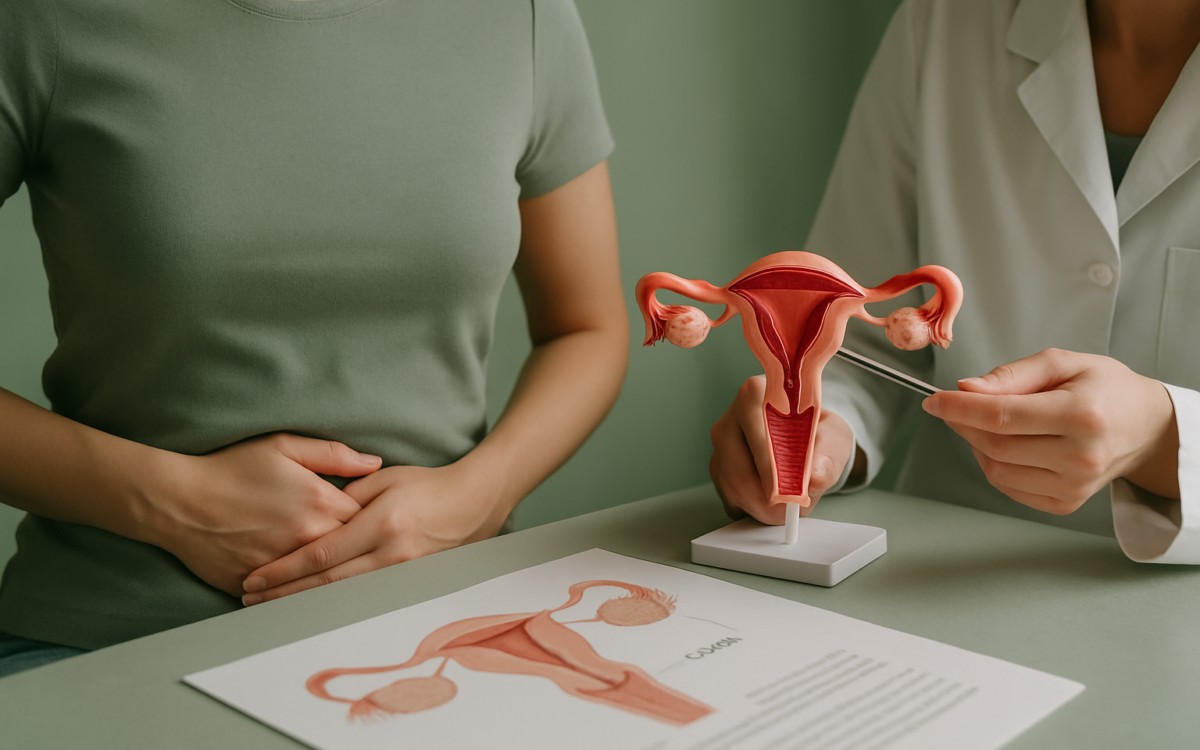
Polycystic Ovarian Syndrome (PCO) is a common condition affecting many women of reproductive age. If you have ever experienced irregular menstrual cycles, weight gain, or skin changes, you might have wondered whether these issues could be related to your ovaries. Understanding PCO is crucial for recognizing its symptoms, treatment options, and long-term implications for health.
What is PCO?
PCO, or polycystic ovaries, refers to a condition where the ovaries develop numerous small cysts, which are fluid-filled sacs. This can occur due to hormonal imbalances that affect ovarian function. Women with polycystic ovaries may experience a range of symptoms, including hormonal changes that can lead to fertility issues.
Symptoms of PCO
Women with PCO may notice several signs and symptoms. Here are some common ones:
- Irregular periods: This may manifest as missed periods or infrequent menstrual cycles.
- Weight gain: Many experience difficulty maintaining a healthy weight.
- Excess body hair: Increased hair growth in areas like the face, chest, or back is common.
- Acne: Hormonal imbalances can lead to skin issues, including acne.
- Fertility problems: PCO can lead to challenges with conceiving.
Each woman’s experience with PCO can vary significantly. Some may have mild symptoms, while others find that it greatly affects their everyday lives.
How is PCO diagnosed?
Diagnosing PCO typically involves a combination of assessments. Your healthcare provider may start by understanding your medical history and discussing your symptoms. Here are some diagnostic methods:
- Physical examination: A doctor may check for signs like excessive hair growth or acne.
- Blood tests: These tests can measure hormone levels to identify imbalances.
- Ultrasound: A pelvic ultrasound can help visualize the ovaries and detect multiple cysts.
It’s important to note that having polycystic ovaries doesn’t necessarily mean you have PCO. A definitive diagnosis usually requires a complete assessment of symptoms and test results.
Treatment options for PCO
Depending on your symptoms and individual health needs, treatment for PCO may vary. It usually focuses on managing symptoms and improving quality of life. Here are some common approaches:
Lifestyle changes
Adopting a healthier lifestyle can improve symptoms significantly. This includes:
- Maintaining a balanced diet rich in fruits, vegetables, whole grains, and lean proteins.
- Engaging in regular physical activity to help manage weight and reduce insulin resistance.
- Monitoring stress levels through relaxation techniques and self-care.
Medications
For those who struggle with hormonal imbalances or fertility issues, medications may be necessary. Common medications include:
- Birth control pills: These can help regulate menstrual cycles and reduce acne and excess hair growth.
- Metformin: Often prescribed for insulin resistance, it can help regulate menstrual cycles.
- Fertility treatments: If pregnancy is a goal, various fertility treatments are available for women with PCO.
If you’re considering international care for PCO, organizations like international patient services can connect you with specialists who have experience treating this condition.
Long-term implications of PCO
While PCO itself can be managed, it’s important to recognize its potential long-term effects. Women with PCO may have an increased risk for:
- Type 2 diabetes due to insulin resistance.
- Heart disease and high blood pressure if lifestyle changes aren’t implemented.
- Endometrial cancer related to prolonged exposure to estrogen without progesterone.
Regular monitoring and follow-up with your healthcare provider can help address these risks and keep your health on track.
Living with PCO
Living with PCO can be challenging, but numerous support systems are available. It can be beneficial to connect with others who understand your journey. Support groups, online forums, and mental health professionals can provide assistance as you navigate PCO.
Education is also essential. Being informed about your condition enables you to make better health choices. Resources from reputable organizations like the CDC and the WHO provide valuable insights into managing PCO and promoting health.
When to see a doctor
If you experience symptoms associated with PCO or have concerns about your menstrual cycle, weight, or fertility, it is important to consult a healthcare professional. Early detection and intervention can help manage symptoms effectively and reduce the risk of long-term complications.
In conclusion, understanding PCO is key to managing its symptoms and improving your quality of life. With appropriate treatments and support, many women can find relief and maintain their health. Always consult your healthcare provider for personalized advice and care options tailored to your specific needs.
