
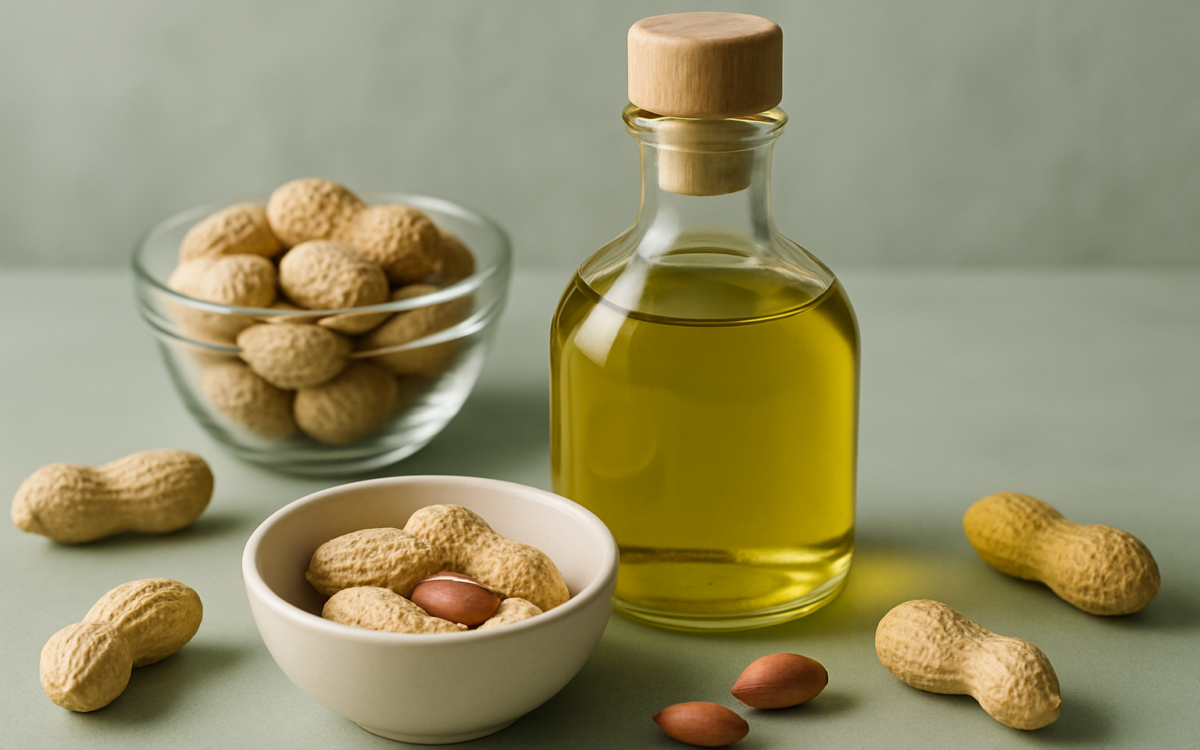
Peanut oil is a popular cooking oil known for its high smoke point and mild flavor, making it a favorite in various cuisines. As health-conscious consumers explore the types of oils best for cooking and frying, a common question arises: is peanut oil a seed oil? Understanding the classification and characteristics of peanut oil can help you make informed choices for your meals.
What is Peanut Oil?
Peanut oil, also known as groundnut oil, is derived from peanuts (Arachis hypogaea). The oil extraction process typically involves either pressing or refining peanuts to extract the oil. Peanut oil is commonly used in frying, sautéing, and even in salad dressings due to its pleasant taste and nutritional benefits.
Classification of Oils
Cooking oils are generally classified into three main categories: vegetable oils, animal fats, and seed oils. Vegetable oils are derived from plant sources, while animal fats come from animal products. Seed oils, specifically, are extracted from the seeds of plants.
Is Peanut Oil a Seed Oil?
The answer to whether peanut oil is a seed oil is somewhat nuanced. While peanuts are technically legumes and not seeds in the botanical sense, peanut oil is often grouped with seed oils when discussing culinary uses and health implications. This classification arises from the oil extraction methods and its similar properties to oils derived from true seeds, like sunflower or sesame oil.
The Nutritional Profile of Peanut Oil
Peanut oil is well-regarded for its nutritional benefits, which include:
- Fat Composition: Peanut oil predominantly contains monounsaturated fats, which are known to be heart-healthy. These fats can help reduce bad cholesterol levels when consumed in moderation.
- Vitamins and Antioxidants: It contains vitamin E and other antioxidants that may support overall health and help combat oxidative stress.
- Caloric Content: Like most cooking oils, peanut oil is calorie-dense, containing about 120 calories per tablespoon.
Common Uses of Peanut Oil
Peanut oil’s high smoke point (around 450°F or 232°C) makes it an excellent choice for frying and other high-temperature cooking methods. It is frequently used in:
- Asian Cuisines: Popular in Chinese and Thai dishes, peanut oil enhances flavors while maintaining the integrity of the meal.
- Deep-Frying: Its ability to withstand high temperatures makes it a go-to for crispy fried foods.
- Salad Dressings and Marinades: Its nutty flavor can add a unique taste to dressings.
Health Benefits and Concerns
As with any oil, moderation is key. Peanut oil offers several health advantages, but it’s essential to consider potential concerns:
- Heart Health: Due to its high monounsaturated fat content, peanut oil can contribute to heart health when used in place of saturated fats.
- Allergies: People with peanut allergies should avoid peanut oil, especially the unrefined type, which can contain allergens.
- High Caloric Density: Be mindful of portion sizes to prevent excessive calorie intake, which can contribute to weight gain.
Choosing the Right Peanut Oil
When selecting peanut oil, consider the following factors:
- Refined vs. Unrefined: Refined peanut oil has a higher smoke point and a milder flavor, while unrefined peanut oil retains more nutrients and flavor but has a lower smoke point.
- Quality: Look for oils labeled as organic or cold-pressed for higher quality. Check the expiration date and ensure proper storage to maintain freshness.
When to See a Doctor
If you have a peanut allergy or experience allergic reactions after consuming foods cooked in peanut oil, consult your healthcare provider. Symptoms like hives, difficulty breathing, or swelling may require immediate attention.
Conclusion
Peanut oil is not a traditional seed oil as it is derived from legumes, but it is often categorized alongside seed oils due to its cooking properties and health attributes. It offers numerous benefits, particularly for heart health, but one must consider allergies and portion sizes. Always choose high-quality oils for the best nutritional value. By understanding its classification and uses, you can make healthier choices in your cooking routines.
