
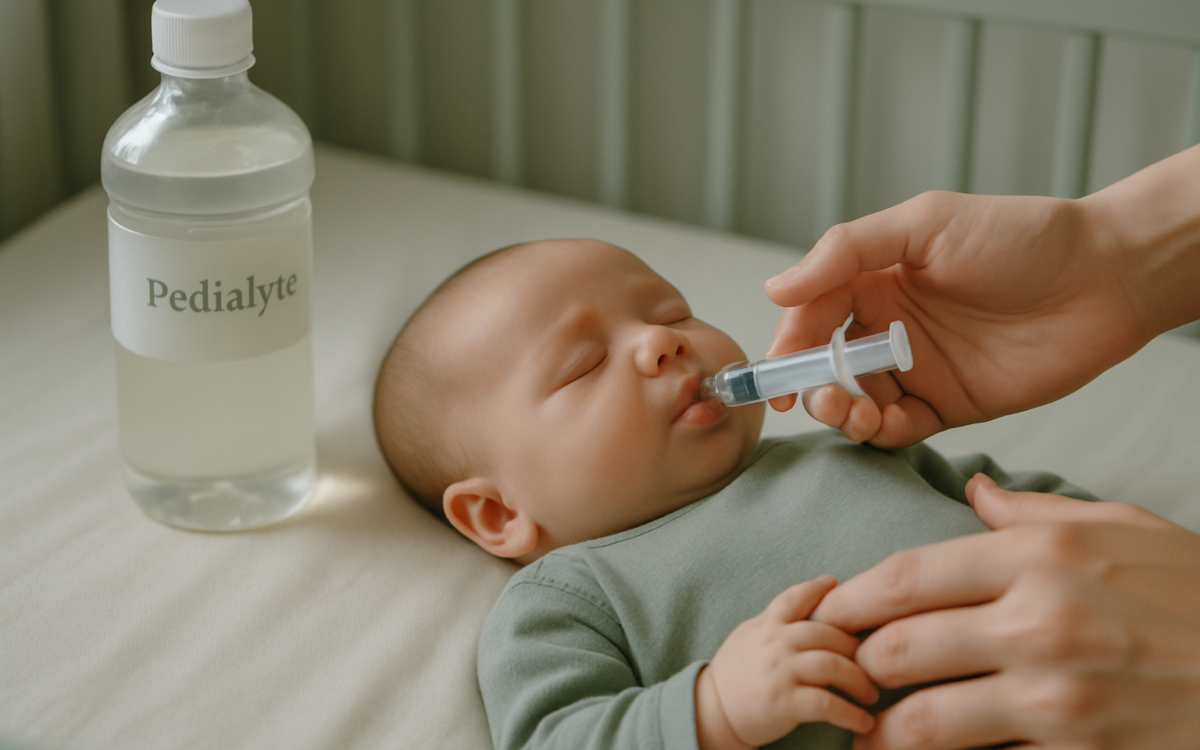
As parents, we all know that our little ones can sometimes fall ill. One common health challenge is diarrhea, especially in infants. When this happens, it’s crucial to respond promptly to ensure your baby stays hydrated and healthy. One popular solution many parents turn to is Pedialyte. But what exactly is Pedialyte, and how does it help infants suffering from diarrhea?
What Is Pedialyte?
Pedialyte is an oral rehydration solution designed to help replenish fluids and electrolytes lost due to diarrhea and vomiting. It’s specifically formulated for children and contains a careful balance of sugar, salt, and other essential ingredients. According to the CDC, maintaining hydration is vital for infants, as they are more vulnerable to the effects of dehydration.
Why Dehydration Is a Concern
When infants experience diarrhea, they may lose fluids quickly. Dehydration can lead to a range of health issues, from mild to severe. Infants can lose body water at a faster rate than adults, which means they can become dehydrated more rapidly. Signs of dehydration in infants include:
- Dry mouth or tongue
- Decreased tears when crying
- Less frequent urination (fewer than six wet diapers a day)
- Lethargy or unusual irritability
- Sunken eyes or soft spot on the head
If you notice any of these symptoms, it’s essential to act quickly by providing adequate hydration.
How Pedialyte Works
Pedialyte works by providing a balanced ratio of electrolytes and fluids that the body needs to recover from diarrhea. It contains sodium, potassium, and carbohydrates in appropriate amounts, aiding absorption and hydration. The presence of these electrolytes helps rehydrate the body more effectively than plain water.
When to Start Using Pedialyte
If your infant shows signs of diarrhea, you can start offering Pedialyte as soon as you notice symptoms. Here are some tips on when and how to introduce it:
- For mild diarrhea: If your baby has had a few watery stools, give them Pedialyte in small amounts (1-2 ounces) every 15-20 minutes.
- For moderate to severe diarrhea: If your infant has multiple watery stools or shows signs of dehydration, you may need to offer them more Pedialyte or consult with a pediatrician.
It’s also important to note that Pedialyte is not a replacement for breast milk or formula but should be used as a supplement to help rehydrate your baby. The American Academy of Pediatrics suggests continuing normal feeding while using Pedialyte.
How to Prepare and Serve Pedialyte
Pedialyte is ready to use right out of the bottle or packet. If you’re using the powdered form, follow the instructions carefully to ensure the right concentration. Here are some tips for serving Pedialyte to your infant:
- Offer it in a bottle or a sippy cup to make it easier for your baby to drink.
- Keep Pedialyte refrigerated once opened and discard any leftovers after 48 hours.
- If your infant is not keen on the flavor, consider trying different flavors offered by the brand.
Introduce it slowly and watch for any adverse reactions. If your infant resists Pedialyte, try serving it in small, frequent amounts.
Other Hydration Strategies
While Pedialyte is beneficial, there are other methods to ensure your baby stays hydrated during episodes of diarrhea:
- Continue breastfeeding or formula feeding: Your baby still needs their usual nutrition. Breast milk and infant formula can provide hydration along with essential nutrients.
- Monitor fluid intake: Keep track of how much your infant drinks. Aim for balanced hydration, prioritizing Pedialyte or breast milk/formula.
- Avoid sugary drinks: Fruit juices or sodas can worsen diarrhea and should be avoided. Stick to Pedialyte, water, or milk-based fluids.
Remember, every infant is different. What works for one might not work for another, so pay attention to your baby’s preferences and needs.
When to See a Doctor
If your baby shows symptoms of severe dehydration, it’s essential to consult a doctor. You should seek immediate medical attention if:
- Your infant is less than six months old.
- Signs of dehydration appear, such as a dry mouth, lack of tears, or significantly decreased wet diapers.
- Diarrhea lasts more than 24 hours.
- There is blood in the stool or the diarrhea is accompanied by a fever of 101°F (38.3°C) or higher.
In some cases, a healthcare provider may recommend further evaluation or intervention to treat dehydration or underlying causes of diarrhea.
Conclusion
Understanding how to manage diarrhea in infants is vital for every parent. Pedialyte can serve as an effective tool to help replenish lost fluids and electrolytes, but it’s essential to monitor your child closely and maintain regular contact with your pediatrician. Stay informed about hydration strategies, and you’ll be better prepared to support your little one during these tough times.
