
Gum health is an often-overlooked aspect of our overall well-being, yet it plays a significant role in our quality of life. Periodontitis, a serious gum infection, affects the tissues that support your teeth, potentially leading to tooth loss if left untreated. Understanding the treatment options for periodontitis is crucial for preventing further damage and ensuring healthy gums. This article will guide you through the various treatment methods available, helping you make informed decisions for your oral health.
What is Periodontitis?
Periodontitis is an advanced form of gum disease that develops when gingivitis, the initial stage of gum disease, is not treated. It occurs when plaque, a sticky film of bacteria, builds up on the teeth and hardens into tartar. The bacteria in plaque can cause inflammation in the gums, leading to symptoms such as swelling, bleeding, and bad breath. If not addressed, the inflammation can worsen, resulting in periodontitis where the supporting bone and tissues around the teeth eventually deteriorate.
Signs and Symptoms
Recognizing the signs of periodontitis early on is crucial for effective treatment. Common symptoms include:
- Red, swollen gums
- Gums that bleed during brushing or flossing
- Persistent bad breath
- Puffy or soft gums
- Teeth that feel loose or shifting
- Pockets between gums and teeth
If you notice any of these symptoms, it’s a good idea to consult with your dentist for an evaluation.
Initial Treatment Options
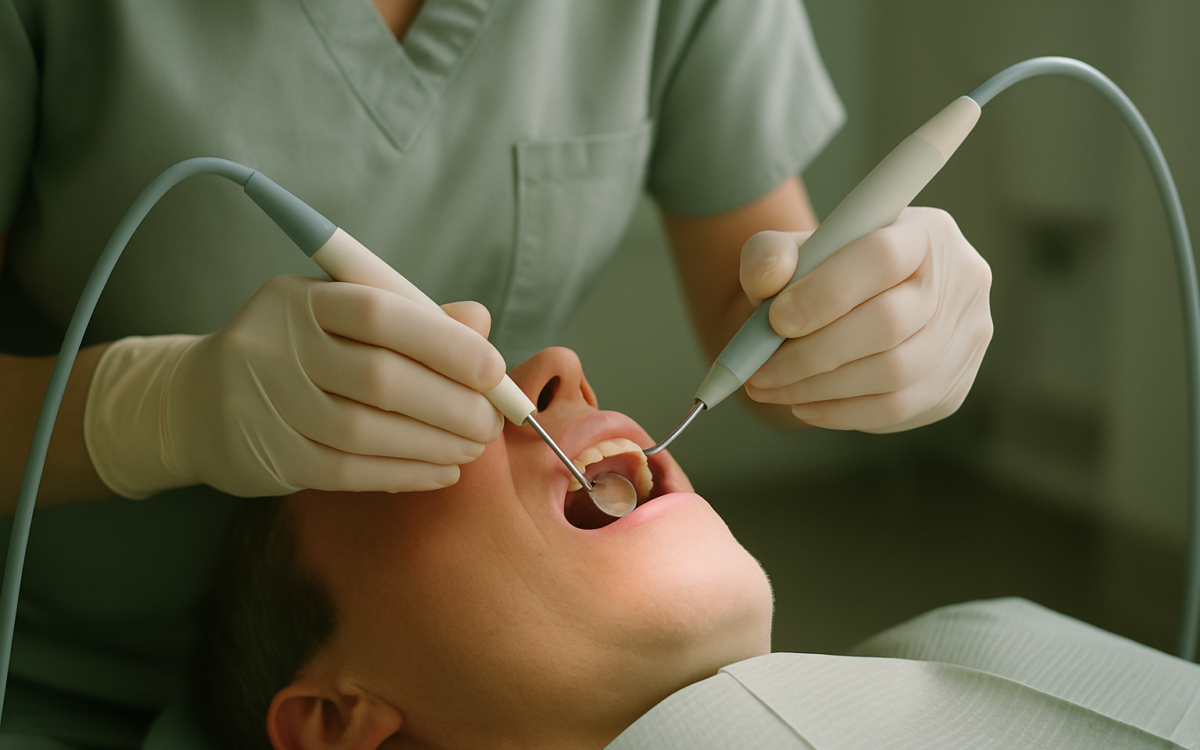
The first step in treating periodontitis often involves a thorough cleaning of the teeth and gums. This process, known as scaling and root planing, is typically performed by a dental hygienist or periodontist.
Scaling and Root Planing
Scaling involves removing plaque and tartar from the surfaces of the teeth, especially below the gum line. Root planing smooths the tooth roots to promote healing and helps prevent bacteria from accumulating again. This treatment can often take one or more visits, depending on the severity of the condition.
Advanced Treatment Options
If initial treatments do not yield satisfactory results, your dentist may recommend more advanced options to manage periodontitis effectively. These options may include:
Medications
In some cases, your dentist may prescribe topical antibiotics to help reduce inflammation and infection in your gums. These antibiotics can be delivered directly to the infected gum area, or you may be given oral antibiotics depending on the severity of the infection.
Surgical Procedures
For more severe cases of periodontitis, surgical interventions may be necessary. These procedures can include:
- Flap Surgery: A procedure where the gums are lifted back to remove tartar and then sutured back in place to allow for better healing.
- Bone Grafting: If the bone surrounding the teeth has been lost, this surgical procedure can help regenerate new bone tissue.
- Tissue Regeneration: Techniques that encourage the growth of new gum tissue can aid the healing process.
Maintaining Good Oral Hygiene
After undergoing treatment for periodontitis, maintaining a diligent oral hygiene routine is essential to prevent recurrence. Here are some important practices to incorporate into your daily life:
- Brush your teeth twice a day with fluoride toothpaste.
- Floss daily to remove food particles and plaque between your teeth.
- Use an antibacterial mouthwash to help control plaque buildup.
- Visit your dentist regularly for check-ups and cleanings.
Implementing these habits can go a long way in keeping your gums healthy and preventing further periodontal issues.
Nutrition and Gum Health
Your diet also plays a vital role in oral health. A balanced diet rich in vitamins and minerals can support gum health. Foods high in vitamin C, such as oranges and strawberries, can help your body fight infections. Calcium-rich foods, like dairy products and leafy greens, are critical for maintaining strong teeth.
When to See a Doctor
If you experience any signs of periodontitis, such as persistent gum bleeding or bad breath, it’s important to consult a dentist promptly. Early intervention can lead to a more effective treatment plan. Regular dental visits are essential to monitor your gum health and catch any issues before they escalate. Remember, maintaining good oral health is not just important for your smile but also for your overall health.
Conclusion
Understanding periodontitis treatment options can put you on the path to healthier gums and a brighter smile. Regular check-ups with your dentist, combined with a solid at-home care routine and a nutritious diet, are key to preventing gum disease. Take charge of your oral health today, and don’t hesitate to seek professional help if you’re experiencing symptoms of periodontitis.
For more information on periodontitis, you can visit reputable sources such as the Mayo Clinic or the National Institutes of Health.
