
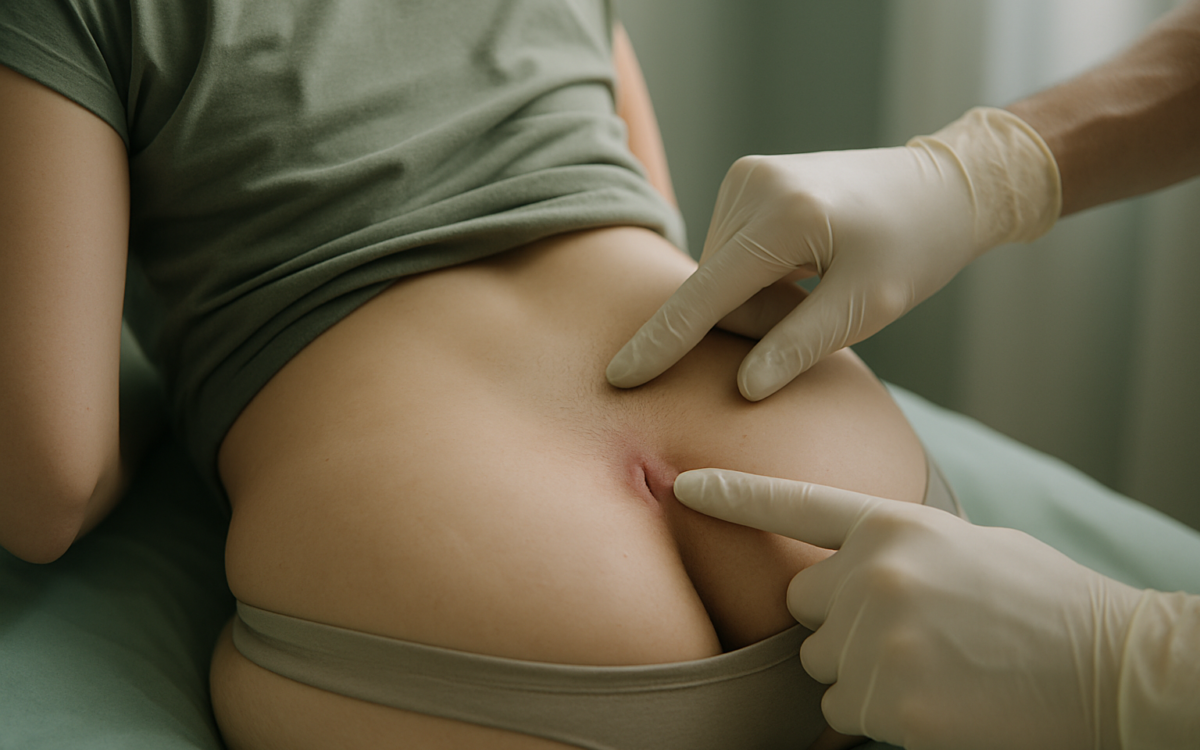
Pilonidal cysts are small sacs that form under the skin, typically at the base of the spine. They can cause discomfort and lead to infections, making understanding their causes, symptoms, and treatment critically important. In this article, we’ll explore what pilonidal cysts are, how they develop, and how to manage and treat them effectively.
What is a Pilonidal Cyst?
A pilonidal cyst is a closed sac-like structure that may contain hair, skin debris, and other tissues. They are usually found in the cleft at the top of the buttocks but can also occur in other areas. These cysts develop when hair and skin debris get trapped in the skin, often due to friction or pressure. While they can occur in anyone, they are more common in young adults, particularly males.
Causes of Pilonidal Cysts
The exact cause of pilonidal cysts remains somewhat unclear. However, several factors seem to contribute:
- Excessive Hair: Individuals with thick or coarse hair are at a higher risk.
- Friction: Activities that put pressure on the area, such as sitting for long periods, may lead to the development of a cyst.
- Genetic Factors: Family history can play a role in the likelihood of developing pilonidal cysts.
- Poor Hygiene: Not keeping the area clean can make it more susceptible to infections.
Recognizing Symptoms
Pilonidal cysts can sometimes be asymptomatic, but they often present a range of signs. Common symptoms include:
- Swelling or tenderness at the site
- Redness around the cyst
- Pain during sitting or movement
- Drainage of pus or blood from an opening in the skin
In cases where the cyst becomes infected, symptoms can worsen and might include fever and increased pain. If you notice these signs, it’s important to consult your doctor.
Treatment Options
Here are some common treatment options for pilonidal cysts:
At-home management
If a pilonidal cyst is not infected or causing significant discomfort, home care options may be effective:
- Warm Compresses: Applying warm, moist compresses to the area can promote drainage.
- Hygiene: Keeping the area clean and dry is crucial in preventing infections.
- Over-the-counter Pain Relief: Non-prescription pain relievers like ibuprofen or acetaminophen can help manage pain.
Medical Interventions
If home treatments are insufficient or the cyst is infected, medical treatments may be required:
- Drainage: A healthcare provider can drain the cyst, which may provide immediate relief.
- Surgery: In recurrent cases, a more involved surgical procedure may be necessary to remove the cyst and surrounding tissue.
For those considering international treatment options, institutions like Acibadem International offer specialized care for pilonidal cysts, ensuring patients have access to experienced surgeons and advanced medical techniques.
Aftercare and Prevention
After treatment, proper care is essential to avoid recurrence:
- Keep the Area Clean: Maintain hygiene to reduce the risk of new cyst formation.
- Avoid Prolonged Sitting: Taking breaks during long periods of sitting can minimize pressure on the area.
- Regular Checkups: Follow up with your healthcare provider to monitor your condition.
Understanding your risk factors and addressing them proactively can go a long way in preventing future issues.
When to See a Doctor
You should consult a healthcare professional if:
- The cyst becomes increasingly painful or swollen.
- You notice pus or blood discharge.
- You experience fever or symptoms of an infection.
Early intervention can often lead to a quicker and simpler recovery process.
Conclusion
Pilonidal cysts can be bothersome, but understanding their nature can significantly aid in management. Whether through home remedies or medical interventions, knowing what to look for and when to seek help is key. Take care of your health and consult your doctor for guidance when needed.
