
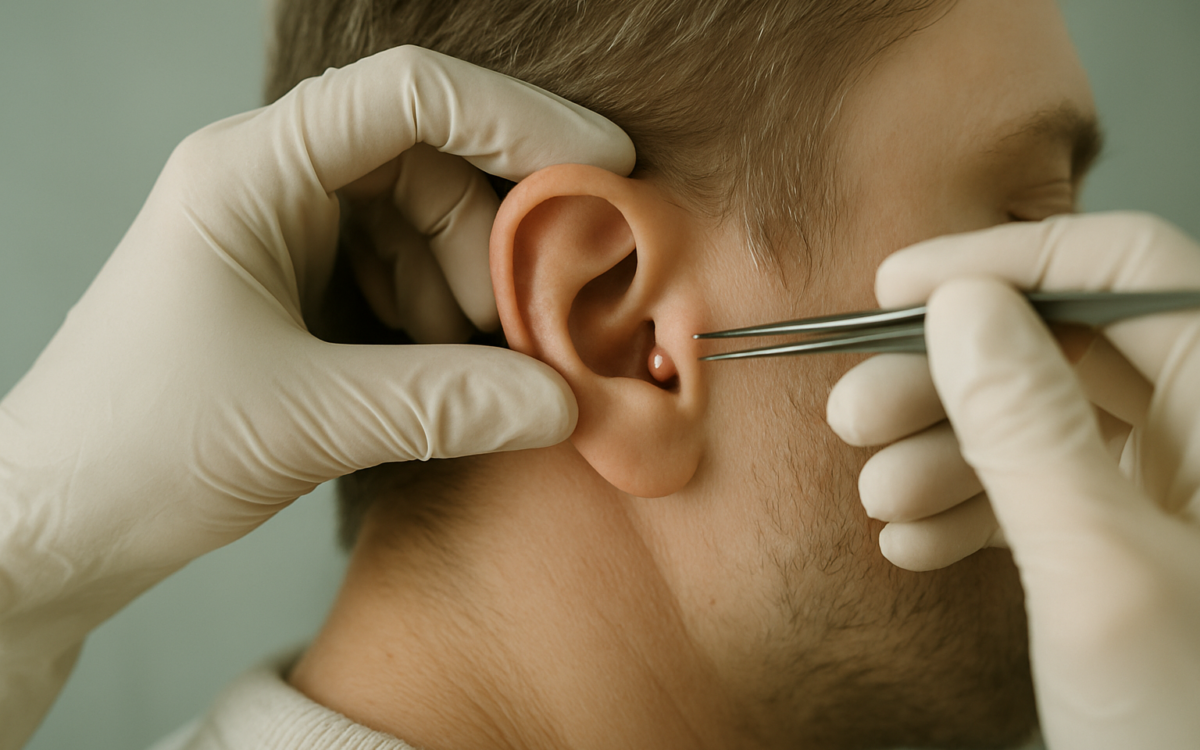
Pimples in the ear can be both uncomfortable and concerning for many. While they may seem like a minor issue, understanding their causes and how to care for them is essential for maintaining overall ear health. This article explores what causes pimples in the ear, how to identify them, treatment options, and when to seek medical advice to ensure a healthy recovery.
What causes pimples in the ear?
Pimples in the ear can arise from various factors, primarily related to blocked pores. Here are some common causes:
- Excess oils: The skin naturally produces oils (sebum) which can plug hair follicles in the ear, leading to a pimple.
- Clogged pores: Dirt, sweat, and dead skin cells can accumulate in the ear, blocking pores and causing pimples.
- Bacterial infections: Bacteria can thrive in the ear’s warm, moist environment, leading to infection and subsequent pimples.
- Allergic reactions: Allergies to certain products, such as shampoos, hair sprays, or jewelry, can irritate the skin and result in pimples.
- Hormonal changes: Fluctuations in hormones, especially during puberty, menstruation, or pregnancy, can increase oil production and result in pimples.
Recognizing the symptoms
Pimples in the ear can be identified by the following symptoms:
- Red, raised bumps: These can vary in size and may be painful or tender to the touch.
- Swelling: The area around the pimple may become swollen and feel warm due to inflammation.
- Itching or discomfort: You might experience itchiness or mild discomfort in the affected area.
- Pus or drainage: In some cases, pimples may become infected and ooze pus or other fluids. This can indicate a more serious condition.
Treatment options for ear pimples
While most pimples in the ear can be managed at home, specific treatment options can help alleviate discomfort and reduce their appearance:
- Warm compress: Applying a warm, clean cloth to the affected area can help reduce inflammation and promote healing.
- Topical treatments: Over-the-counter creams containing benzoyl peroxide or salicylic acid can be effective. However, use them with caution, as they may irritate the sensitive skin in and around the ear.
- Antibiotics: If a bacterial infection is suspected, a healthcare provider may prescribe antibiotics to treat the infection.
- Good hygiene practices: Keeping the ear clean and dry is essential. Avoid using cotton swabs inside the ear, as they can push dirt and oils further in.
- Avoid popping: Squeezing or picking at pimples can worsen inflammation and lead to infection. It’s best to let them heal naturally.
Preventing pimples in the ear
To minimize the chances of developing pimples in the ear, try the following preventive measures:
- Keep ears clean: Regularly clean your ears with a gentle cleanser, being careful not to insert anything deep into the ear canal.
- Avoid irritants: Limit exposure to products that may irritate the skin, and consider using hypoallergenic options.
- Limit touching: Avoid frequently touching your ears or inserting objects, as this can introduce dirt and bacteria.
- Practice good skincare: Keeping your face and neck clean can help minimize oil production and reduce the risk of acne affecting your ears.
When to see a doctor
While many pimples in the ear can be treated at home, certain situations call for a doctor’s advice:
- If the pimple doesn’t improve within a week.
- If you develop a fever or experience severe pain.
- If there is significant swelling or redness spreading from the pimple.
- If the pimple starts to ooze pus or any unusual discharge.
- If you have a history of ear infections or other ear-related health issues that could be contributing to the problem.
Conclusion
Pimples in the ear, while often common and benign, can sometimes indicate underlying issues that require attention. By recognizing the symptoms early and following good hygiene practices, you can manage this condition effectively. Remember, seeking medical advice if your symptoms worsen or persist is key to ensuring your ear health. For more information on skin health, consider visiting sources like the NIH or the Mayo Clinic.
