
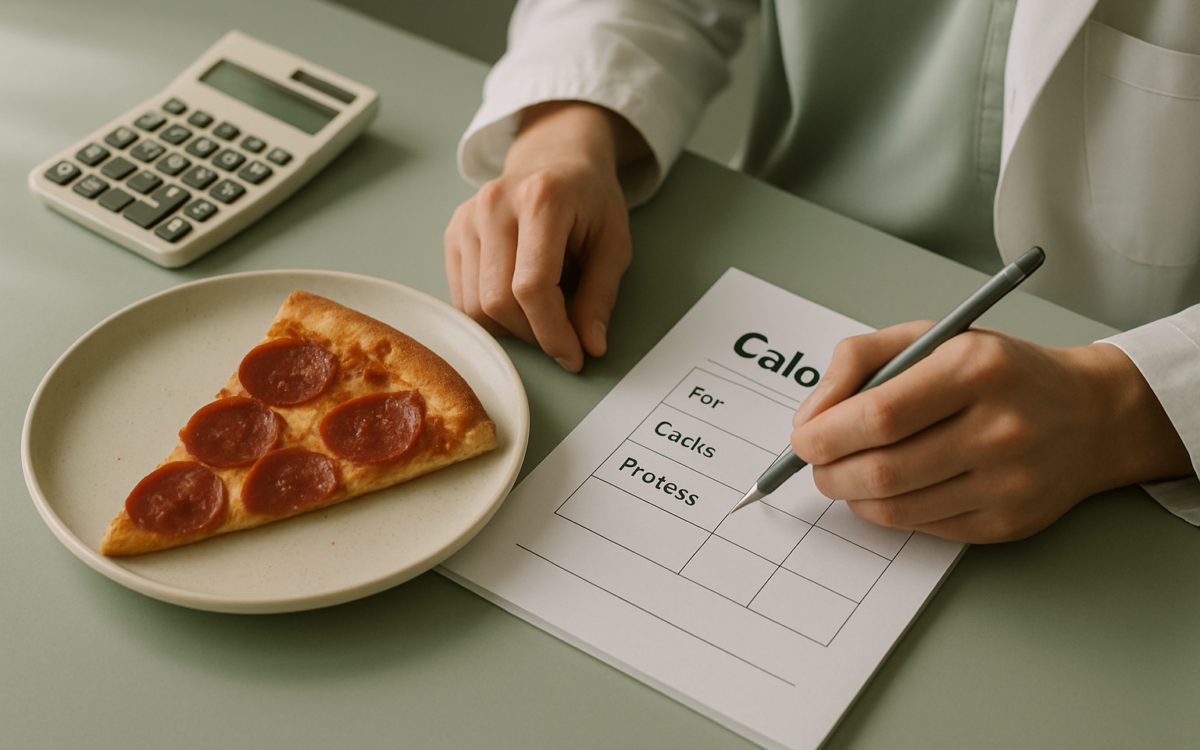
Pizza is one of the most beloved foods worldwide, brought to life by its delicious combination of crust, sauce, cheese, and an array of toppings. While it’s tempting to indulge in a pizza night, understanding the calorie content of a pizza slice can help you make better dietary choices. This article explores the calorie count in various pizza types and toppings, helping you enjoy this treat while keeping an eye on your nutrition.
Calorie Count of a Standard Slice
The calorie content of a pizza slice can vary significantly based on the type of pizza and its ingredients. On average, a standard slice of cheese pizza from a typical pizzeria contains around 200 to 300 calories. However, this number can rise with added toppings and thick crusts.
Thin vs. Thick Crust: The Caloric Difference
The type of crust plays a significant role in the calorie count. Thin crust pizzas generally have fewer calories because they contain less dough. A slice of thin crust cheese pizza might have between 150 to 200 calories, while a slice of thick crust can contain up to 400 calories or more. If you’re looking to cut calories, opting for a thin crust can be a smart choice.
Impact of Toppings on Caloric Value
Toppings can dramatically alter the calorie content of your pizza slice. Below are some common toppings and their typical calorie contributions:
- Pepperoni: Adds about 50 calories per slice.
- Extra Cheese: Increases calorie count by roughly 100 calories per slice.
- Vegetables (like bell peppers, onions, or mushrooms): Generally add 10-20 calories each.
- Meat Toppings (like sausage or bacon): Can add 100-150 calories per slice.
Understanding these additions can help you build a pizza that fits your dietary preferences while satisfying your taste buds.
Comparing Different Types of Pizza
Different styles of pizza also have varying calorie counts. Here are some popular options:
- Neapolitan Pizza: Known for its thin, soft crust, a slice typically contains around 200 calories.
- Chicago Deep Dish: A hefty style where one slice can easily exceed 500 calories due to its thick, buttery crust and generous mix of cheese and toppings.
- New York Style: A large, foldable slice usually falls between 250-350 calories.
This variety allows for personalization, but it’s essential to be mindful of how these choices can add up.
Healthier Pizza Options
If you’re concerned about calorie intake, consider these healthier pizza alternatives:
- Whole Wheat Crust: Offers more fiber and nutrients than traditional white flour.
- Vegetable Toppings: Add flavor without a hefty calorie increase.
- Cheese Alternatives: Options like reduced-fat or dairy-free cheese can lower the calorie count while offering similar taste.
- Portion Control: Enjoying smaller slices or sharing a pizza can help keep you within a reasonable calorie goal.
Keeping these alternatives in mind can help you enjoy pizza without compromising your health.
Monitoring Your Pizza Intake
It’s easy to lose track of how many slices of pizza you consume, especially during gatherings or parties. Being aware of the calorie content can encourage mindfulness in eating. Here are some tips for monitoring your pizza intake:
- Read Nutrition Labels: If homemade, calculate the calories based on the ingredients used. When dining out, many restaurants provide nutritional information.
- Use Portion Control: Limit yourself to one or two slices and fill up on salads or vegetables as sides.
- Be Mindful of Portion Size: Choosing smaller slices can help lessen the total calorie intake.
- Keep a Food Diary: Tracking what you eat can help you stay mindful of your caloric intake from pizza and other foods.
These habits can promote a balanced approach to enjoying pizza as a part of your diet.
When to See a Doctor
If you have specific dietary concerns, such as obesity or heart disease, speaking to a healthcare provider about your eating habits is wise. They can provide personalized advice to manage your weight and ensure you’re making healthy choices. For more information on maintaining a balanced diet, you can consult reputable sources like the NIH and the WHO.
Remember, while enjoying your favorite foods is important, balance and moderation play crucial roles in maintaining a healthy diet.
In conclusion, understanding the calorie content in pizza slices is key to making informed food choices. Whether you prefer thin crust over thick, or load your pizza with veggies instead of processed meats, knowing these details empowers you to enjoy your meals while staying within your dietary goals. So the next time you order or make pizza, remember to think about those calories—and how to enjoy your slice mindfully.
