
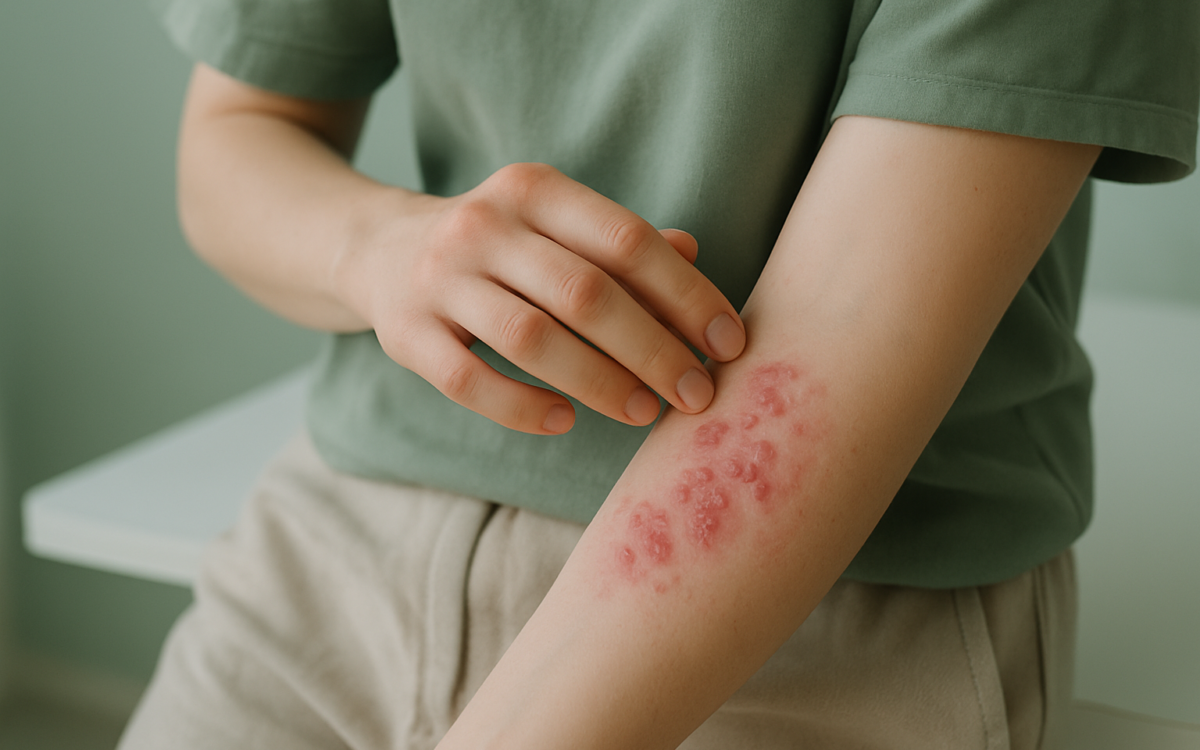
Many of us have heard the saying, “Leaves of three, let it be,” when it comes to poison ivy. But what happens when you do come into contact with this notorious plant? Understanding the appearance and characteristics of a poison ivy rash is essential for effective treatment and prevention. In this article, we’ll discuss what poison ivy rash looks like, share relevant pictures, and provide helpful information on avoiding this troublesome plant.
What Causes a Poison Ivy Rash?
Poison ivy rashes occur because of an allergic reaction to the oil found in the leaves, stems, and roots of the plant called urushiol. This oil can cause an itchy and uncomfortable rash after contact with the skin. It can be found on clothing, tools, or even pets that have been in contact with the plant. While most people will develop a rash upon exposure, some may not react at all, as sensitivity to urushiol varies greatly among individuals.
Identifying Poison Ivy Rashes
The rash caused by poison ivy typically appears within 12 to 72 hours after exposure. It often begins as red, itchy bumps that can develop into blisters. Here are some key characteristics:
- Redness: The area around the rash usually appears red and inflamed.
- Blisters: Small, fluid-filled blisters may form, often appearing in clusters.
- Itching: The rash is often very itchy, leading to scratching, which can worsen the condition.
- Location: The rash may appear in the shape where the plant made contact, making it easier to identify.
Here are a few pictures of poison ivy rashes to help you recognize what to look for.
How Does a Poison Ivy Rash Progress?
The progression of a poison ivy rash can vary. Initially, you might see red bumps that develop into raised blisters. As the rash heals, it may crust over and eventually flake off. If the blisters burst due to scratching, it can lead to weeping and crusting as the skin begins to heal. Treatment is often focused on relieving the itching and discomfort associated with the rash.
Treatment Options for Poison Ivy Rashes
While the rash typically goes away on its own within one to three weeks, treatment can help ease symptoms. Here are some common remedies:
- Over-the-counter antihistamines: Medications like diphenhydramine (Benadryl) can help relieve itching.
- Topical corticosteroids: Hydrocortisone cream can reduce inflammation and itching.
- Cold compresses: Applying a cold, wet cloth can soothe irritation.
- Oatmeal baths: Soaking in an oatmeal bath can provide relief for itchy skin.
Be sure to avoid scratching the rash, as this can lead to infection. If the rash becomes severe, or if it covers a large area of the body, it may be necessary to consult with a healthcare provider.
Preventing Poison Ivy Exposure
Prevention is the best way to deal with poison ivy. If you’re spending time outdoors, especially in wooded areas, follow these tips to reduce your chances of contact:
- Wear protective clothing: Long sleeves and pants can provide a barrier between your skin and the plant.
- Avoid known areas: If you know where poison ivy commonly grows, steer clear of those areas.
- Learn to identify the plant: Familiarize yourself with the appearance of poison ivy, which often has three leaflets.
- Wash up promptly: If you suspect contact, wash your skin with soap and water as soon as possible. Be sure to clean any affected items as well.
When to See a Doctor
It’s important to see a doctor if the rash:
- Is widespread or severe.
- Includes signs of infection, such as increased redness, warmth, or pus.
- Occurs in sensitive areas, such as around the eyes or genitals.
- Feels unusually painful or uncomfortable and doesn’t improve with home treatment.
If you’re unsure whether your rash is from poison ivy or another source, consulting a healthcare professional is always a good choice.
Conclusion
Experiencing a poison ivy rash can be both uncomfortable and frustrating. By understanding how to identify the rash, knowing what it looks like, and learning effective treatments and prevention methods, you can better manage exposure and know when it’s time to seek medical help. For additional information and resources, don’t hesitate to consult reputable health sources like the CDC or the Mayo Clinic.
