
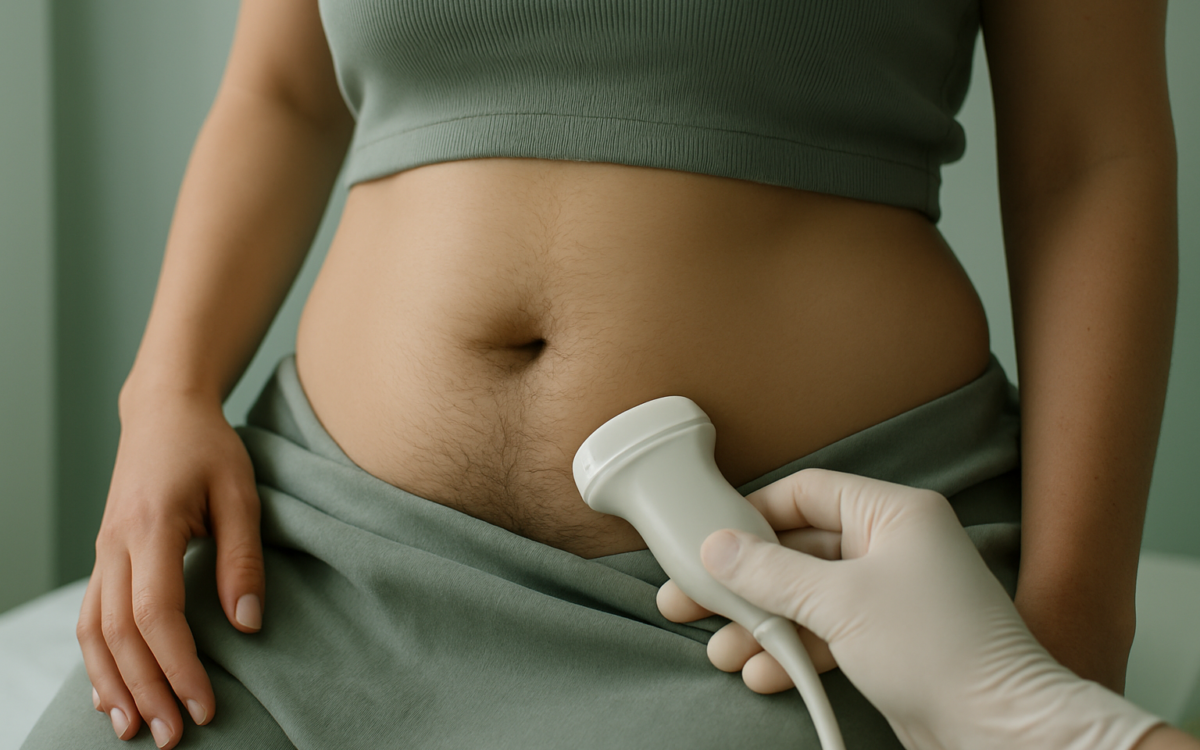
Polycystic ovary syndrome (PCOS) is a condition that affects many women around the world, yet it often remains misunderstood. One of the most noticeable ways PCOS can impact daily life is through hair health, influencing everything from hair growth to hair thinning. Understanding this relationship is essential not only for managing the symptoms but also for improving overall quality of life. In this article, we will explore the connection between polycystic ovaries and hair health, as well as effective management strategies.
What Are Polycystic Ovaries?
Polycystic ovaries are characterized by multiple small cysts, which are fluid-filled sacs, on one or both ovaries. This condition is closely related to PCOS, a hormonal disorder affecting women during their reproductive years. PCOS can lead to various symptoms, such as irregular periods, weight gain, acne, and hair issues.
How Hormonal Imbalance Affects Hair
The key to understanding hair health in women with polycystic ovaries lies in hormonal imbalance. PCOS often results in increased levels of androgens, commonly referred to as male hormones, in women. This hormonal shift can lead to two different hair conditions:
- Hirsutism: This is excessive hair growth in areas typically more common in men, such as the face, chest, and back.
- Androgenic Alopecia: This type of hair loss presents as thinning hair on the scalp, often resembling male-pattern baldness.
These changes can be distressing, but awareness is the first step toward managing the symptoms effectively. For more in-depth information on hormonal imbalances and PCOS, you can refer to the NIH website.
Managing Hair Issues Associated with PCOS
There are several approaches to managing hair-related issues stemming from polycystic ovaries. While treatment needs to be tailored to each individual, here are common strategies:
1. Lifestyle Changes
Adopting a healthy lifestyle can significantly improve symptoms of PCOS. This includes:
- Eating a balanced diet rich in whole foods, such as fruits, vegetables, whole grains, and lean proteins.
- Regular physical activity to help manage weight and improve insulin sensitivity.
- Maintaining a healthy weight, as even a small amount of weight loss can help regulate hormones.
2. Medical Treatments
For those facing significant hair issues due to PCOS, medical treatments might be necessary. Common options include:
- Hormonal Birth Control: Pills, patches, or rings that contain estrogen and progestin can help balance hormone levels, reducing hirsutism and acne.
- Anti-androgen Medications: Drugs like spironolactone can combat excessive hair growth by blocking the effects of male hormones.
- Hair Removal Techniques: Options such as laser hair removal, electrolysis, or topical hair removal creams can be effective for unwanted hair.
It’s important to discuss these treatment options with your healthcare provider to determine what’s best for your specific situation.
3. Support and Resources
Living with PCOS can be a challenging journey emotionally and physically. Seeking support through counseling, support groups, or even online communities can provide a sense of belonging and understanding. Many health organizations offer resources tailored for women with PCOS.
If you are considering treatment abroad, international patient services can help you find qualified specialists and explore medical options in other countries.
Getting Diagnosed: The Importance of Early Intervention
Early diagnosis of PCOS is crucial to managing symptoms effectively. A visit to your healthcare provider can lead to tests that identify hormonal levels, insulin resistance, and other factors associated with the condition. Addressing these issues early may prevent more significant health problems in the future, including infertility and increased risk of diabetes.
Common Signs and Symptoms to Monitor
Being aware of the signs of PCOS can help in seeking timely medical advice. Look out for:
- Irregular or missed menstrual cycles
- Excessive hair growth in areas like the face or chest
- Acne or oily skin
- Weight gain or difficulty losing weight
Noticing these signs isn’t something you should take lightly; they warrant a conversation with a healthcare professional.
When to See a Doctor
If you experience any symptoms that suggest PCOS, such as irregular periods, unexplained weight gain, or unusual hair growth, it’s advisable to consult a healthcare provider. They can conduct the necessary assessments to diagnose the condition and recommend appropriate management options.
While living with polycystic ovaries may present challenges, many women successfully navigate these hurdles and lead fulfilling lives. By understanding how PCOS affects hair health and seeking early intervention, you can take significant steps towards managing your symptoms effectively.
