
Have you ever heard the term ‘polycystic’ and wondered what it really means? It’s becoming a more familiar term, especially in discussions about women’s health. But what does it signify? In this article, we’ll explore the meaning of polycystic, particularly in relation to conditions like Polycystic Ovary Syndrome (PCOS), its symptoms, causes, and management strategies.
What Does Polycystic Mean?
The term ‘polycystic’ refers to the presence of multiple cysts. These cysts are fluid-filled sacs that can develop in various parts of the body, but most commonly, the term is associated with the ovaries. When the ovaries produce many cysts, it can lead to various health complications. In particular, Polycystic Ovary Syndrome (PCOS) is a condition characterized by hormonal imbalances and metabolic issues that can affect women’s reproductive health.
Understanding Polycystic Ovary Syndrome (PCOS)
Polycystic Ovary Syndrome is one of the most common hormonal disorders among women of reproductive age. The exact cause of PCOS is still not fully understood, but it is believed to be related to genetics, insulin resistance, and inflammation. Here are the main features commonly associated with PCOS:
- Irrregular Menstrual Cycles: Women with PCOS may experience irregular or absent menstruation, which can make it difficult to conceive.
- Excess Androgens: High levels of male hormones (androgens) can lead to symptoms such as acne, hair loss, and excessive hair growth in unwanted areas.
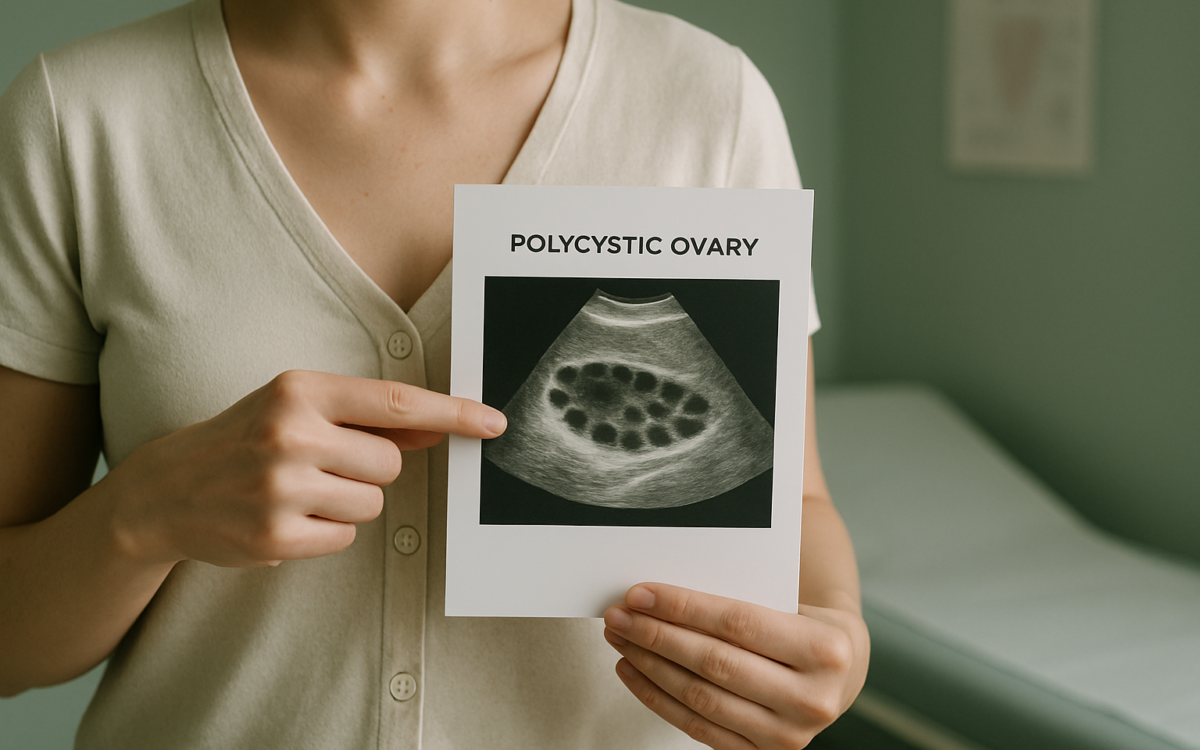
- Multiple Cysts: Ultrasound imaging often reveals multiple fluid-filled sacs on the ovaries.
Symptoms of Polycystic Conditions
Recognizing the symptoms of polycystic conditions is essential for early diagnosis and treatment. Besides the irregular periods and excess androgens mentioned earlier, other common symptoms include:
- Weight Gain: Many women with PCOS may struggle with weight gain or obesity, which can exacerbate other symptoms.
- Infertility: Difficulty in conceiving is a significant concern, as irregular ovulation affects fertility.
- Skin Changes: Women may experience skin problems such as oily skin, acne, and dark patches under the armpits or on the neck.
- Mood Changes: Levels of anxiety and depression can also be higher among women with PCOS.
Causes of Polycystic Conditions
While the precise causes of polycystic conditions remain unclear, several factors appear to contribute:
- Genetics: If a woman has a family history of PCOS, the likelihood of developing the condition increases.
- Insulin Resistance: Many women with PCOS have insulin resistance, which means their bodies don’t use insulin effectively. This can lead to weight gain and may increase androgen levels.
- Chronic Inflammation: Research indicates that women with PCOS may have low-grade inflammation, which may play a role in the development of the condition.
Management and Treatment Options
While there is no cure for PCOS, various treatment options exist to help manage symptoms and decrease health risks related to the condition:
- Lifestyle Changes: Maintaining a healthy weight through diet and exercise can significantly improve symptoms and regulate menstrual cycles.
- Medications: Hormonal birth control can help regulate periods and reduce symptoms like acne and excessive hair growth. Metformin, a medication commonly used to treat type 2 diabetes, may also be prescribed to manage insulin resistance.
- Fertility Treatments: For women trying to conceive, medications such as clomiphene can help induce ovulation.
It’s crucial for women experiencing symptoms of polycystic conditions to consult with healthcare professionals for a personalized management plan.
When to See a Doctor
If you suspect you have polycystic symptoms such as irregular periods, excessive hair growth, or difficulty in conceiving, it’s essential to see a healthcare provider. Early diagnosis and treatment can help minimize complications such as diabetes, heart disease, and infertility.
Conclusion
The term ‘polycystic’ is associated primarily with conditions like Polycystic Ovary Syndrome, which affects many women across the globe. While it involves the presence of multiple cysts, it also encompasses a range of symptoms and underlying factors related to hormonal imbalance and metabolic issues. Understanding polycystic conditions is crucial for seeking appropriate treatment and improving health outcomes. Always consult with a healthcare professional for guidance tailored to your unique situation.
