
Popcorn is a beloved snack, often found at movie theaters, sporting events, and even in our homes. Whether you enjoy it plain, buttered, or drizzled with chocolate, understanding the calorie content and nutritional benefits can help you make healthier choices. In this article, we will dive into what makes popcorn a unique snack and how its calorie count can vary based on preparation methods.
The Basics of Popcorn
At its core, popcorn is a whole grain and one of the most popular snack foods in the world. Made from a specific variety of maize that pops when heated, it is a source of fiber and can be part of a healthy diet. But just how many calories are in popcorn? The answer varies based on whether it’s air-popped, buttered, or flavored with other toppings.
Caloric Breakdown
The calorie count of popcorn can greatly differ based on preparation methods:
- Air-Popped Popcorn: This is the healthiest option. One cup of air-popped popcorn contains approximately 30 calories. With its high fiber content, it helps keep you feeling full.
- Oil-Popped Popcorn: Popped in oil, this variety has around 55-70 calories per cup. The type of oil used can also impact overall calories and nutritional value.
- Butter-Popped Popcorn: Commonly found in theaters, buttered popcorn can range from 100-200 calories per cup, depending on the amount of butter used. This can significantly increase the fat content and the number of calories.
- Flavored or Gourmet Popcorn: If you’re enjoying caramel, cheese, or other flavored varieties, the calorie count can skyrocket to 200-300 calories per cup or more.
As seen, preparation plays a critical role in determining the calorie content of popcorn. Opting for air-popped or lightly seasoned popcorn can keep calorie counts low while still being satisfying.
Nutritional Benefits of Popcorn
Popcorn isn’t just about calories; it offers several nutritional benefits:
- High in Fiber: Popcorn is a whole grain and a great source of dietary fiber. Fiber is essential for digestive health and can help regulate blood sugar levels.
- Low in Calories: Despite its lightness, when prepared correctly, popcorn can be a low-calorie snack, making it a great option for those watching their weight.
- Rich in Antioxidants: Popcorn contains polyphenols, which are antioxidant compounds that can help combat oxidative stress in the body. These antioxidants play a role in reducing inflammation and promoting overall health.
With these benefits in mind, popcorn can be a nutritious addition to your snacking routine. However, moderation is key, especially if you enjoy butter and flavorings that could increase the calorie count.
The Impact of Portion Size
Many people overlook how portion sizes can affect calorie intake. It’s easy to underestimate just how much popcorn you’re eating, especially when enjoying it in front of a screen. Here are a few tips to manage your popcorn portions:
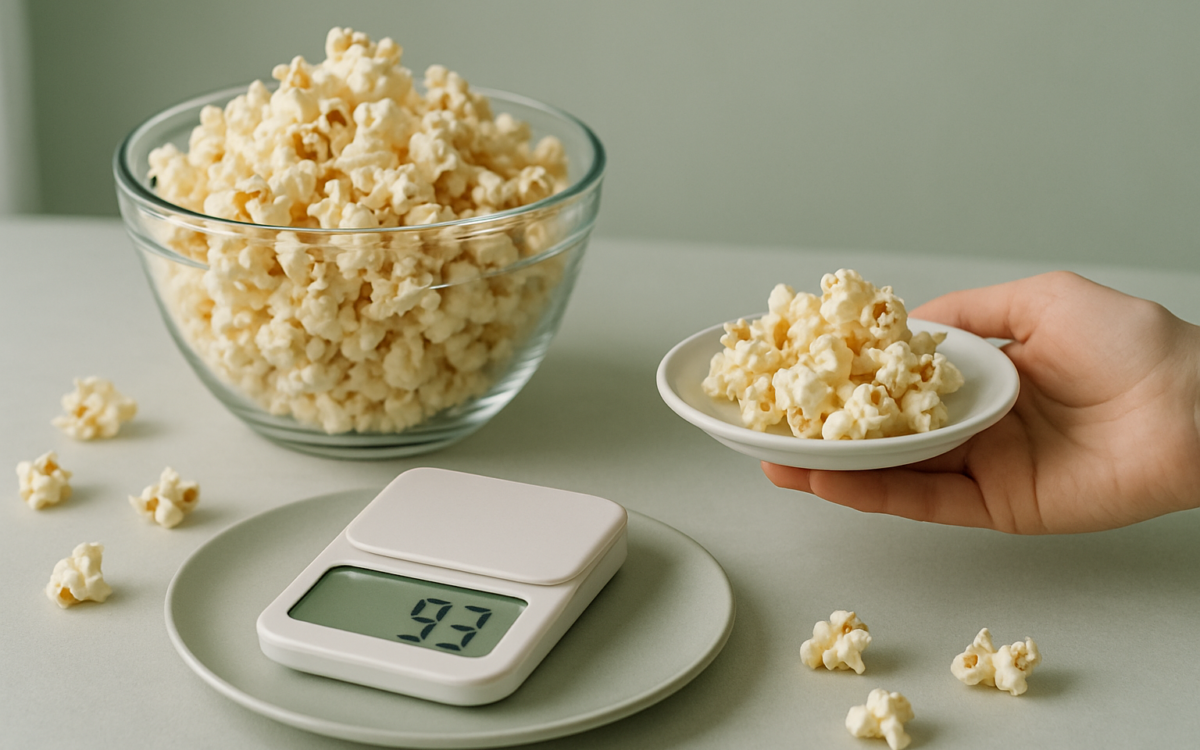
- Measure it Out: Instead of grabbing a large bowl, try measuring out a single serving. A standard serving of popcorn is typically 3 cups of air-popped popcorn, which contains approximately 90 calories.
- Mind Your Toppings: Be wary of added toppings like butter, caramel, or cheese. They might enhance the flavor but come with extra calories. Aim for spices and herbs for flavor without the added calories.
- Eat Slowly: Savor your popcorn, and take breaks in between bites. This can help you notice when you’re satisfied and less likely to overeat.
Understanding portion sizes can make a big difference in enjoying popcorn into a balanced diet.
International Perspectives on Popcorn
While popcorn is a widely enjoyed snack in the U.S., its preparation and consumption vary across borders. In countries like Mexico, for example, popcorn is often cooked with a variety of spices and chili, which may significantly change its flavor and caloric value. Exploring global variations can give you new ideas for preparing your favorite snack. For those interested in learning about how popcorn and other grains fit into international diets, resources like Acibadem International offer information about nutrition in various cuisines.
When to See a Doctor
If you experience any discomfort after eating popcorn or notice unusual reactions, it might be worth having a chat with your healthcare provider. Conditions such as gastrointestinal disorders, allergies, or sensitivities to certain ingredients can lead to adverse effects. If you’re unsure or if popcorn is a frequent trigger for digestive issues, consult a healthcare professional.
Conclusion
Popcorn can be a nutritious and enjoyable snack when prepared and consumed mindfully. Understanding its calorie content, health benefits, and international variations can help you enjoy popcorn in a healthier way. Whether you’re watching a movie at home or enjoying it at a celebration, make informed choices to make the most of this popular snack while keeping your calorie intake in check.
