
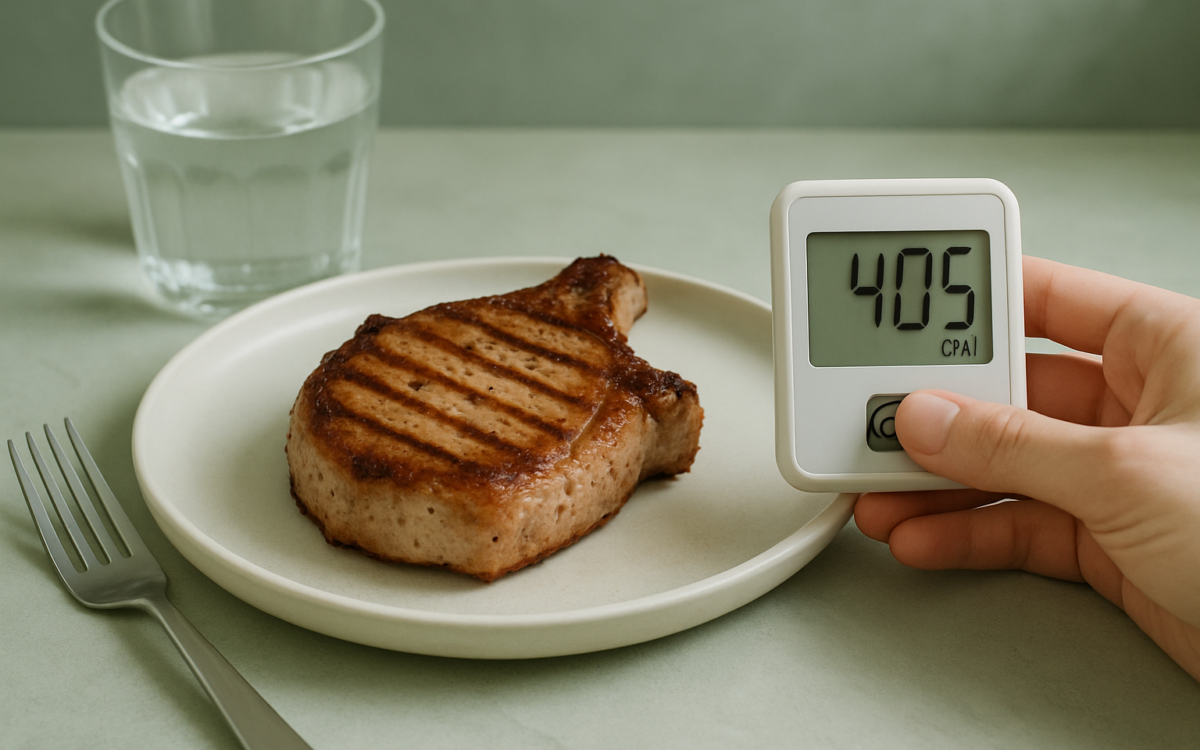
Pork chops are a popular dish that many enjoy for their flavorful and tender cuts of meat. They can be a staple for dinner tables around the world, especially in places like the United States, where grilling or frying pork chops is a common practice. But as with any food, understanding the calorie content and nutritional value is essential for maintaining a balanced diet.
Caloric Values of Pork Chops
The number of calories in a pork chop can vary significantly based on its cut, cooking method, and any additional ingredients used. Here’s a general breakdown:
- Bone-in pork chop (3 oz, cooked): Approximately 206 calories
- Boneless pork chop (3 oz, cooked): About 211 calories
- Pork chop with fat (3 oz, cooked): Can reach up to 250 calories
The calorie differences arise from variations in fat content. Choosing leaner cuts, such as loin chops, typically means fewer calories while still providing essential nutrients.
Nutritional Benefits of Pork Chops
Pork chops aren’t just about calories; they also offer several nutritional benefits:
- Protein: Pork chops are an excellent source of high-quality protein, which is vital for muscle repair and growth.
- Vitamins and Minerals: They provide essential nutrients, including B vitamins (like B6 and B12), zinc, iron, and selenium, which play crucial roles in metabolic functions.
- Healthy Fats: Depending on the cut, pork chops can have healthy monounsaturated and polyunsaturated fats that are beneficial for heart health.
In moderation, pork chops can fit well into a healthy diet, especially when prepared with minimal added fat and served with vegetables or whole grains.
Cooking Methods and Their Impact on Calories
The way you cook pork chops can influence their calorie content. While frying may increase the overall calorie count due to the addition of oil or butter, grilling or baking may preserve the meat’s natural flavors with fewer calories. Here’s a comparison of common cooking methods:
- Grilling: A low-calorie option that can enhance the flavor of pork chops without added fats.
- Baking: Healthier than frying, baking can keep the meat moist while reducing calorie intake.
- Frying (deep or pan): This method adds significant calories due to the oil, making it the least healthy option for cooking pork chops.
Choosing healthier cooking methods not only helps maintain lower calorie counts but also enhances the overall nutritional profile of the meal.
Balancing Pork Chops in Your Diet
Incorporating pork chops into your diet can be beneficial when balanced with other food groups. Here are a few tips to help you enjoy pork chops in a healthy way:
- Pair pork chops with plenty of vegetables. Roasted or steamed veggies can help add fiber and nutrients without significantly increasing calories.
- Consider whole grains as a side dish. Brown rice or quinoa can complement pork well and provide additional nutrients.
- Practice portion control. A serving size of pork chop is typically about 3-4 ounces, so make sure to avoid oversized servings to maintain calorie balance.
For individuals considering an international approach to health and nutrition, exploring treatment in Turkey could offer insights into different culinary practices and dietary habits that value moderate portions and diverse nutrients.
Debunking Myths About Pork and Dietary Health
There are various misconceptions surrounding pork consumption. Some believe that all pork is overly fatty or unhealthy. However, when selected wisely and prepared correctly, pork can be part of a balanced diet:
- Lean options exist: Cuts like loin and tenderloin are leaner and can be lower in calories.
- Pork can fit into versatile diets: Whether looking for protein sources or exploring various cuisines, pork offers rich flavors and textures.
- Moderation is key: As with any meat, balancing pork chops with a variety of foods ensures a broader and more nutritious diet.
Understanding these aspects changes the perception that pork must be avoided and instead shows how it can be enjoyed healthily.
When to See a Doctor
If you have specific dietary concerns, such as high cholesterol, heart disease, or allergies, it is crucial to consult with a healthcare professional. They can provide guidance on how to incorporate or limit pork and other meats in your diet appropriately.
Conclusion
Pork chops can be a delicious and nutritious part of your meals, offering both protein and essential nutrients. Understanding the calorie content and preparing them healthily can help you enjoy this tempting dish without straying from your dietary goals. Remember to balance them with vegetables, whole grains, and moderation for a fulfilling meal.
