
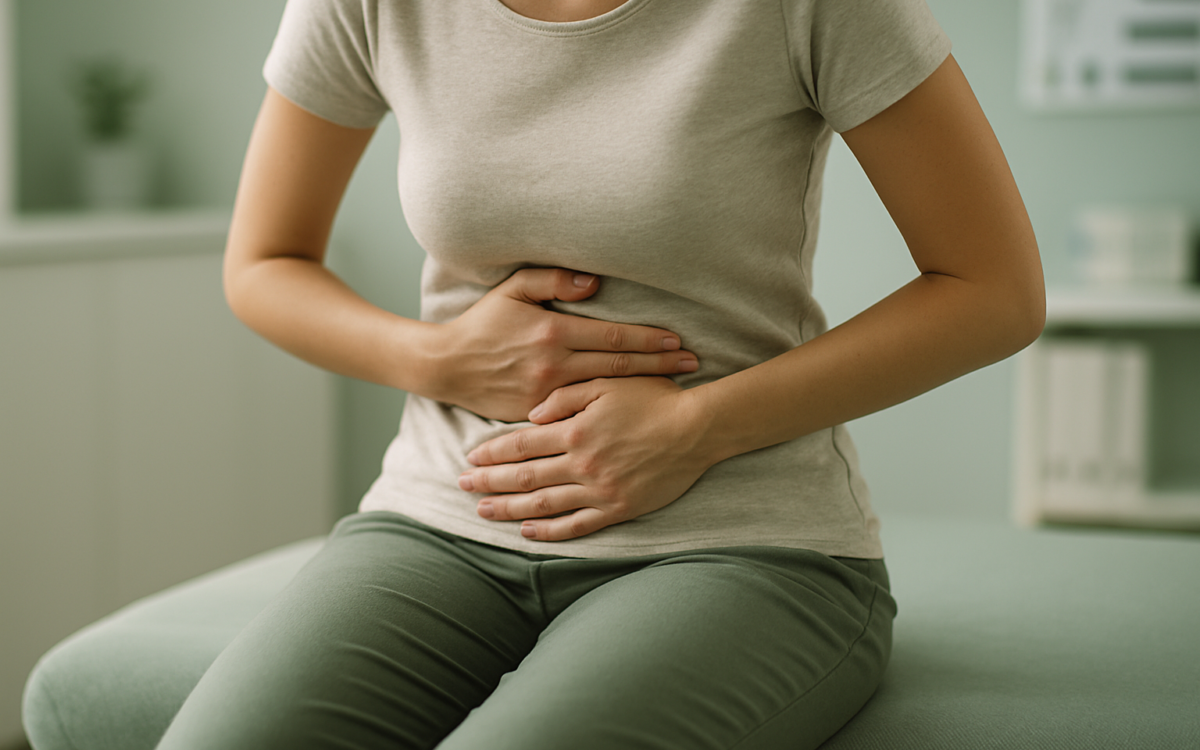
Experiencing stomach pain after a meal can be unsettling and uncomfortable. It’s a common complaint that many people encounter at some point in their lives. Understanding the potential causes behind post-meal stomach pain can help you identify whether it’s something to worry about or just a temporary discomfort.
1. Indigestion: The Overeating Dilemma
Indigestion, also known as dyspepsia, is one of the most common reasons for stomach pain after eating. It can happen when you eat too much, eat too quickly, or consume greasy or spicy foods. Symptoms can include a feeling of fullness, bloating, and nausea.
Taking your time to eat and being cautious about portion sizes can help alleviate indigestion. Keeping track of what types of foods trigger your symptoms may also prove helpful.
2. Food Intolerances or Allergies
Some individuals have intolerances or allergies to certain foods, which can result in stomach discomfort after eating. Common culprits include lactose (found in dairy) and gluten (found in wheat, barley, and rye).
Food intolerances can lead to symptoms such as bloating, gas, diarrhea, and stomach pain. If you suspect a food intolerance, consider keeping a food diary and consult with a healthcare professional who can provide guidance on testing and elimination diets.
3. Gastritis: Inflammation of the Stomach Lining
Gastritis occurs when the stomach lining becomes inflamed. This condition can lead to pain after eating, along with symptoms like nausea and vomiting. Factors that contribute to gastritis include excessive alcohol consumption, stress, and long-term use of certain medications like nonsteroidal anti-inflammatory drugs (NSAIDs).
Gastritis requires medical evaluation, as it can lead to more serious conditions if left untreated. For more information on gastritis, you can refer to resources from the NIH.
4. Acid Reflux and GERD
Acid reflux, also known as gastroesophageal reflux disease (GERD), occurs when stomach acid flows back into the esophagus. This condition can cause a burning sensation in the chest, known as heartburn, and may cause stomach discomfort after eating. Foods that are spicy, acidic, or high in fat can trigger acid reflux symptoms, so paying attention to your diet is crucial.
If you frequently experience acid reflux, it’s wise to discuss this with a healthcare provider who can suggest lifestyle changes or medications to manage your condition.
5. Peptic Ulcers: Sores in the Stomach Lining
Peptic ulcers are sores that form on the lining of the stomach or the first part of the small intestine. They can develop due to excessive use of pain relievers, infection, or increased acid production. Symptoms may include burning stomach pain that becomes worse when your stomach is empty or after eating.
Diagnosing peptic ulcers typically requires medical testing. If you suspect you might have an ulcer, seek medical attention as it could lead to serious complications.
6. Other Potential Causes
While the above conditions are some of the most common reasons for stomach pain after meals, several other factors could contribute to discomfort. Stress and anxiety can manifest as physical symptoms, including stomach pain. Additionally, certain medications or underlying health conditions might also play a role in your post-meal discomfort.
- Eating habits: Eating too fast or talking while eating.
- Smoking and alcohol consumption.
- Underlying health conditions, such as irritable bowel syndrome (IBS) or diabetes.
When to See a Doctor
While occasional stomach pain after eating can be normal, there are instances when it’s important to consult a healthcare professional. If you experience any of the following, seek medical advice:
- Severe or persistent stomach pain.
- Unexplained weight loss.
- Frequent nausea or vomiting.
- Blood in your stool or vomit.
- Difficulty swallowing or persistent heartburn.
Conclusion
Understanding why your stomach hurts after eating is the first step in addressing the issue. By paying attention to your eating habits and recognizing potential food intolerances, you can make changes that may improve your comfort. However, if you experience persistent or severe symptoms, it’s always best to consult a healthcare professional to determine the cause and appropriate treatment.
