
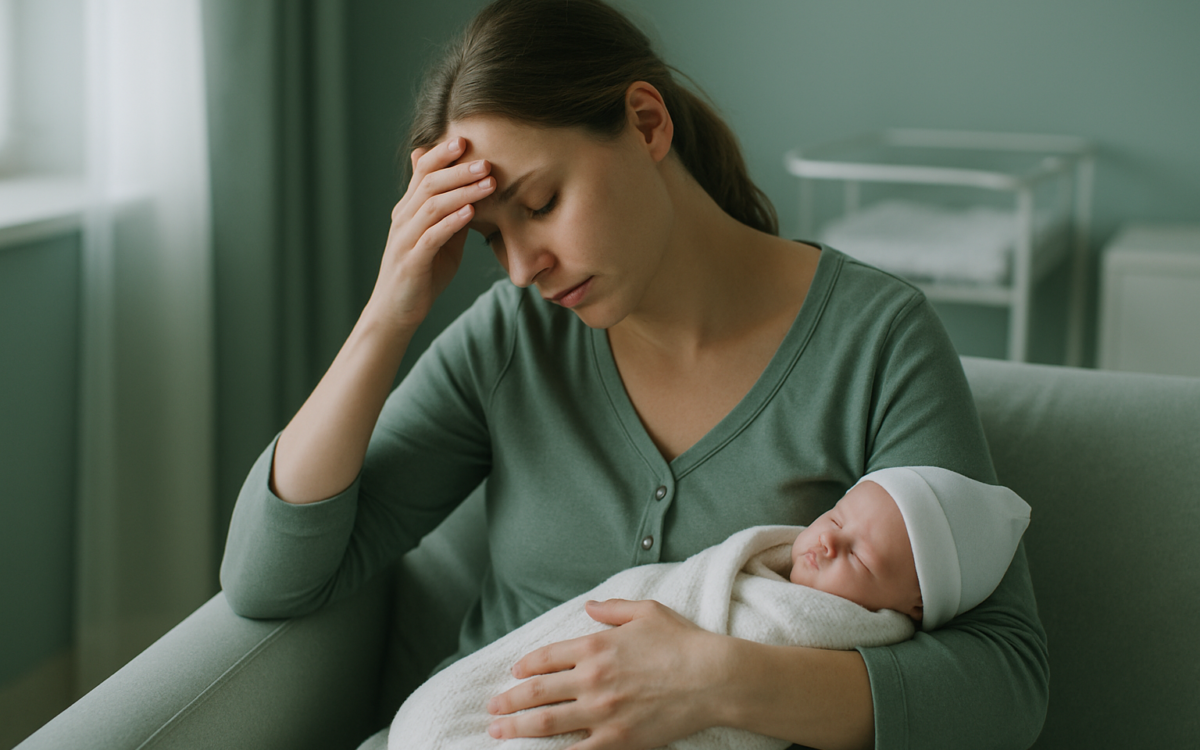
Welcoming a new baby is often depicted as a time of joy and celebration. However, for many new mothers, the experience brings a different reality. Postpartum depression (PPD) is a common condition that can overshadow the excitement of parenthood. Understanding its signs, symptoms, causes, and treatment options is essential for new mothers and their families.
What is Postpartum Depression?
Postpartum depression is a type of depression that occurs after childbirth. It can occur anytime within the first year following delivery, but symptoms typically surface within a few weeks to months after giving birth. Unlike the “baby blues,” which affects many women and usually resolves within two weeks, PPD is more severe and lasts longer. According to the National Institutes of Health, PPD affects approximately 10-20% of women after delivery.
Recognizing the Symptoms
The symptoms of postpartum depression can vary from mild to severe. While some signs may appear similar to typical mood swings that accompany pregnancy and childbirth, PPD can disrupt daily functioning. Common symptoms include:
- Persistent sadness or low mood
- Difficulty bonding with the baby
- Increased anxiety or restlessness
- Changes in appetite or sleeping patterns
- Feelings of worthlessness or inadequacy
- Thoughts of harming oneself or the baby
If you or someone you know is experiencing these symptoms, it’s crucial to recognize them as potential signs of postpartum depression rather than just typical adjustments to motherhood.
Causes and Risk Factors
The exact causes of postpartum depression are not well-understood, but several factors may contribute to its development. These can include hormonal changes following childbirth, a personal or family history of depression, and intense life changes that come with having a new baby.
Additional risk factors for PPD include:
- Having a difficult childbirth experience
- Previous mental health issues
- Lack of support from family and friends
- Major life stressors, such as moving or financial issues
Understanding these risk factors is important for both new mothers and their support systems, as it can help in identifying who might need extra care during this transition.
Finding Support and Treatment Options
The good news is that postpartum depression is treatable. If a new mother is experiencing PPD, there are various treatment options available. These might include therapy, medication, support groups, and lifestyle changes. Seeking help is vital, not only for the mother’s well-being but also for her child’s health and development.
Therapy, particularly cognitive-behavioral therapy (CBT), has shown effectiveness in treating PPD by helping mothers manage their thoughts and emotions. In some cases, medication may also be prescribed to help stabilize mood. It’s essential to consult with a healthcare provider to determine the best course of action.
In some countries, specialized international treatment options are available for postpartum depression. For instance, Acibadem International offers comprehensive maternal mental health programs aimed at supporting new mothers through challenging experiences like PPD.
The Importance of Self-Care
Taking care of oneself is crucial for new mothers. Engaging in self-care can help in coping with the demands of parenting and the emotional challenges that arise. Some helpful strategies include:
- Establishing a routine that allows for time to rest
- Seeking help with childcare and household tasks
- Connecting with other new mothers for shared support
- Engaging in regular physical activity, which is known to improve mood
- Practicing mindfulness or relaxation techniques
Self-care isn’t selfish; it can be a vital part of ensuring that both mother and baby thrive.
When to See a Doctor
If you suspect you or a loved one is experiencing postpartum depression, it’s important to seek professional help promptly. Consulting a doctor or mental health professional can lead to proper diagnosis and treatment. Look out for symptoms that persist beyond two weeks or worsen over time, as these may indicate that PPD needs immediate attention.
Conclusion
Postpartum depression may feel isolating, but many mothers face similar challenges. Understanding PPD, recognizing its symptoms, and seeking help can lead to effective treatment and recovery. Remember, addressing mental health during this vulnerable time is essential for the well-being of both the mother and her newborn.
