
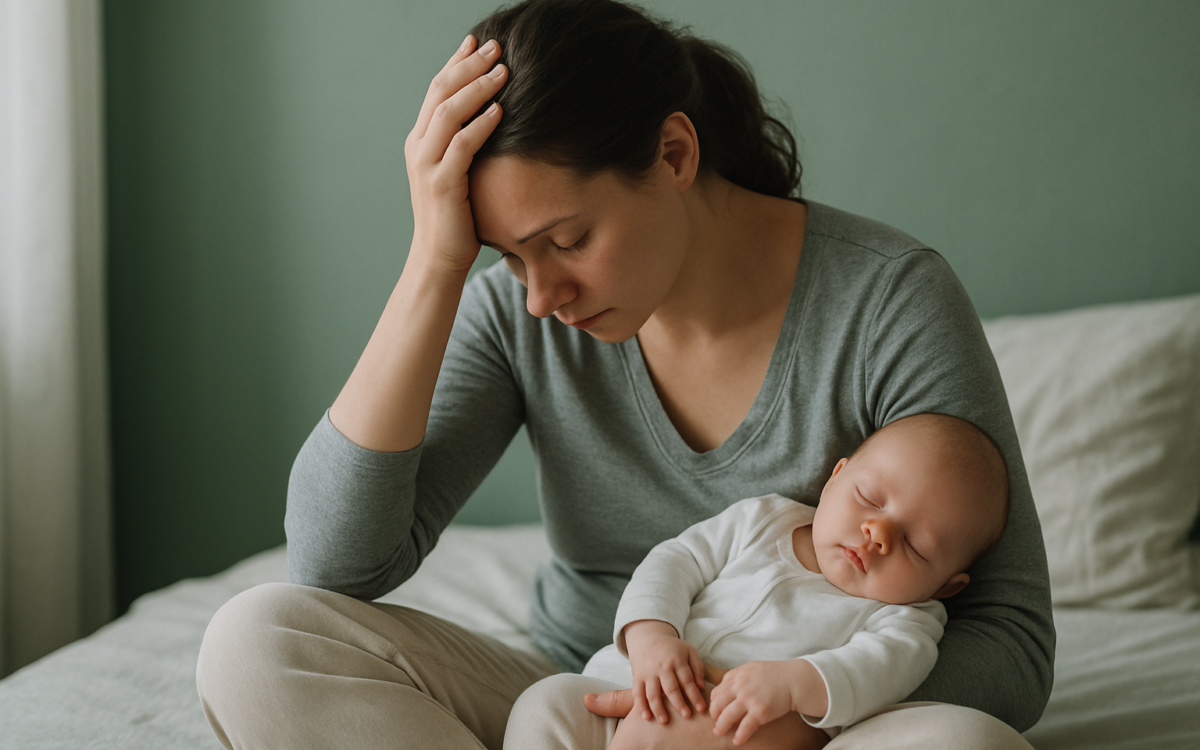
The arrival of a new baby is often portrayed as a joyful experience filled with happiness and excitement. However, for some new parents, especially mothers, this phase can be overwhelming and lead to a condition known as postpartum depression (PPD). Recognizing the symptoms of postpartum depression is essential for seeking timely support and improving emotional well-being.
What is postpartum depression?
Postpartum depression is a serious mood disorder that can occur after childbirth. It is more than just the “baby blues,” which typically last for a few days to a couple of weeks. PPD can persist for months and can significantly impact a parent’s ability to care for their child and themselves.
Common symptoms of postpartum depression
Understanding the symptoms of postpartum depression can help individuals recognize when they or their partners may need help. Symptoms can vary widely in severity and may include:
- Persistent sadness: Feeling sad, hopeless, or empty for an extended period.
- Loss of interest: Losing interest in activities that were once enjoyable, including spending time with the baby.
- Fatigue and sleep issues: Extreme tiredness and trouble sleeping, even when the baby is resting.
- Changes in appetite: Eating too much or too little, leading to significant weight changes.
- Feelings of guilt or worthlessness: Experiencing feelings of inadequacy as a parent or feeling guilty about not being happy.
- Anxiety: Intense worry about the baby’s health or safety, which may lead to panic attacks.
- Difficulty concentrating: Struggling to focus on tasks or make decisions.
- Thoughts of self-harm: In severe cases, thoughts of hurting oneself or thoughts of harming the baby can occur.
How postpartum depression differs from the baby blues
It’s essential to distinguish between postpartum depression and the common “baby blues.” The baby blues affect up to 80% of new mothers and usually resolve within two weeks. Symptoms are milder and include mood swings, irritability, and feelings of sadness. In contrast, postpartum depression is more severe, lasts longer, and involves additional distressing symptoms. Understanding this difference can help families seek appropriate support.
Risk factors for developing postpartum depression
While postpartum depression can affect anyone, certain risk factors may increase the likelihood of developing this condition:
- Previous mental health issues: A history of depression, anxiety, or other mental health disorders can increase risk.
- Lack of support: Limited emotional or practical support from family and friends can exacerbate feelings of isolation.
- Stressful life events: Recent major changes or challenges, including job loss or relationship issues, can contribute to the onset of PPD.
- Complications during pregnancy or childbirth: Physical complications, including preterm birth or cesarean delivery, can heighten anxiety and affect mental health.
Impact of postpartum depression
The effects of postpartum depression extend beyond the individual who is suffering. It can have significant consequences for the entire family, impacting relationships and the overall environment in which a child is raised. Children of parents with untreated postpartum depression may experience developmental issues, bonding challenges, and higher risks of emotional difficulties later in life.
Seeking help and treatment options
If you suspect you or someone you know might be experiencing postpartum depression, it’s essential to seek help. Treatment options may include:
- Therapy: Talking therapies, like cognitive-behavioral therapy (CBT), can be effective in managing symptoms.
- Medication: Antidepressant medications may be prescribed to help alleviate symptoms, especially for those with moderate to severe depression.
- Support groups: Connecting with others who have experienced similar challenges can provide comfort and understanding.
Open communication with healthcare providers is crucial to finding the right treatment for postpartum depression. Partners and family members play a vital role in supporting those affected.
When to see a doctor
If you notice persistent symptoms of sadness, anxiety, or feelings of hopelessness after childbirth, it’s important to consult a healthcare provider. Additionally, immediate help is necessary if there are thoughts of self-harm or harming the baby. Early intervention can lead to a better outcome and promote a healthier family environment.
Conclusion
Postpartum depression is a serious condition that many new parents may face. Understanding its symptoms and recognizing the need for help is the first step toward recovery. With proper support, treatment, and open communication, individuals can navigate this challenging time and find joy in their new role as parents. For more information on postpartum depression, consult resources from the NIH or the WHO, which offer valuable insights and data on maternal mental health.
